
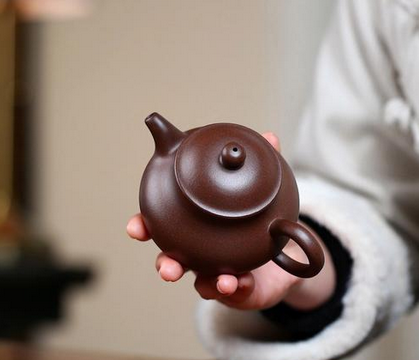

Yixing teapots, crafted from the unique purple clay (zisha) of Huanglongshan in Yixing, China, are revered worldwide for their exceptional tea-brewing properties and artistic value. However, the market is flooded with low-quality imitations, making it challenging for tea lovers and collectors to distinguish top-quality Yixing teapots from inferior ones. If you’re asking, “How to identify top quality Yixing teapot?”, this expert guide will break down the key鉴别 (identification) criteria, practical tips, and common pitfalls to avoid, helping you make informed decisions and invest in genuine, high-quality pieces.
A top-quality Yixing teapot isn’t just a functional utensil—it’s a fusion of premium clay, exquisite craftsmanship, and cultural heritage. The identification process requires attention to detail, from the texture of the clay to the precision of the craftsmanship. Below, we’ll explore the 5 core dimensions to evaluate when identifying a top-quality Yixing teapot.
1. Evaluate the Clay Quality: The Foundation of a Premium Yixing Teapot
Clay is the soul of a Yixing teapot, and top-quality pieces always use genuine, high-grade Yixing purple clay from Huanglongshan. Here’s how to identify superior clay:
First, observe the color. Authentic high-quality purple clay has a natural, muted hue—ranging from deep purple to reddish-brown, depending on the clay type (e.g., zisha, duanni, zhuni). Avoid teapots with overly bright, uniform colors, as these are likely dyed with chemicals to mimic genuine clay. For example, original ore tianqing clay has a subtle blue-gray tint, while high-grade duanni (segment clay) shows a warm yellowish-brown with natural particle spots.
Second, feel the texture. Run your fingers along the teapot’s surface—top-quality clay has a fine, gritty texture that feels smooth yet not slippery. You can faintly feel the natural mineral particles, which is a result of the clay’s high purity and traditional processing. Fake clay, on the other hand, is often overly smooth (due to added glass powder) or rough (due to low-quality raw materials).
Third, check the “breathability” test. A genuine Yixing teapot made of high-quality clay is breathable—if you pour hot water over the pot and cover the lid and spout with your hands, you’ll feel a slight suction force. This breathability is what allows the teapot to absorb tea flavors and develop a rich patina over time. Inferior or fake teapots lack this property, as their clay is either non-Yixing or overly processed.
2. Inspect the Craftsmanship: The Mark of Excellence
Exquisite craftsmanship is another hallmark of a top-quality Yixing teapot. Even with premium clay, poor craftsmanship will diminish its value. Focus on these key details when inspecting craftsmanship:
Lid fit is crucial. A top-quality teapot’s lid should fit snugly—when you place the lid on the pot and lift it by the knob, the lid shouldn’t fall off, even if you invert the pot slightly. There should be no gaps between the lid and the pot body, ensuring that steam doesn’t escape excessively during brewing. Additionally, the lid’s edge should be smooth and even, with no burrs or unevenness.
Proportions and balance are also important. The spout, handle, and knob should be perfectly aligned and balanced. When you hold the teapot by the handle, it should feel comfortable and not tip to one side. The spout should be straight and smooth, with no blockages—when pouring water, the water flow should be steady and even, without dripping.
Internal finishing is a telltale sign of quality. Top-quality Yixing teapots have clean, smooth interiors with no rough edges, excess clay, or machine marks. Fully handmade teapots will have faint manual beating marks inside, which is a sign of traditional craftsmanship. Avoid teapots with uneven internal surfaces or visible mold lines, as these indicate mass production or shoddy craftsmanship.
3. Check the Artist’s Background: A Symbol of Expertise
Top-quality Yixing teapots are often crafted by skilled artisans with professional certifications and a good reputation. While a high artist title doesn’t guarantee quality, it’s a valuable reference. Here’s how to evaluate the artist’s background:
Look for the artist’s signature or seal on the bottom of the teapot or inside the lid. Reputable artisans will clearly mark their works. You can verify the artist’s credentials by checking official ceramic association websites or authoritative Yixing clay art publications. National-level masters, senior craftsmen, and emerging talented artisans are more likely to produce top-quality pieces.
However, don’t rely solely on the artist’s title. Some lesser-known artisans may also create exceptional teapots with meticulous craftsmanship. Always prioritize the actual quality of the teapot over the artist’s name—“a good pot speaks for itself.”
4. Assess the Patina Potential: A Sign of Long-Term Value
Top-quality Yixing teapots develop a beautiful patina over time with regular use. The patina is a natural luster that forms as the teapot absorbs tea oils, enhancing its aesthetic value and tea-brewing performance. Here’s how to assess patina potential:
Genuine high-quality clay has excellent patina-developing properties. After just a few uses, you’ll notice a subtle change in the teapot’s color—it will become more温润 and glossy. Fake teapots, made of non-Yixing clay or dyed materials, either won’t develop a patina at all or will develop an uneven, unnatural shine.
To test this (if allowed by the seller), you can brew a pot of strong tea and let it sit for 30 minutes. Rinse the teapot with warm water and dry it—top-quality clay will absorb some of the tea’s color and aroma, while fake clay will remain unchanged or leave a residue.
5. Verify Authenticity: Avoid Counterfeits and Fakes
With the popularity of Yixing teapots, counterfeits are rampant. Here are some key tips to verify authenticity and avoid scams:
First, buy from reputable sources. Choose trusted sellers like Jianghu Teapot, which offers genuine Yixing teapots with clear clay origin certificates, artist information, and quality guarantees. Avoid buying from unknown online sellers or street vendors who offer “too-good-to-be-true” prices.
Second, be wary of exaggerated claims. If a teapot is labeled “100% original ore ancient clay” or “national master work” at an extremely low price (under $100), it’s almost certainly a fake. Top-quality Yixing teapots require high-quality materials and time-consuming craftsmanship, so they won’t come cheap.
Third, ask for documentation. Reputable sellers should be able to provide clay origin certificates, artist resumes, and inspection reports (if applicable). These documents help verify the teapot’s authenticity and quality.
Practical Step-by-Step Guide to Identifying Top Quality Yixing Teapot
Now that you know the core criteria, here’s a step-by-step process to apply when inspecting a Yixing teapot:
1. Observe the appearance: Check the color, texture, and overall shape. Ensure the color is natural, the texture is fine and gritty, and the proportions are balanced.
2. Test the lid fit: Place the lid on the pot and lift it by the knob. Check if it fits snugly and doesn’t fall off when inverted slightly.
3. Inspect the spout and handle: Check if the spout is straight, the water flow is steady, and the handle is comfortable to hold.
4. Examine the interior: Look for clean, smooth finishing with no rough edges or machine marks.
5. Verify the artist and clay: Check the signature/seal and ask for documentation to confirm the artist’s background and clay origin.
6. Test breathability (if possible): Pour hot water over the pot and cover the lid and spout—feel for slight suction.
Common Mistakes to Avoid When Identifying Yixing Teapots
Many beginners make mistakes when identifying Yixing teapots, leading to poor purchases. Here are the most common pitfalls to avoid:
Mistake 1: Judging by color alone. Bright, uniform colors don’t mean high quality—genuine clay has natural variations. Avoid teapots with overly vivid colors that look artificial.
Mistake 2: Ignoring internal finishing. Many people focus only on the exterior, but poor internal finishing indicates shoddy craftsmanship. Always check the interior of the teapot.
Mistake 3: Over-reliance on artist titles. A high title doesn’t always mean a good pot. Some lesser-known artisans produce better-quality teapots than famous ones with inflated reputations.
Mistake 4: Buying based on price alone. While top-quality Yixing teapots are expensive, a high price doesn’t guarantee authenticity. Some sellers overcharge for fake or low-quality teapots.
Conclusion: Mastering Identification for Genuine Quality
Learning how to identify top quality Yixing teapot takes time and practice, but by focusing on clay quality, craftsmanship, artist background, patina potential, and authenticity verification, you can significantly improve your ability to distinguish premium pieces from inferior ones. Remember, a top-quality Yixing teapot is an investment—its value grows with time as it develops a rich patina and becomes a cherished part of your tea ritual.
If you’re looking for genuine, top-quality Yixing teapots with transparent information and reliable quality, explore Jianghu Teapot’s collection. All our teapots are handmade from original ore Yixing clay, crafted by skilled artisans, and directly shipped from Yixing, China. With our detailed product descriptions and quality guarantees, you can buy with confidence and enjoy the unique charm of authentic Yixing teapots.