


For tea lovers, the Yixing Zisha teapot is an absolute favorite. Its unique dual porous structure enhances the richness of the tea liquor, and the more you use and care for it, the more character and luster it develops. But when you get a brand-new teapot, many people wonder: Do I really need to “break it in”? And how should I do it properly? Today, we’ll talk about how to break in and maintain a Yixing Zisha teapot, share some knowledge about clay types, and offer practical tips for teapot enthusiasts.
1. Breaking In a New Teapot: Not a Mystery, Just a Practical Step
Many people hear about “breaking in” and think of complicated online methods involving boiling tofu, tea leaves, and other unnecessary ingredients. In reality, the process is much simpler. The core goals of breaking in are cleaning and activating the teapot. Here’s a straightforward, effective method I’ve found and highly recommend:
1. Clean and Remove Impurities
During firing, handling, and shipping, new teapots often retain small amounts of kiln dust, clay particles, or quartz sand. The first step is to thoroughly rinse the body, lid, and interior with clean water to remove all residues. This ensures your future brewing won’t be affected by unwanted particles or odors.
2. Activate the Porous Structure
This step fully opens the dual porous structure that makes Zisha special. Start by pouring hot water over the exterior to preheat the teapot and prevent cracking from sudden temperature changes. Then fill the teapot completely with 100°C boiling water, let it sit for about one minute, then pour the water out.
Rinse the teapot again with clean water. The slight temperature contrast helps further open the pores. Repeat the process of warming, filling with boiling water, and rinsing two or three times. By then, the teapot’s natural “breathability” is fully activated.
3. Initial Seasoning Experience
Once activated, use your daily drinking tea to brew the teapot two or three times — though you won’t drink these infusions. Let the tea leaves steep inside the teapot for about two hours so the clay can absorb the tea’s aroma. After this, your teapot is ready for regular use. You’ll notice the surface becomes noticeably smoother and more lustrous after this step.
2. Zisha Clay Types: Choose the Right Clay for Better Tea
The clay is the soul of a Zisha teapot. Different clays bring out different flavors in tea, so choosing wisely greatly improves your experience.
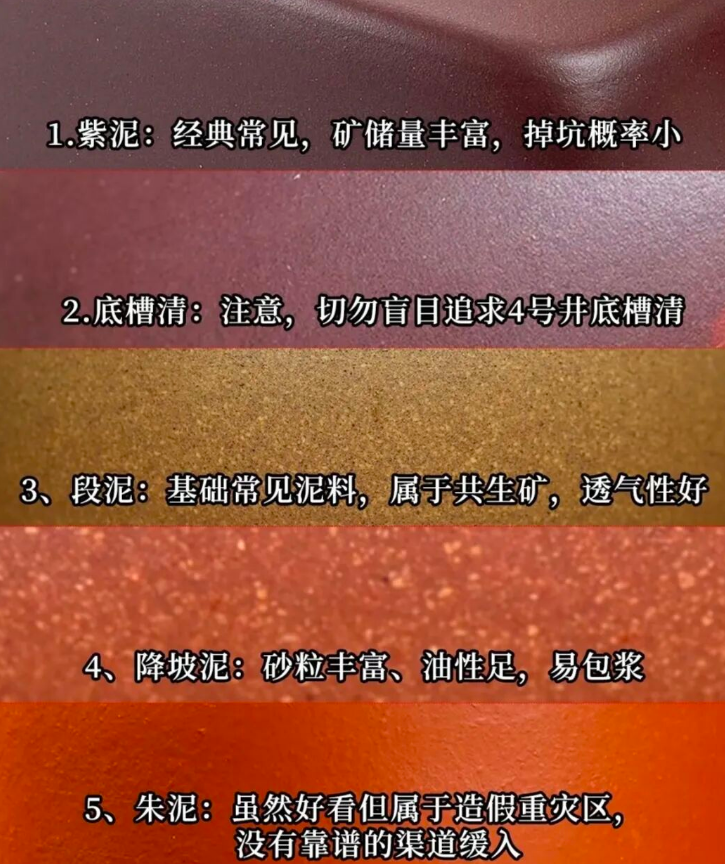
1. Purple Clay (Zini)
One of the most common and versatile types, Purple Clay offers excellent permeability and stable performance. It produces rich, full-bodied tea and works especially well for bold teas such as Pu-erh and aged white tea.
2. Di Cao Qing
A premium original ore Purple Clay from Huanglong Mountain, mined from deep mineral veins with scattered Duan Ni particles. It has a warm texture, excellent plasticity, and fires to a deep purple-brown color. Highly breathable and water-absorbent, it develops a beautiful patina quickly and suits Pu-erh, oolong, and black tea.
3. Zhuni (Red Clay)
Zhuni has a fine, dense texture and bright reddish color. Its permeability is slightly lower than Purple Clay, making it ideal for highlighting delicate, bright aromas. It pairs beautifully with green tea and high-fragrance oolong.
4. Duan Ni (Section Clay)
Typically yellowish or light beige, Duan Ni is highly breathable and preserves the original character of the tea. It is perfect for green tea and scented teas.
5. Jiang Po Ni (Downslope Clay)
A rare natural mixed ore found between Huanglong Mountain and Qinglong Mountain during road construction. It has a strong sandy texture, great breathability, and fires to an orange-red color with tiny colorful grains. It develops patina quickly and suits oolong and ripe Pu-erh.
3. Tips for Teapot Lovers: Patience Makes Perfect
Enjoying and nurturing a Zisha teapot is one of life’s quiet pleasures — and it requires patience, not haste.
1. One Teapot, One Type of Tea
It’s best to dedicate each teapot to a specific type of tea: one for Pu-erh, another for oolong, and so on. This way, the teapot absorbs only one consistent flavor, resulting in a purer, more refined character over time. It also gives collectors a lovely reason to enjoy multiple teapots.
2. Daily Care
After each use, remove all tea leaves, rinse thoroughly with hot water, and let the teapot air dry completely. Never leave wet tea leaves inside for too long, as this creates unpleasant odors and damages the clay’s natural texture.
3. Enjoy the Process
Seasoning a Zisha teapot is like aging fine wine — it takes time. Use it daily, and watch it gradually transform from a dry, matte surface to a smooth, glowing, living piece of art. The joy comes not only from better-tasting tea but also from the quiet, daily connection with your teapot.
From breaking in to long-term care, every step is a conversation between you and your teapot. I hope these tips help you avoid mistakes and fully enjoy the timeless pleasure of Yixing Zisha tea ware.