
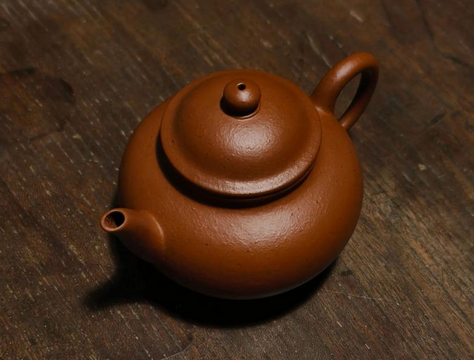

Teapots are more than just vessels for brewing tea—they can be hidden treasures with significant collectible value. Whether you’ve inherited a family heirloom, picked one up at an antique fair, or simply curious about a teapot in your collection, the question “How do I know if my teapot is valuable?” is likely top of mind. Valuating a teapot isn’t a guesswork; it relies on a systematic assessment of key factors like craftsmanship, material, age, maker, condition, and rarity. This comprehensive guide will walk you through everything you need to know to accurately judge your teapot’s worth, whether you’re a casual tea lover or an aspiring collector.
The value of teapots spans a vast spectrum—from mass-produced daily-use teapots worth under $50 to rare antique or mastercrafted pieces that fetch six or seven figures at auction. Understanding the difference between a common teapot and a valuable one requires attention to detail and knowledge of what drives value in the market. Let’s dive into the core factors that determine a teapot’s value.
1. Craftsmanship: The Backbone of Teapot Value
Craftsmanship is the single most important factor in determining a teapot’s value. Exquisite, hand-executed work will always command a premium over mass-produced or poorly made pieces. Here’s how to evaluate it:
First, identify the production method. Handmade teapots are far more valuable than machine-made or mold-cast alternatives. Handmade pieces often feature subtle irregularities—like slight variations in shape, faint tool marks, or uneven edges—that reveal the artisan’s touch. For example, high-quality Yixing teapots are typically fully handmade, with visible manual beating marks inside the pot that machines can’t replicate. Machine-made teapots, by contrast, have uniform, perfect lines and no unique, handcrafted details.
Second, assess the fit and finish. A well-crafted teapot will have a lid that fits snugly—when you place the lid on and lift it by the knob, it shouldn’t fall off, even if you invert the pot gently. The spout, handle, and knob should be perfectly balanced and aligned; when you hold the teapot by the handle, it should feel comfortable and not tip to one side. The spout should pour smoothly without dripping, and the interior should be clean and free of excess clay or rough edges.
Third, examine decorative details. Intricate decorations like hand-carving, hand-painting, or inlay can significantly boost value—if done well. Look for crisp lines, consistent coloring, and attention to detail in decorative elements. For instance, a teapot with a hand-carved floral motif (where each petal is distinct and well-defined) is more valuable than one with a stenciled or poorly executed design.
2. Material: The Foundation of Quality
The material a teapot is made from directly impacts its value, as rare or high-performance materials are inherently more desirable. Different types of teapots have different premium materials:
For Yixing teapots, the gold standard is genuine purple clay (zisha) from Huanglongshan in Yixing, China. Rare varieties like Tianqing clay, Di Cao Qing (bottom trough green clay), or aged Longshan clay are particularly valuable due to their scarcity and unique properties—like excellent breathability, which allows the teapot to absorb tea flavors and develop a rich patina over time. Fake Yixing teapots, made from ordinary clay dyed to look like purple clay, lack these properties and are worth very little.
For porcelain teapots, high-quality kaolin clay (the primary ingredient in fine porcelain) with a smooth, flawless glaze is prized. Porcelain from renowned regions like Jingdezhen (China) or Meissen (Germany) also carries a premium. Jade, silver, or copper teapots are even more valuable due to the rarity and cost of the materials themselves—though their craftsmanship still plays a critical role.
3. Age: Not Just Old, But Historic and Well-Preserved
Age alone doesn’t make a teapot valuable—many old teapots are mass-produced or poorly preserved, with little to no collectible worth. However, well-preserved antique teapots that represent the craftsmanship of their era can be extremely valuable.
To judge age, look for stylistic clues and marks. Different time periods have distinct design trends: for example, 18th-century European teapots often feature elaborate rococo decorations, while Qing Dynasty Chinese teapots may have minimalist shapes or imperial motifs. The marks on the bottom of the teapot (maker’s signatures, workshop seals, or country of origin stamps) are also key—you can cross-reference these with antique reference books or online databases to date the piece.
Remember: condition is crucial for antique teapots. A 200-year-old teapot with cracks, chips, or repairs will be worth a fraction of a similar teapot in mint condition. Even minor damage can significantly reduce the value of an antique piece.
4. Maker/Artist: The Premium of Reputation
Teapots made by renowned artisans or famous manufacturers command a substantial premium. The “maker’s mark” is one of the most reliable indicators of value in the collectible teapot market.
For example, in the world of Yixing teapots, works by national-level masters like Gu Jingzhou or Jiang Rong are highly sought after, with prices often exceeding $100,000. In European teapots, names like Wedgwood, Meissen, or Royal Doulton are synonymous with quality and value. Even emerging artisans with a growing reputation can produce valuable teapots if their work is exceptional.
To verify a maker’s value, research their background: check if they have professional titles, awards, or exhibitions to their name. Authoritative sources like ceramic association websites, artist biographies, or auction catalogs can help confirm the maker’s status and market value.
5. Condition: The Make-or-Break Factor
A teapot’s condition is often the deciding factor in its value. Even a teapot with excellent craftsmanship, rare materials, and a famous maker will lose most of its value if it’s damaged. Here’s what to look for:
• Cracks or chips: Any structural damage, like a cracked body or chipped spout, is a major red flag. Even small cracks can reduce value by 50% or more.
• Repairs: Repaired teapots are worth far less than intact ones. Look for signs of repair, like mismatched glaze, glue residue, or uneven surfaces where pieces were reattached.
• Stains or deterioration: Heavy stains, rust (for metal teapots), or faded decorations can also lower value. Well-maintained teapots should have a clean, natural appearance.
Mint condition (like new, no damage or wear) is the most desirable, followed by “excellent condition” (minor wear, no damage). Any damage beyond minor wear will significantly devalue the teapot.
6. Rarity and Cultural Significance
Rare teapots—whether due to limited production, unique design, or historical significance—are more valuable. Examples include limited-edition pieces, teapots made for royal families, or those that reflect a specific cultural movement or historical event.
Cultural significance also adds value. For instance, teapots with motifs that symbolize important cultural values (like bamboo for integrity in Chinese culture, or acorns for prosperity in European culture) are more desirable to collectors. Teapots that played a role in historical events or were owned by notable figures are even more rare and valuable.
Step-by-Step Guide to Valuating Your Teapot
Now that you understand the key factors, follow these steps to valuate your teapot:
1. Document the teapot: Take clear photos of the front, back, bottom (including any marks), and interior. Note details like size, material, color, decorations, and condition.
2. Assess craftsmanship and material: Determine if it’s handmade or machine-made; evaluate the fit, finish, and decorations; and identify the material (e.g., genuine Yixing clay, fine porcelain).
3. Research the maker and age: Use the marks on the bottom to research the maker and date the teapot. Cross-reference with reference books, online databases, or expert resources.
4. Compare to market prices: Search auction websites (e.g., eBay, Sotheby’s), e-commerce platforms, or antique market listings for similar teapots (same maker, material, age, condition). Note the selling prices (not just asking prices) to get a realistic idea of value.
5. Consult an expert: If you suspect your teapot is valuable (e.g., antique, made by a famous artist), consult a professional appraiser. Museums, antique associations, or specialized teapot dealers can provide accurate valuations based on hands-on inspection.
Common Mistakes to Avoid When Valuating Teapots
Many people make errors when judging teapot value—here are the most common ones to avoid:
• Assuming “old = valuable”: Age alone doesn’t guarantee value. A poorly made, mass-produced 100-year-old teapot is still worth very little.
• Overlooking craftsmanship for appearance: A teapot with a pretty design but shoddy craftsmanship (e.g., loose lid, dripping spout) is not valuable, no matter how attractive it is.
• Believing fake marks: Counterfeit maker’s marks are common. Always verify the mark’s authenticity before assuming it adds value.
• Underestimating condition: Even minor damage can drastically reduce value. Don’t ignore small cracks or chips when valuating.
Conclusion: Value Lies in Balance
Answering “How do I know if my teapot is valuable?” requires balancing multiple factors: craftsmanship, material, age, maker, condition, and rarity. There’s no single “magic” indicator—instead, you need to evaluate the teapot holistically. A valuable teapot typically excels in several of these areas: for example, a handmade Yixing teapot by a renowned artist, made from rare clay, in mint condition.
If you’re looking to add valuable teapots to your collection, choose reputable sellers like Jianghu Teapot, which offers genuine, handcrafted teapots made from premium materials (like original ore Yixing clay) with transparent maker and material information. All teapots are directly shipped from China, ensuring authenticity and quality. Whether you’re valuating an existing piece or starting a new collection, the knowledge in this guide will help you make informed, confident decisions.