
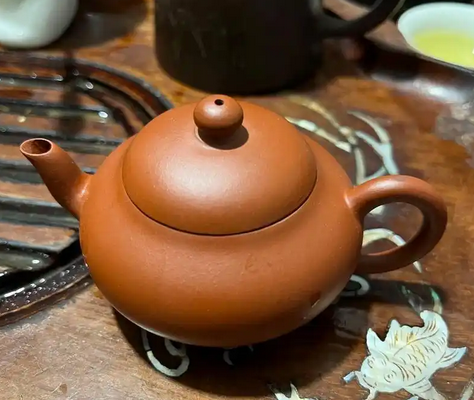

For tea enthusiasts and collectors worldwide, Yixing teapots—crafted from the unique purple clay (zisha) of Huanglongshan in Jiangsu, China—are a topic of endless discussion. One question consistently takes center stage: “Are Yixing teapots worth it?” With prices ranging from $50 for entry-level models to millions of dollars for masterpieces at auction, the answer isn’t a simple yes or no. It depends on your priorities: Are you seeking a superior tea-brewing experience, a handcrafted work of art, or a long-term investment? This guide breaks down the core value propositions of Yixing teapots, helps you assess if they align with your needs, and navigates the market to ensure you get value for your money.
Yixing teapots aren’t just ordinary tea vessels. With a history dating back to the 15th century, they’ve evolved from practical utensils to cultural icons, cherished for their unique clay properties, exquisite craftsmanship, and deep cultural heritage. To determine if they’re worth the investment, let’s explore their three key value pillars: practical tea-brewing benefits, artistic and cultural value, and investment potential.
1. Practical Value: Elevating the Tea-Brewing Experience
The primary reason many tea lovers swear by Yixing teapots is their unparalleled ability to enhance tea flavor—a benefit rooted in the unique properties of genuine Yixing purple clay. Unlike porcelain or ceramic teapots, Yixing clay has a dual-pore structure that is both breathable and heat-retentive. This means it absorbs trace amounts of tea oils and minerals with each brew, gradually developing a “seasoned” layer inside the pot. Over time, this layer enriches the aroma and depth of subsequent brews, creating a personalized tea experience that no other teapot can replicate.
Genuine Yixing teapots are also tailored to specific tea types. For example, purple clay (zini) excels with ripe pu-erh and dark oolongs, while red clay (zhu ni) enhances the aroma of light-roast oolongs and young raw pu-erh. Their excellent heat retention ensures optimal brewing temperatures, which is critical for unlocking the full flavor of tea leaves. Unlike glazed teapots that can dilute or alter tea taste, unglazed Yixing clay preserves the tea’s natural character—a feature that serious tea connoisseurs find invaluable.
But does this practical value justify the price? For casual tea drinkers, a $50–$100 entry-level Yixing teapot (made from genuine mid-grade clay) can already deliver these flavor-enhancing benefits. Many tea enthusiasts on forums like TeaChat report that even affordable genuine Yixing pots outperform glazed ceramic or stoneware teapots in brewing depth and aroma retention. However, it’s crucial to avoid cheap knockoffs (often under $20) made from dyed ordinary clay—these lack the dual-pore structure and may even leach harmful chemicals, negating any practical benefit.
2. Artistic & Cultural Value: Handcrafted Works of Heritage
Yixing teapots are more than functional—they’re handcrafted works of art that embody centuries of Chinese craftsmanship and cultural aesthetics. Genuine high-quality Yixing teapots are made using traditional techniques: artisans manually beat and shape the clay (a process known as “full hand-making”), which can take 8–12 hours for a basic design and 3–5 days for intricate pieces. This labor-intensive process ensures each pot has unique details—subtle variations in shape, faint tool marks, or delicate decorative carvings—that machine-made teapots cannot replicate.
The cultural value of Yixing teapots adds another layer of worth. They are deeply tied to Chinese literati culture, with designs often featuring motifs like bamboo (symbolizing integrity), plum blossoms (representing perseverance), or calligraphic inscriptions. Master potters like Gu Jingzhou or Jiang Rong elevate this further by integrating poetry, painting, and seal carving into their work, turning teapots into “moving art” that tells stories of Chinese philosophy and aesthetics. Even mid-range teapots from skilled artisans carry this cultural resonance, making them meaningful additions to any tea collection beyond their practical use.
For those who appreciate handmade craftsmanship and cultural heritage, the artistic value of Yixing teapots justifies the price. A $500–$3,000 handcrafted pot from a certified artisan isn’t just a tea vessel—it’s a piece of living history that connects you to a 500-year-old craft tradition. This is a key distinction from mass-produced teapots, which lack the soul and cultural depth of genuine Yixing works.
3. Investment Value: Rare Pieces as “Clay Gold”
For serious collectors, Yixing teapots are more than tea tools or art—they’re alternative investments with a proven track record of appreciation. The most valuable pieces (made from rare clay, crafted by master artists, and in mint condition) have become “hard currency” in the art market, with prices consistently rising over time. For example, a Gu Jingzhou “Squirrel Grape Ten-Piece Set” sold for $1.4 million at auction in 2015, while a Qing Dynasty Chen Mingyuan teapot fetched over $480,000 in 2016. Even works by contemporary national-level masters regularly sell for six figures.
The investment value of Yixing teapots stems from two core scarcities: rare clay and master craftsmanship. Top-grade Yixing clay (such as Tianqing clay and Di Cao Qing) is only mined in a small area of Huanglongshan and is nearly depleted due to centuries of extraction and government protective bans. This makes genuine high-grade clay rarer than gold. Additionally, master potters produce only a handful of pieces each year, and their works become even scarcer after their passing—driving up prices in the secondary market.
However, not all Yixing teapots are good investments. Entry-level and mid-range pots (under $3,000) typically hold their value but don’t appreciate significantly. To have investment potential, a teapot must meet strict criteria: genuine rare clay, full hand-making by a renowned artist (with official titles or awards), perfect condition, and clear provenance (collection history). For most people, Yixing teapots are better valued as functional art than speculative investments.
Who Should (and Shouldn’t) Buy a Yixing Teapot?
Now that we’ve broken down the value, let’s clarify who will find Yixing teapots worth it—and who might not:
• Worth it for: Tea enthusiasts who prioritize flavor and brewing ritual; collectors of handmade art and cultural artifacts; long-term investors with knowledge of the Yixing market and budget for high-grade pieces. If you regularly brew oolong, pu-erh, or black tea and want to elevate your experience, a mid-range genuine Yixing teapot is a worthwhile investment.
• Not worth it for: Casual tea drinkers who switch between many tea types (Yixing teapots should be dedicated to one tea to avoid flavor mixing); those on a tight budget who can’t afford genuine clay (cheap knockoffs offer no value); investors seeking quick profits (Yixing appreciation takes years, if not decades).
How to Ensure You Get Value for Your Money
If you decide a Yixing teapot is worth it, follow these tips to avoid scams and get the best value:
1. Focus on clay authenticity first: Genuine Yixing clay has a natural, muted color and a fine, gritty texture (not overly smooth or bright). Avoid pots with uniform, vivid colors—these are likely dyed. Ask sellers for clay origin certificates if possible.
2. Prioritize craftsmanship over title: A well-made pot by an unknown artisan is better than a shoddy one by a famous artist. Check for a snug-fitting lid, balanced proportions, and smooth internal finishing (no rough edges or mold lines).
3. Match your budget to your needs: For daily use, a $100–$500 semi-handmade or basic full-handmade pot is sufficient. For collection, allocate $3,000+ for works by certified artisans. Avoid “too-good-to-be-true” deals (e.g., “masterwork” for $200)—they’re almost always fakes.
4. Buy from reputable sellers: Choose sellers with transparent information about clay, artist, and craftsmanship. Reputable brands like Jianghu Teapot offer genuine Yixing teapots with direct shipping from China, quality guarantees, and detailed product descriptions—reducing the risk of scams.
Common Myths About Yixing Teapot Value
To make an informed decision, it’s important to debunk common myths:
• Myth 1: “All Yixing teapots are expensive.” Reality: Genuine entry-level pots start at $50–$100, making them accessible to most tea lovers.
• Myth 2: “Older pots are always more valuable.” Reality: Age alone doesn’t guarantee value—only well-preserved, historically significant old pots (with clear provenance) are valuable. Many old mass-produced pots are worth very little.
• Myth 3: “You need a master pot to get flavor benefits.” Reality: Even mid-grade genuine Yixing clay delivers the signature flavor-enhancing and seasoning effects.
Conclusion: Value Lies in Alignment with Your Goals
So, are Yixing teapots worth it? For the right person—someone who values superior tea flavor, handcrafted art, or cultural heritage—absolutely. A genuine Yixing teapot enhances your tea ritual, lasts a lifetime (if properly cared for), and can even become a cherished heirloom. For investors, high-grade pieces offer stable long-term appreciation, though they require expertise and patience.
The key is to avoid overpaying for features you don’t need. You don’t need a million-dollar master pot to enjoy the benefits of Yixing clay— a well-chosen $200–$500 pot can elevate your tea experience just as effectively. If you’re ready to explore, choose a reputable seller like Jianghu Teapot, where you’ll find a curated selection of genuine Yixing teapots—from entry-level daily use to collector-grade—all directly shipped from Yixing, China, with transparent pricing and quality guarantees.