
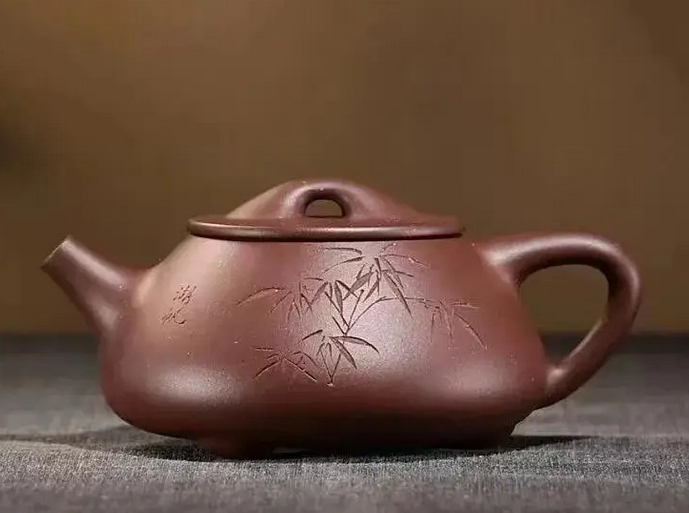

Yixing teapots, celebrated for their unique purple clay (zisha) texture and excellent breathability, are a favorite among tea enthusiasts. But a common question arises for both beginners and seasoned collectors: “What kind of tea do you use in a Yixing teapot?” The answer isn’t one-size-fits-all—matching the right tea to your Yixing teapot depends on the pot’s clay type, shape, and size, as well as your personal taste preferences. This expert guide breaks down the core principles of tea-Yixing pot matching, highlights the best tea options for different scenarios, and shares practical tips to maximize your brewing experience.
The key to a perfect match lies in understanding the symbiosis between Yixing clay and tea. Genuine Yixing purple clay has a dual-pore structure that absorbs tea oils and retains heat exceptionally well. Over time, this creates a “seasoned” patina inside the pot that enhances the tea’s aroma and flavor. However, this also means Yixing teapots should be dedicated to one type of tea (to avoid flavor cross-contamination). Choosing the right tea not only elevates your drink but also preserves and enhances the pot’s patina.
Core Principles of Matching Tea to Yixing Teapots
Before diving into specific tea recommendations, it’s essential to grasp three fundamental principles that guide successful pairing:
1. Clay type dictates tea compatibility: Different Yixing clay varieties (purple clay, red clay, segment clay) have distinct textures, breathability, and heat-retention properties, making them better suited for specific teas. For example, dense clays excel with aromatic teas, while porous clays pair well with rich, full-bodied teas.
2. Pot size matches tea amount and brewing style: Small Yixing teapots (50–150cc) are ideal for concentrated brewing (common in gongfu tea), while larger pots (150–300cc) suit lighter, more casual brewing. The tea’s leaf expansion rate also matters—teas with large leaves need more space than fine, rolled leaves.
3. Avoid flavor cross-contamination: As mentioned, Yixing clay absorbs tea oils. Using one pot for multiple tea types will blend flavors, ruining both the tea’s taste and the pot’s patina. Always dedicate a single Yixing teapot to one tea category (e.g., oolong, pu-erh).
Best Tea Types for Yixing Teapots (By Clay Type)
The most critical factor in pairing is the Yixing clay type. Below is a detailed breakdown of the top tea matches for the three main Yixing clay varieties:
1. Purple Clay (Zini) – Ideal for Rich, Full-Bodied Teas
Purple clay is the most common and versatile Yixing clay. It has moderate breathability and excellent heat retention, making it perfect for teas with deep flavors and rich aromas that benefit from slow, even brewing. The best tea matches include:
• Ripe Pu-erh (Shou Pu-erh): Ripe pu-erh is fermented, with a smooth, earthy flavor and mellow sweetness. Purple clay’s heat retention helps unlock the tea’s complex notes (like dried fruit, chocolate, or wood), while its slight breathability softens any harshness. This is one of the most classic Yixing-tea pairings—many collectors dedicate a purple clay pot solely to ripe pu-erh.
• Dark Oolongs: Teas like Da Hong Pao (Big Red Robe), Shui Xian (Water Sprite), and Tie Luo Han (Iron Arhat) fall into this category. They have bold, roasted flavors and a lingering aftertaste. Purple clay enhances their roasted aromas and balances their astringency, creating a more rounded brew.
• Black Teas (Keemun, Assam): Full-bodied black teas with malty or fruity notes pair well with purple clay. The pot’s heat retention ensures the tea brews thoroughly, extracting its rich flavor without making it bitter. For example, a purple clay pot can bring out the honey and chocolate notes in Keemun black tea.
2. Red Clay (Zhu Ni) – Perfect for Aromatic, Light Teas
Red clay is rarer and denser than purple clay, with lower breathability but exceptional heat conductivity. Its smooth texture and fine pores make it ideal for teas with delicate, fragrant aromas—these qualities help preserve the tea’s subtle notes without absorbing them too quickly. Top matches include:
• Light-Roast Oolongs: Teas like Tieguanyin (Iron Goddess of Mercy), Alishan Oolong, and Dong Ding Oolong are lightly roasted, with fresh, floral, or fruity aromas (e.g., orchid, peach, honey). Red clay’s quick heat transfer ensures the tea brews evenly without over-roasting, preserving its bright, crisp flavor.
• Young Raw Pu-erh (Sheng Pu-erh): Young raw pu-erh is unfermented, with a fresh, grassy, or floral taste and a slight astringency. Red clay’s dense texture softens the astringency while highlighting the tea’s fresh aromas. Unlike purple clay, red clay won’t overpower the delicate notes of young raw pu-erh.
• White Teas (Silver Needle, White Peony): While white teas are often brewed in glass or porcelain to showcase their lightness, a small red clay pot can enhance their sweetness and depth. Choose a small (50–100cc) red clay pot for white teas to avoid over-brewing.
3. Segment Clay (Duanni) – Versatile for Medium-Bodied Teas
Segment clay is a blend of purple, red, and yellow clays, with moderate breathability and heat retention. It has a warm, creamy texture and a natural yellowish-brown color that develops a beautiful patina over time. Its versatility makes it suitable for medium-bodied teas that fall between light and bold:
• Medium-Roast Oolongs: Teas like Jin Xuan (Milk Oolong) and Gao Shan (High Mountain) Oolong, which have a balance of floral and roasted notes, pair perfectly with segment clay. The pot enhances both the tea’s aroma and body without leaning too far in either direction.
• Aged Raw Pu-erh: Aged raw pu-erh (10+ years) loses its harsh astringency and develops mellow, earthy, and woody notes. Segment clay’s moderate breathability helps unlock these complex flavors, creating a smooth, well-rounded brew.
• Huangshan Maofeng (Yellow Mountain Fur Peak): This famous green tea has a sweet, nutty flavor and a delicate aroma. A small segment clay pot (with low heat retention compared to purple clay) can brew it gently, preserving its freshness while adding a subtle depth.
Tea Types to Avoid in Yixing Teapots
While Yixing teapots are versatile, some teas are better brewed in other vessels (glass, porcelain, or ceramic) to avoid wasting their unique qualities or damaging the pot’s patina:
• Strongly Flavored Herbal Teas: Teas like peppermint, chamomile, or rose hip have intense, artificial-like flavors that are difficult to remove from Yixing clay. They will contaminate the pot’s patina and ruin future brews.
• Low-Quality, Dusty Teas: Poor-quality teas with dust or impurities can clog the clay’s pores, reducing its breathability and affecting its ability to develop a patina. Stick to high-quality, clean teas for your Yixing pot.
• Overly Light Teas (e.g., some green teas): Most green teas (like Longjing) are best brewed in glass or porcelain to showcase their fresh, grassy flavor and pale color. Yixing clay’s heat retention can easily over-brew green teas, making them bitter.
Practical Tips for Brewing Tea in Yixing Teapots
Once you’ve matched your tea to your Yixing pot, follow these tips to get the best results:
1. Season your pot first: New Yixing teapots need to be “seasoned” to remove any residual clay dust. Rinse the pot with hot water, then brew 2–3 batches of your chosen tea (discarding the tea) to prime the clay for absorption.
2. Control water temperature: Follow the tea’s temperature guidelines—for example, 95–100°C for oolong and pu-erh, 85–90°C for light oolongs and white teas. Yixing clay retains heat well, so you may need to pre-warm the pot less than you would with porcelain.
3. Adjust brewing time: Start with short steeps (10–20 seconds for gongfu brewing) and increase gradually until you find your preferred strength. Yixing pots extract flavor more efficiently than other vessels, so shorter steeps are often better.
4. Clean properly: After brewing, rinse the pot with hot water and dry it with a soft cloth. Do not use soap or chemical cleaners—they will damage the clay and remove the patina.
Matching Yixing Pot Size to Tea Servings
Pot size is another key factor in successful brewing. Here’s a quick guide to size selection based on tea servings and type:
• 50–100cc: Ideal for solo gongfu brewing or 2 small servings. Perfect for light oolongs, young raw pu-erh, and white teas.
• 100–150cc: The most versatile size, suitable for 2–3 servings. Works well with dark oolongs, ripe pu-erh, and medium-roast oolongs.
• 150–300cc: For casual brewing with 4–6 servings. Best for black teas, aged pu-erh, and medium-bodied oolongs.
Conclusion: The Perfect Match Enhances Both Tea and Pot
So, what kind of tea do you use in a Yixing teapot? The best choice depends on your pot’s clay type, size, and your taste—but the core rule is to pair rich, full-bodied teas with purple clay, aromatic light teas with red clay, and medium-bodied teas with segment clay. By following this guide, you’ll not only enjoy a more flavorful cup of tea but also help your Yixing teapot develop a beautiful, long-lasting patina that becomes more valuable over time.
If you’re looking for a Yixing teapot tailored to your favorite tea, explore Jianghu Teapot’s collection. We offer a curated selection of genuine Yixing teapots (purple clay, red clay, segment clay) in various sizes, directly shipped from Yixing, China. Each pot comes with detailed descriptions to help you find the perfect match for your tea collection, ensuring you get the most out of your brewing experience.