
How can life be without tea? How can tea drinking be without a teapot? Yixing teapots have the unique property of being “breathable yet impermeable to water”. When used to brew tea, they can better bring out the tea’s color, aroma and taste. When brewing tea in hot summer, the tea even won’t go bad overnight. Since ancient times, Yixing teapots have been recognized as the most ideal tea brewing utensils. Even experienced Yixing teapot enthusiasts who are familiar with purple clay still have certain misunderstandings about it. Today, we will take you to look at some common misunderstandings about Yixing purple clay!
1. Why are there black spots on my new Duanni (segment clay) teapot?
Correct Answer: It is common for black and white spots to appear in purple clay. There is no need to worry too much. The main reason is that purple clay ore is argillaceous sandstone, mainly composed of silicon, aluminum and iron. Especially purple clay (zini) is mainly composed of quartz, kaolin, hematite and mica. Genuine purple clay must contain a small amount of mica, and black spots may occasionally appear. These black spots are aggregates of insoluble metal compounds such as iron or manganese.
2. The raw materials for Yixing teapots are already very scarce.
Correct Answer: The raw materials for Yixing teapots are not scarce at all; they can still be used for another 100 years. However, the Yixing teapot industry is indeed a resource-based industry. The high-grade, high-quality clay for Yixing teapots will only become less and less as it is used. Of course, some individual types of clay are exhausted, but there is still a lot of Yixing teapot ore. The closure of Huanglongshan mines is a measure by the government to restrict random mining, not because the mines are exhausted.
3. Purple clay (zini) is the best among Yixing teapot clays.
Correct Answer: There are many types of raw clay for Yixing teapots, and each type has its own characteristics. It can be said that each has its own merits. However, we cannot absolutely say that one type of clay is better than others. The types of clay are like clothes of the same design; we cannot say that the black design is definitely better-looking than the white one. After all, it depends on personal preference.
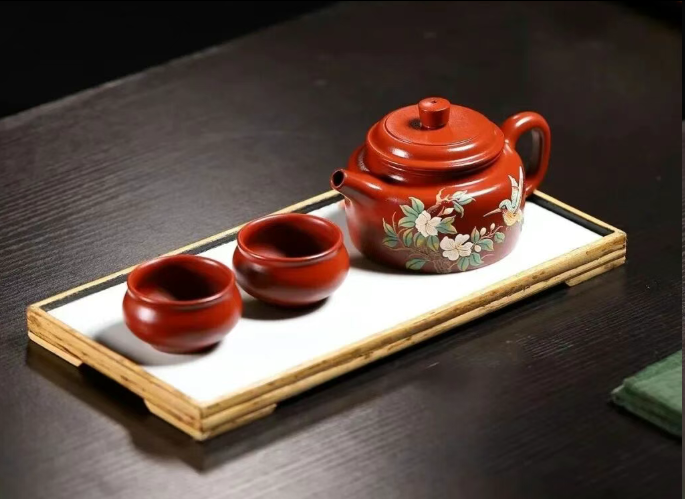
4. Yixing teapots made by artisans with higher titles must be better and of higher quality than those made by artisans with lower titles.
Correct Answer: Titles are only for buyers’ reference. The quality of a teapot still depends on the specific clay quality and craftsmanship; we should not blindly believe in titles. Now, some artisans without any titles make teapots that are hard to find and sell at extremely high prices.
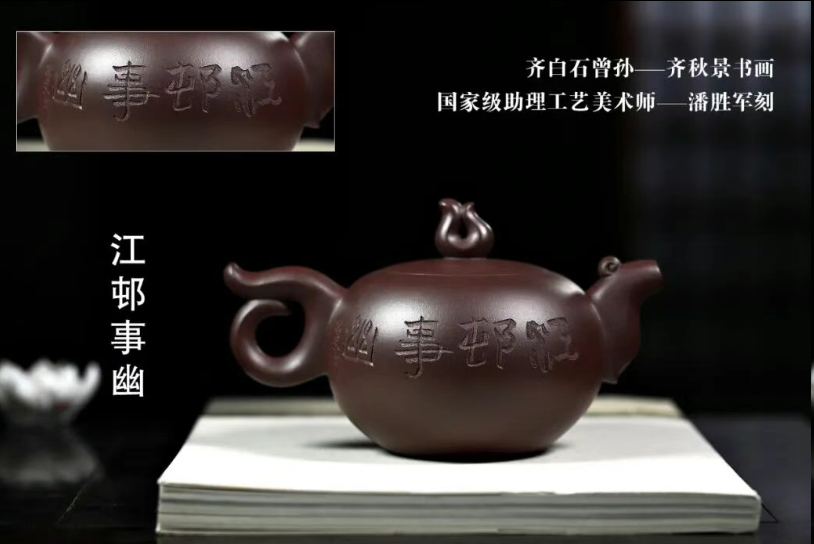
5. Judging the authenticity and value of Yixing teapots only by the bottom mark and certificate.
Correct Answer: Bottom marks can be copied, and certificates can be faked. Whether a teapot is valuable mainly depends on the quality of its clay and craftsmanship. Whether a teapot is genuine or not depends on whether its craftsmanship conforms to the artist’s style and real production level.
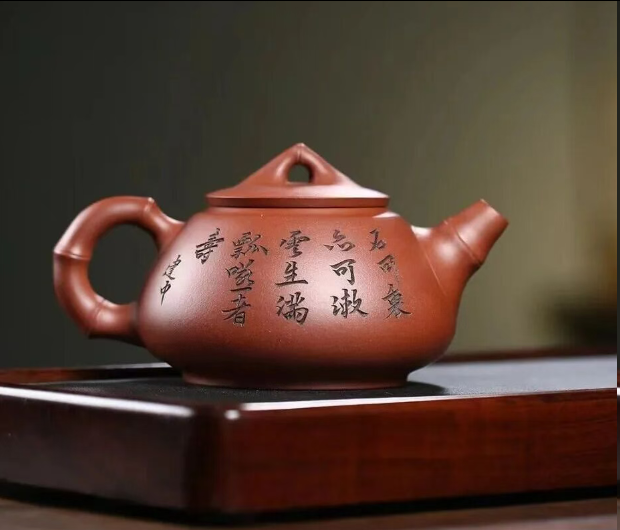
6. Boiling the teapot with old tofu and sugarcane to season it (kaihu).
Correct Answer: Seasoning the teapot with old tofu and sugarcane has misled many teapot enthusiasts. Usually, when we get a good teapot, we can directly clean it and scald it with boiling water before use.
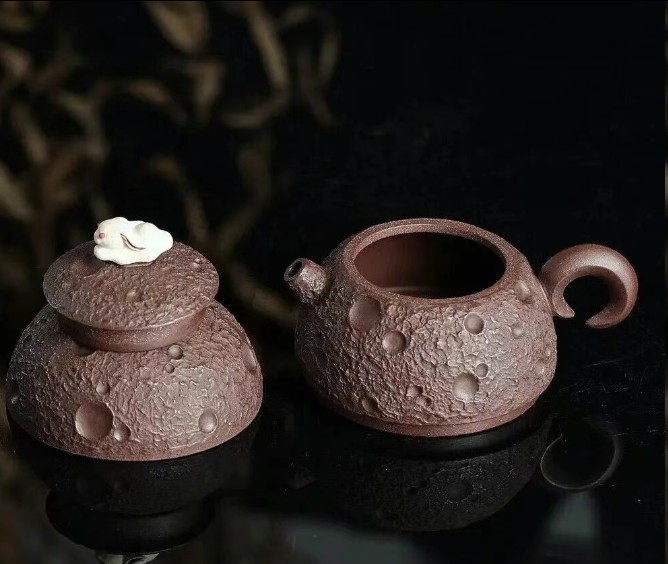
7. Only high-quality tea can make the Yixing teapot develop a beautiful patina.
Correct Answer: Whether a Yixing teapot can develop a good and beautiful patina has no inevitable relationship with the grade of the tea brewed in it. It is only directly related to the teapot’s clay, the length of time you use it, and the frequency of use.
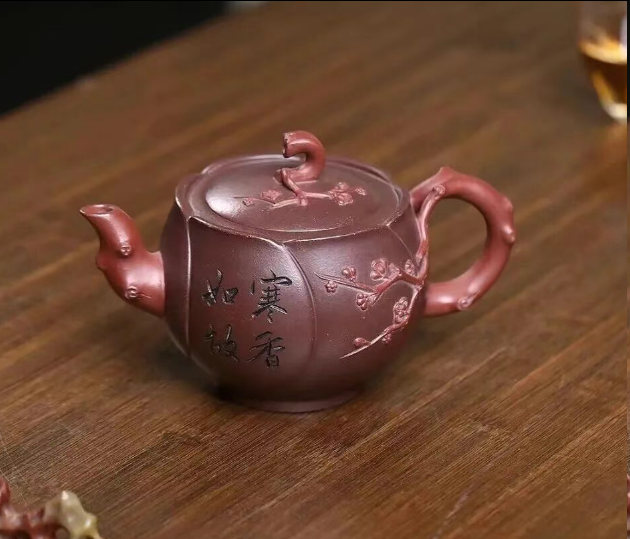
8. Gimmicks of water cut-off and upside-down teapot.
Correct Answer: On forums or tieba (a Chinese social platform), some teapot enthusiasts say that the standard for judging airtightness is: press the lid knob, the water will stop immediately; then cover the spout and invert the teapot, and the lid will not fall off. In my opinion, this is just a gimmick. Now, “playing upside-down” has become a popular gimmick for selling teapots (or cups) online. Pressing the spout and inverting the teapot with the lid not falling off indicates that the teapot has excellent airtightness, but this is not the only attribute of a good teapot.