
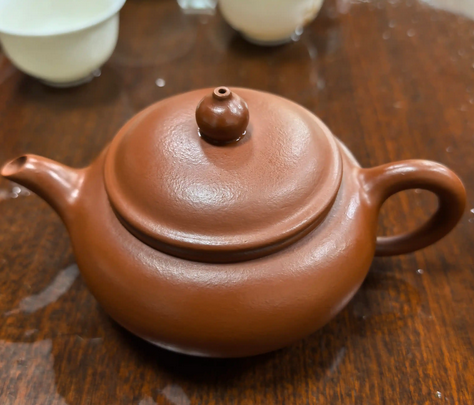

Yixing teapots are prized by tea lovers for their unique porous purple clay that absorbs tea oils and develops a rich patina over time. However, with regular use, mineral deposits, dust, and excess tea residue can accumulate inside and outside the pot, forming unsightly buildup. If left unaddressed, this buildup can clog the clay’s pores, hinder flavor absorption, and even affect the teapot’s appearance. The key to cleaning buildup in a Yixing teapot is to use gentle, non-abrasive methods that preserve the clay’s integrity—harsh chemicals or scrubbing will damage the pot’s surface and ruin its patina. This guide will walk you through safe, effective steps to remove buildup and maintain your Yixing teapot for years to come.
What Causes Buildup in Yixing Teapots?
Before diving into cleaning methods, it’s important to understand the root causes of buildup. The primary culprits include mineral deposits from hard water, leftover tea leaves or residue that wasn’t rinsed away, and dust accumulation when the pot is not stored properly. Unlike regular ceramic teapots, Yixing teapots have a dual-pore structure that traps these particles easily. It’s worth noting that a thin, even layer of tea oil is desirable—it’s what creates the teapot’s signature patina. Buildup refers to thick, uneven deposits that go beyond this natural patina.
Safe Steps to Remove Buildup in Yixing Teapot
1. Basic Rinse for Light Buildup
For mild buildup (thin, discolored spots), start with a basic rinse. Boil clean water and pour it into the teapot, filling it to the brim. Let it soak for 10–15 minutes to loosen surface residue. Then, use a soft-bristled brush (a bamboo brush is ideal) to gently scrub the inside and outside of the pot. Avoid applying too much pressure—scrubbing hard can scratch the clay. Rinse thoroughly with hot water until the water runs clear. Dry the teapot completely with a soft cotton cloth before storing.
2. Vinegar Soak for Hard Water Deposits
Hard water deposits are white, crusty spots that are harder to remove. For this, use a diluted vinegar solution—mix 1 part white vinegar with 3 parts hot water (never use concentrated vinegar, as it can damage the clay). Pour the solution into the teapot and soak for 20–30 minutes. The vinegar will dissolve the mineral deposits without harming the pot. After soaking, scrub gently with a bamboo brush and rinse repeatedly with hot water to remove any vinegar odor. This method is safe for most Yixing teapots, but avoid using it on teapots with painted or carved decorations, as vinegar may fade the colors.
3. Rice Water Soak for Stubborn Buildup
For thicker, stubborn buildup, rice water is a natural, gentle alternative to chemicals. Soak rice in water for 2–3 hours to make concentrated rice water (the cloudy water left after rinsing rice works too). Bring the rice water to a boil and pour it into the teapot. Let it soak overnight—rice water contains starch that breaks down tough residue without scratching the clay. The next day, scrub gently and rinse thoroughly with hot water. This method not only removes buildup but also helps maintain the teapot’s luster.
Methods to Avoid When Cleaning Yixing Teapots
Some common cleaning methods can cause irreversible damage to your Yixing teapot, so they should be avoided at all costs. Never use dish soap, detergent, or any chemical cleaners—these will seep into the clay’s pores, leave a residue, and ruin the flavor of future brews. Avoid abrasive scrubbers like steel wool or scouring pads, as they will scratch the pot’s surface. Do not boil the teapot directly on a stove—extreme heat can cause the clay to crack. Additionally, never soak the teapot in salt water or baking soda solutions, as these can alter the clay’s pH balance.
How to Prevent Buildup in Yixing Teapots
Prevention is better than cure when it comes to Yixing teapot maintenance. Here are some tips to minimize buildup: Rinse the teapot with hot water immediately after each use to wash away leftover tea residue. Do not leave tea leaves in the pot for extended periods. Store the teapot in a dry, ventilated area to prevent dust accumulation. Use filtered water for brewing if you have hard water, as this reduces mineral deposits. Finally, remember to dedicate one Yixing teapot to one type of tea—mixing teas can cause uneven buildup and flavor contamination.
Conclusion
Cleaning buildup in a Yixing teapot doesn’t have to be complicated—gentle, natural methods are the key to preserving the pot’s patina and functionality. Whether you’re dealing with light residue or tough hard water deposits, the steps outlined above will help you restore your teapot to its best condition without causing damage. By following these cleaning and prevention tips, your Yixing teapot will continue to enhance your tea-brewing experience for decades, becoming a cherished piece in your collection.
If you’re looking for high-quality Yixing teapots or maintenance tools, visit Jianghu Teapot. We offer genuine handmade Yixing teapots crafted from premium clay, along with expert tips to help you care for your teapot properly.