
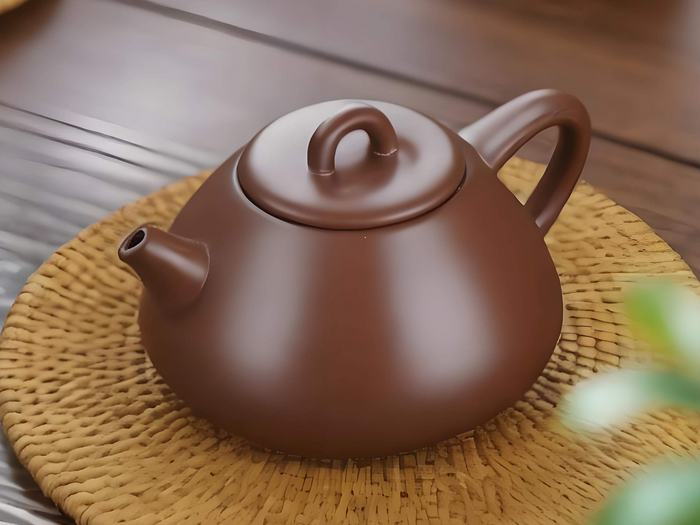

Yixing teapots, crafted from porous purple clay (zisha) sourced from Yixing, Jiangsu, are revered worldwide for their ability to enhance tea flavor and develop a rich patina over time. A common question among tea enthusiasts is: “What kind of tea is in a Yixing teapot?” The answer hinges on the teapot’s clay type, size, and the unique properties of Yixing clay—its breathability and heat retention make it ideal for specific teas, while its porous nature means it should be dedicated to one tea type to avoid flavor cross-contamination. This guide breaks down the best tea pairings for Yixing teapots, helping you maximize your brewing experience.
Key Principles of Yixing Teapot and Tea Pairing
Before exploring specific tea types, it’s critical to grasp two core pairing rules. First, clay type dictates compatibility: Yixing clay comes in three main varieties—purple clay (zini), red clay (zhu ni), and segment clay (duanni)—each with distinct breathability and heat retention levels that complement different teas. Second, dedicating a teapot to one tea is non-negotiable: the porous clay absorbs tea oils with every brew, creating a patina that enriches future infusions. Mixing teas will muddle flavors and ruin the patina, diminishing the teapot’s value and performance.
Best Tea Types for Yixing Teapots (By Clay Type)
1. Purple Clay (Zini) – For Rich, Full-Bodied Teas
Purple clay is the most versatile and widely used Yixing clay, with moderate breathability and excellent heat retention. Its dense structure locks in heat, allowing full-bodied teas to release their complex flavors and aromas slowly. The best teas for purple clay Yixing teapots include ripe pu-erh (shou pu-erh), which has a smooth, earthy profile—purple clay softens any lingering harshness and amplifies its chocolate and dried fruit notes. Dark oolongs like Da Hong Pao (Big Red Robe) and Shui Xian (Water Sprite) also pair perfectly; the clay enhances their roasted, woody undertones and balances astringency. Additionally, full-bodied black teas such as Keemun and Assam benefit from purple clay’s heat retention, unlocking their malty, fruity flavors without bitterness.
2. Red Clay (Zhu Ni) – For Aromatic, Light Teas
Red clay is rarer and denser than purple clay, with low breathability but exceptional heat conductivity. Its fine pores preserve delicate aromas without absorbing them too quickly, making it ideal for light, fragrant teas that would be overpowered by more porous clays. Light-roast oolongs are the top choice—teas like Tieguanyin (Iron Goddess of Mercy) and Alishan Oolong have bright, floral, and fruity notes that red clay highlights without muting. Young raw pu-erh (sheng pu-erh), with its fresh, grassy taste and mild astringency, also pairs well; red clay softens the astringency while preserving the tea’s crisp, vibrant character. Even delicate white teas like Bai Hao Yin Zhen (Silver Needle) can be brewed in small red clay teapots (50–100cc), as the clay adds a subtle sweetness without overwhelming the tea’s delicate flavor.
3. Segment Clay (Duanni) – For Medium-Bodied Teas
Segment clay is a blend of purple, red, and yellow clays, offering a balance of breathability and heat retention. Its warm, creamy texture develops a beautiful golden patina over time, and its versatility makes it suitable for medium-bodied teas that fall between light and bold. Medium-roast oolongs like Jin Xuan (Milk Oolong) and Gao Shan (High Mountain) Oolong are perfect matches—segment clay enhances both the tea’s milky, floral aromas and its smooth, rounded body. Aged raw pu-erh (10+ years) also shines in segment clay; the tea’s mellow, earthy notes are complemented by the clay’s moderate breathability, creating a well-rounded brew. Even some high-quality green teas like Huangshan Maofeng can be brewed in small segment clay teapots, as the clay’s heat retention is gentle enough to avoid over-brewing the tea.
Tea Types to Avoid in Yixing Teapots
While Yixing teapots are versatile, some teas are better brewed in other vessels to protect the teapot’s patina and preserve the tea’s unique qualities. Strongly flavored herbal teas like peppermint, chamomile, or rose hip should be avoided—their intense, artificial-like flavors will seep into the clay’s pores and contaminate future brews, even after thorough cleaning. Low-quality, dusty teas are also not recommended; their impurities can clog the clay’s pores, reducing breathability and hindering patina development. Most green teas (e.g., Longjing, Biluochun) are best brewed in glass or porcelain, as Yixing clay’s heat retention can easily over-brew them, leading to a bitter, grassy taste.
Practical Tips for Pairing Tea with Yixing Teapots
To get the most out of your Yixing teapot and tea pairing, follow these practical tips. First, match the teapot size to your brewing style: small teapots (50–150cc) are ideal for gongfu brewing (concentrated, multiple infusions), while larger teapots (150–300cc) suit casual, single-brew servings. Second, season your new teapot before use—rinse it with hot water and brew 2–3 batches of your chosen tea, discarding the infusions, to prime the clay for flavor absorption. Third, clean your teapot properly after each use: rinse with hot water only (no soap or chemicals) and dry with a soft cloth to maintain the patina.
Conclusion
So, what kind of tea is in a Yixing teapot? The best tea depends on your teapot’s clay type: purple clay for rich, full-bodied teas; red clay for aromatic, light teas; and segment clay for medium-bodied blends. By following these pairing guidelines and dedicating your teapot to one tea type, you’ll unlock deeper flavors, enhance your tea ritual, and watch your Yixing teapot develop a beautiful, personalized patina over time.
If you’re looking for genuine handmade Yixing teapots tailored to your favorite tea, visit Jianghu Teapot. We offer a curated selection of purple clay, red clay, and segment clay teapots, directly shipped from Yixing, China, with transparent clay origin and craftsmanship information.