

Many new buyers shopping for Zisha teapots start by asking one question: Is it made from genuine raw Zisha clay? Was it crafted by a famous master potter?
Some sellers take advantage of this mindset, overhyping clay origin and artist titles. Poorly proportioned teapots with bad pouring performance are often sold at inflated prices.
Seasoned tea enthusiasts understand that clay quality is merely a basic requirement, not the top standard to judge a teapot. Even premium clay cannot save a pot with sloppy craftsmanship or poor usability. No matter how attractive it looks, such a teapot will only serve as decoration.
Below are 5 simple visual checks you can perform on the spot without advanced knowledge, helping you assess a Zisha teapot before purchase.
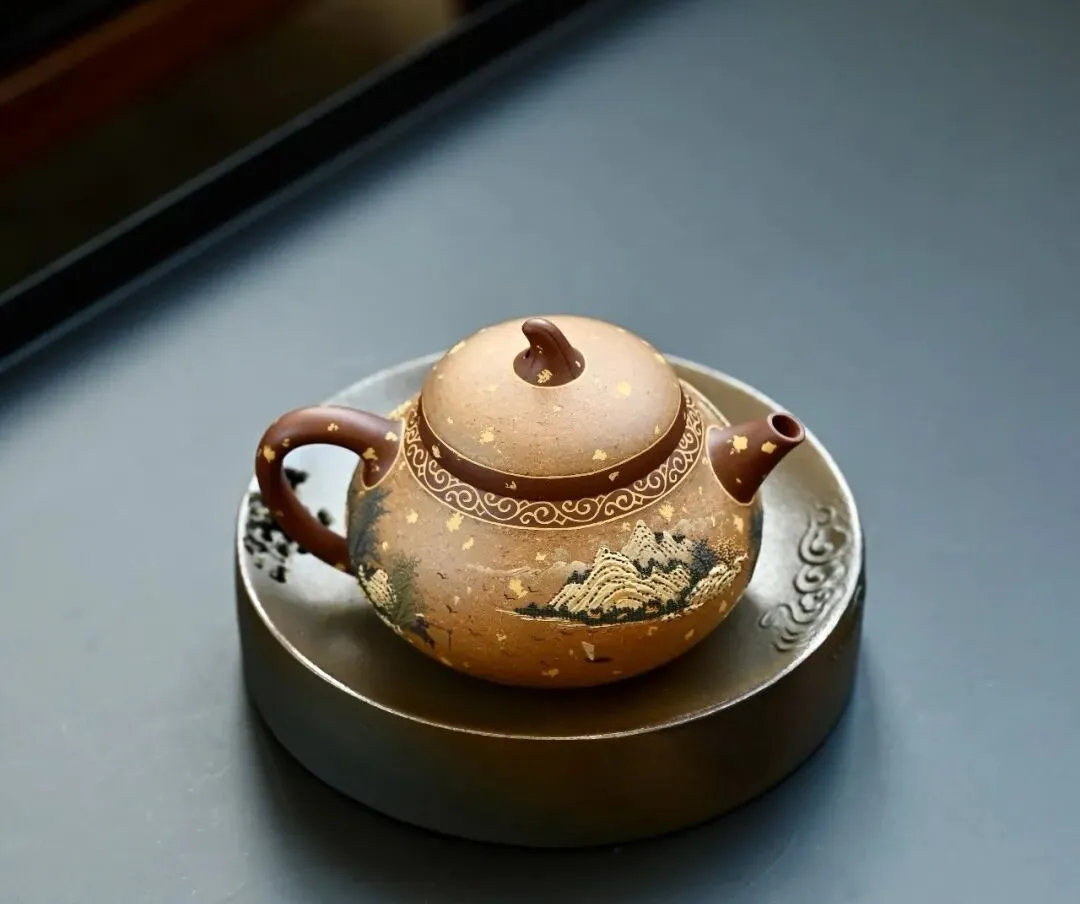
1. Water Flow and Cut-off Performance: Usability Comes First
This is the most fundamental feature of a teapot and often overlooked by beginners. A high-quality Zisha teapot delivers steady, powerful and well-formed water stream without splashing. When you stop pouring, the water cuts off cleanly with no dripping from the spout.
Many visually appealing teapots suffer from weak flow and constant dripping, soaking your tea tray during brewing. They are not practical despite their appearance.
The quality of water flow depends on inner spout finishing, opening size and internal chamber design. More holes do not guarantee better pouring performance.
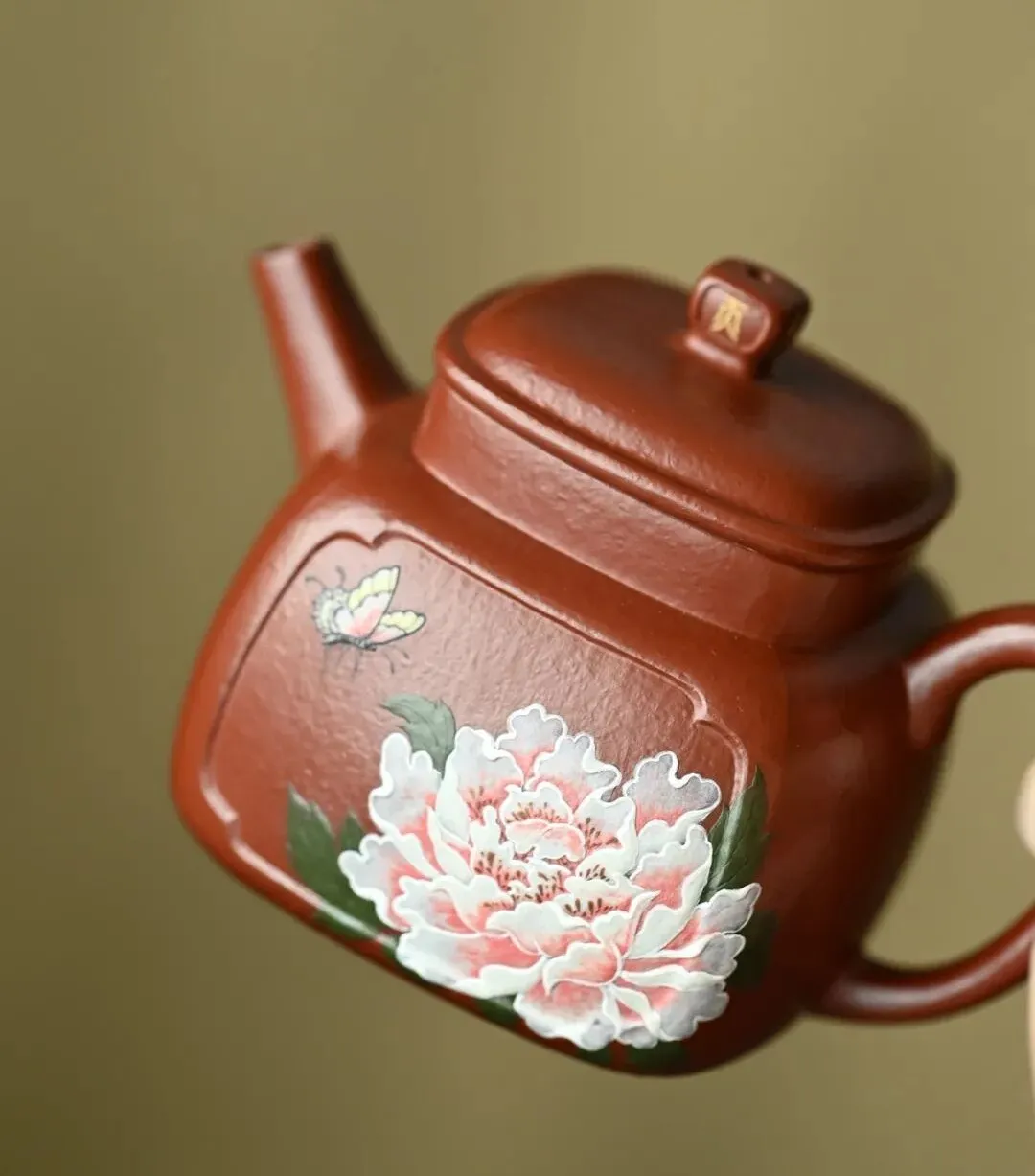
2. Lid and Body Fit: Balanced Clearance
Hold the teapot body and rotate the lid to check the uniformity of the gap. A well-made pot maintains consistent spacing around the lid. The lid will not rattle or shift loosely when you shake the teapot.
While pouring, the lid stays securely in place and will not overflow excessively.
It is worth noting that an extremely tight seal is not always ideal. A fully airtight lid may create suction at high temperatures and get stuck. Moderate clearance balances air permeability and safety, which is the preferred standard among experienced makers.
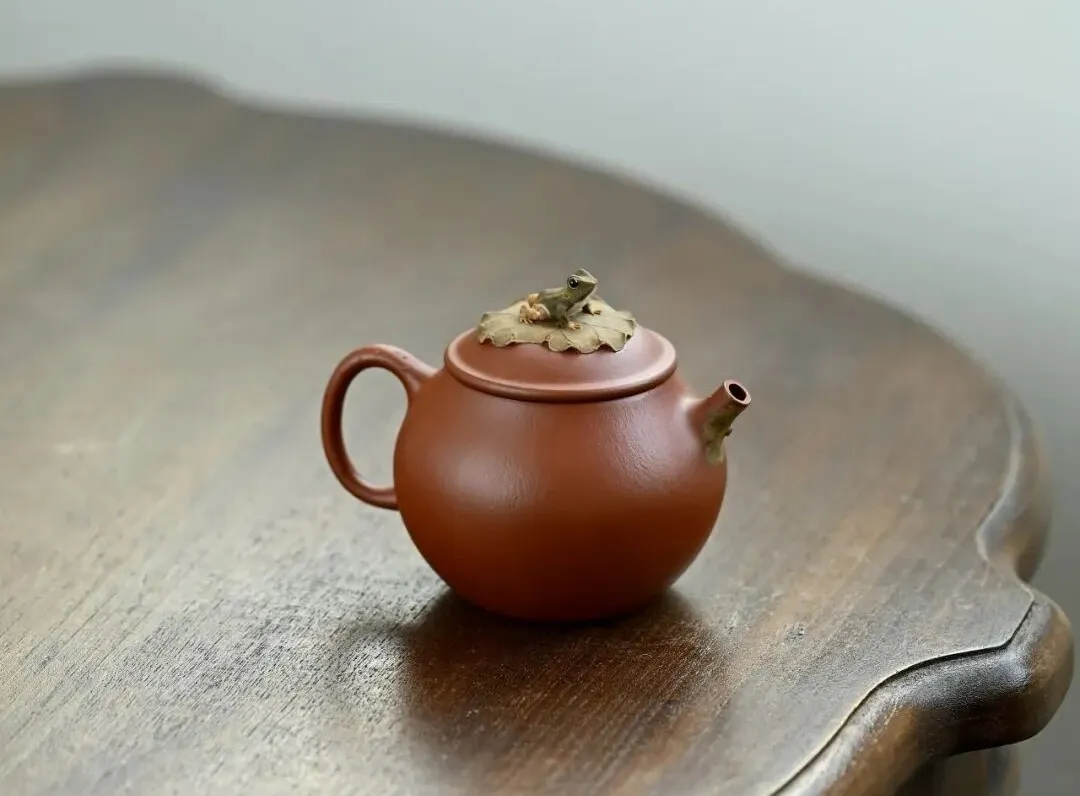
3. Shape and Balance: Harmonious Proportions
Plain unadorned teapots are the true test of craftsmanship, relying entirely on smooth lines rather than decorative patterns. The spout, handle and body should form a balanced whole with stable weight distribution. It should feel comfortable to hold without being heavy or top-heavy.
Many beginners focus only on patterns and colors while ignoring overall balance. If lifting the pot by its handle feels heavy and pulls forward, it will strain your wrist during repeated brewing, no matter how beautiful it looks.
Good aesthetic charm means overall harmony. You do not need to chase replicas of master works. As long as the lines feel natural and the pot sits comfortably in hand, it has a solid foundation. Simple test: view the pot at eye level. The spout and handle should echo each other with smooth lines and no abrupt, awkward transitions. Cheap pots may look fine locally but feel unbalanced as a whole.
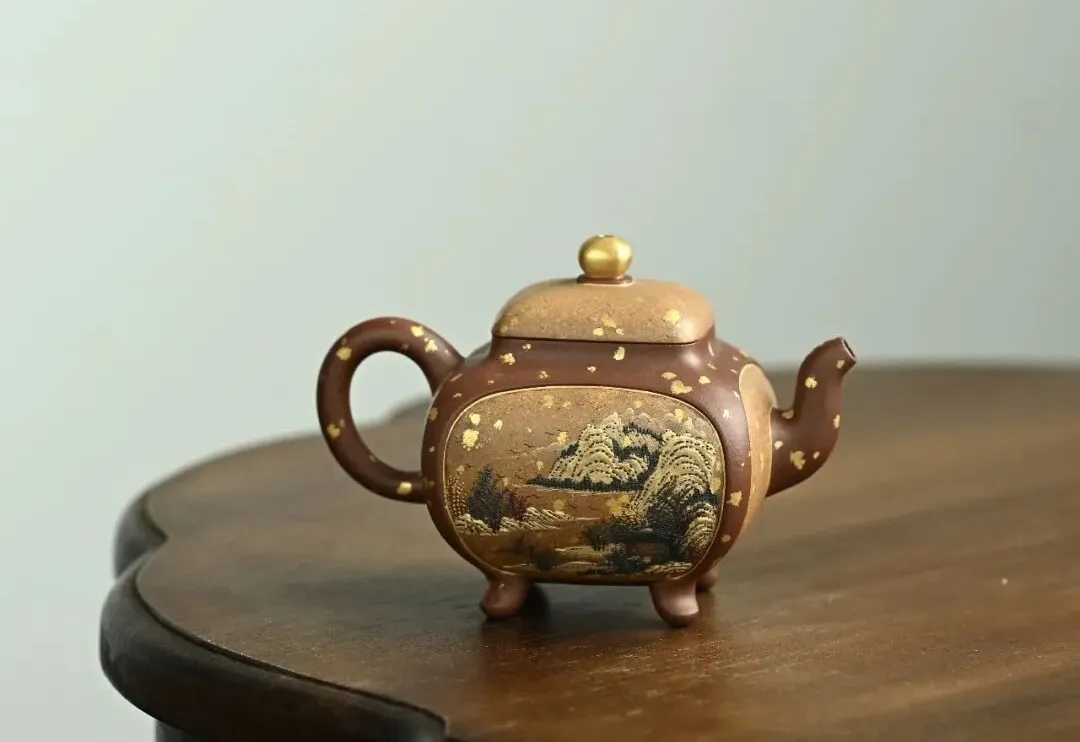
4. Clay Texture: Avoid Chemically Treated Pots
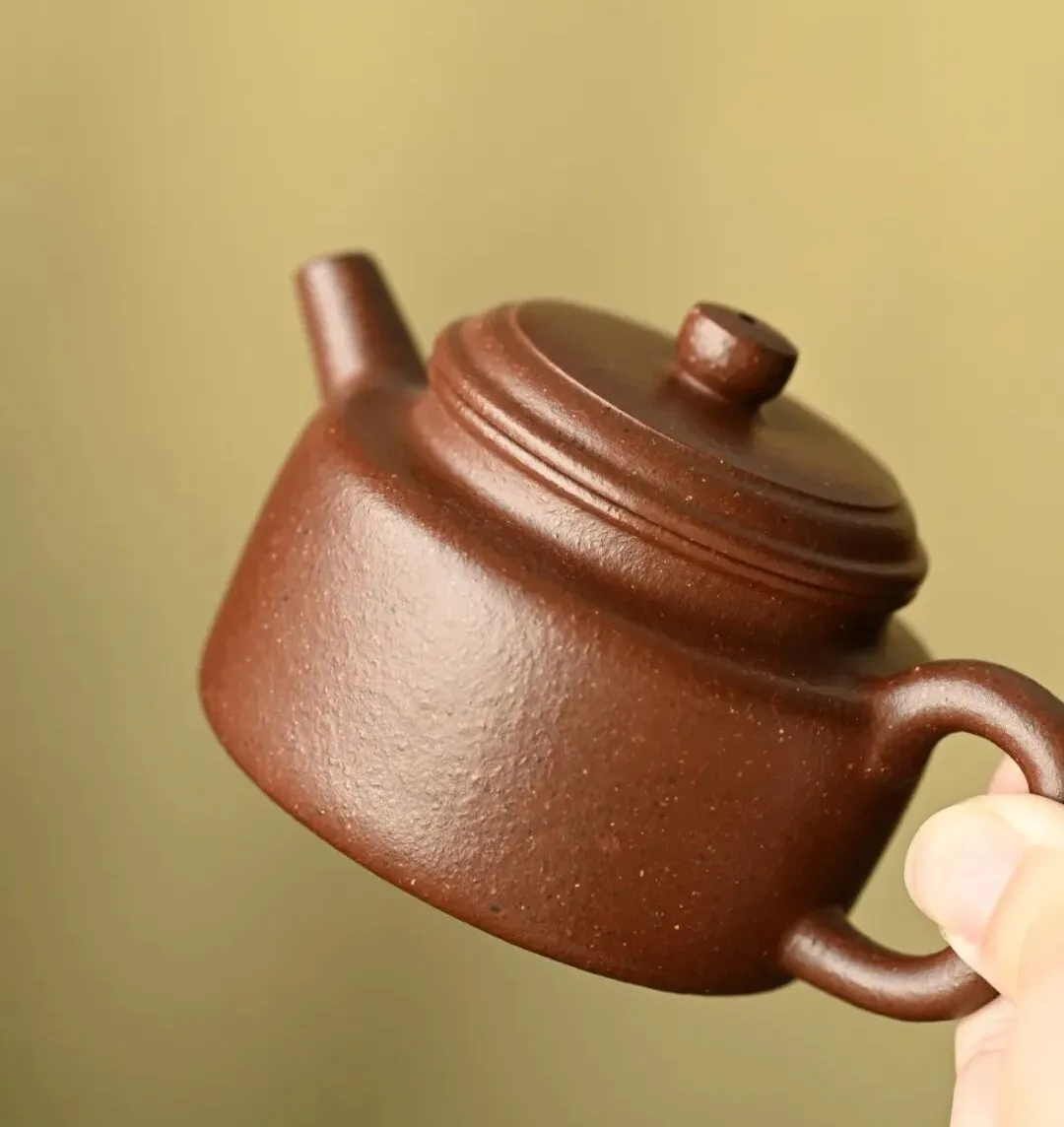
Authentic Zisha clay carries a subtle, understated matte finish instead of harsh, artificial gloss.
Natural Zisha clay has a fine sandy texture. With proper use over time, it gradually develops a soft, lustrous patina.
Chemically colored teapots feature bright, exaggerated surface shine with garish colors. Long-term use of these pots carries potential risks.
Clay types each have unique traits. Red clay, purple clay and Duan clay all perform differently. The best clay is the one matching your preferred tea type. There is no need to blindly chase rare clay varieties.
5. Craftsmanship: Inspect Edge and Joint Finishing
You can examine these details without magnification: check the interior, base, spout root and handle joints for rough burrs or excess clay lumps.
Well-crafted teapots receive careful surface finishing. All seams are smoothed without thick leftover clay marks.
Bear in mind that minor handmade traces are acceptable for fully handcrafted pots. Pots that are overly polished to erase every mark may have been machine finished.
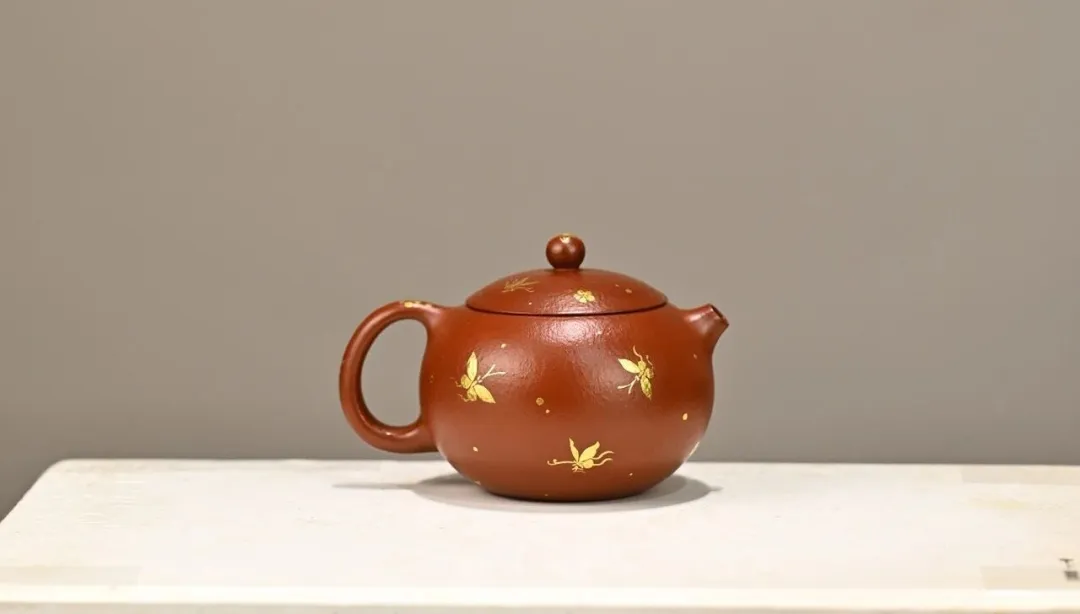
To summarize the priority for judging a Zisha teapot: usability of water flow > structure and craftsmanship > shape balance > clay quality.
Artist titles, signatures and packaging are only add-ons, not primary evaluation criteria. A great Zisha teapot must first be practical for brewing, pleasant to look at, and only then considered for collection.