
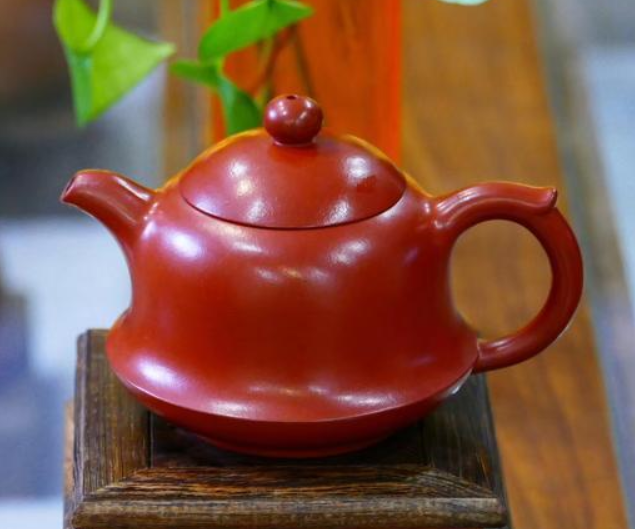

A well-maintained Yixing purple clay teapot is not just a tea-brewing tool—it’s a treasure that evolves with time, developing a rich patina and enhancing the flavor of your favorite teas. Central to preserving its performance and longevity is proper cleaning: done incorrectly, harsh methods or chemicals can damage the clay’s delicate double-pore structure, strip its seasoned patina, or even cause cracks. For tea enthusiasts and collectors, understanding how to clean a Yixing teapot without harming the clay is essential to safeguarding its unique properties. In this comprehensive guide, we’ll debunk common cleaning myths, break down step-by-step safe cleaning processes, and share expert tips for different scenarios—from daily maintenance to deep cleaning. Whether you’re a new owner of a Zi Ni teapot or a seasoned collector of Zhu Ni pieces, this guide will help you keep your Yixing teapot in pristine condition for years to come.
Before diving into the cleaning process, it’s critical to grasp why Yixing purple clay requires special care. Unlike porcelain or glass teapots, Yixing clay features a unique double-pore structure—combining open pores that absorb tea oils and closed pores that retain aroma. This structure is what gives the teapot its ability to “season” (yang hu) over time: with repeated use, the absorbed tea oils form a thin, smooth patina that enriches future brews. Harsh cleaning agents (like dish soap, bleach, or vinegar) can seep into these pores, break down the tea oils, and leave chemical residues that permanently alter the teapot’s flavor. Similarly, abrasive tools (steel wool, scouring pads, or hard-bristled brushes) can scratch the clay surface, damaging the patina and creating uneven areas where tea stains or bacteria may accumulate. Even improper drying can lead to mold growth or clay cracking. The golden rule for cleaning Yixing teapots is simple: use gentle, natural methods that respect the clay’s porous nature.
First, let’s dispel the most common cleaning myths that harm Yixing teapots. Myth 1: “Dish soap is necessary to remove tea stains.” False—dish soap’s surfactants penetrate the clay’s pores, destroying the patina and leaving a soapy residue that ruins tea flavor. Myth 2: “Vinegar or lemon juice can dissolve tough stains.” Acidic substances corrode the clay’s mineral composition (especially high-iron Zhu Ni), weakening the structure and causing discoloration. Myth 3: “Boiling the teapot in water for a long time cleans it thoroughly.” While short boiling (5-10 minutes) is acceptable for initial seasoning, prolonged boiling (over 30 minutes) can cause thermal shock, leading to cracks—especially in thin-walled or aged teapots. Myth 4: “Scrubbing hard removes stubborn tea deposits.” Abrasive scrubbing scratches the clay, making it more prone to staining and bacterial growth. Avoiding these mistakes is the first step to safe, effective cleaning.
Daily cleaning is the simplest and most important step to maintain your Yixing teapot, as it prevents the buildup of tea residues that can harden and become difficult to remove. Follow this step-by-step process for daily care: Step 1: After brewing, empty any remaining tea leaves and tea liquor immediately. Do not let tea sit in the teapot for more than 2 hours, as prolonged contact can cause stubborn stains and bacterial growth. Step 2: Rinse the teapot thoroughly with warm (not boiling) water. Use a gentle stream of water to flush the interior and exterior, focusing on the spout and lid where tea residues often accumulate. The temperature of the water should be between 40-60℃—boiling water can cause thermal shock, especially if the teapot is cold. Step 3: Use a soft-bristled brush (made of pig hair or nylon) to gently brush away any loose tea leaves or light residues. For hard-to-reach areas like the spout’s interior, use a thin, soft brush (such as a dedicated teapot cleaning brush) to avoid scratching. Step 4: Rinse again with warm water to ensure all residues are removed. Step 5: Dry the teapot completely with a clean, soft cloth (preferably lint-free cotton). Wipe the interior, exterior, lid, and spout to remove all moisture. Step 6: Leave the teapot lid slightly ajar and place it in a well-ventilated, dry area to air-dry completely before storing. Never store a damp Yixing teapot, as this can lead to mold growth and clay deterioration.
For weekly or monthly maintenance—when light tea deposits start to form (visible as a dull film on the clay surface)—a slightly more thorough cleaning is needed, but still gentle. Here’s the process: Step 1: Follow the daily cleaning steps to remove loose residues. Step 2: Prepare a pot of warm water (50-60℃) and add 2-3 grams of loose tea leaves (preferably the same type of tea you usually brew in the teapot, as this helps maintain the patina). Step 3: Place the teapot (including the lid) into the warm tea water and let it soak for 15-20 minutes. The tea’s natural oils and tannins will help soften the deposits without damaging the clay. Step 4: After soaking, use the soft-bristled brush to gently scrub the interior and exterior. Focus on areas with visible deposits, but apply light pressure to avoid scratching. Step 5: Rinse the teapot thoroughly with warm water, ensuring no tea leaves or residues remain. Step 6: Dry the teapot with a soft cloth and air-dry completely before use or storage. This method not only cleans the teapot but also helps enhance its seasoning, as the tea water replenishes the clay’s absorbed tea oils.
What if your Yixing teapot has stubborn, long-standing stains (such as dark brown deposits that won’t come off with gentle rinsing)? Don’t resort to harsh chemicals—use this natural deep cleaning method: Step 1: Empty and rinse the teapot with warm water. Step 2: Fill the teapot 3/4 full with warm water (50-60℃) and add 5-10 grams of the same tea you usually brew (or aged Pu’er, which has strong natural cleaning properties). Step 3: Place the teapot on a low heat (use a tea warmer or electric stove on the lowest setting) and simmer for 10-15 minutes. Do not let the water boil—simmering at 80-90℃ softens stubborn deposits without causing thermal shock. Step 4: Turn off the heat and let the teapot cool naturally (do not pour cold water on it while it’s hot). Step 5: Once cool, empty the tea water and use a soft-bristled brush to gently scrub the stained areas. The softened deposits should come off easily. Step 6: Rinse thoroughly with warm water, dry with a soft cloth, and air-dry completely. For extremely stubborn stains, repeat this process 2-3 times—patience is key to avoiding clay damage. Never use steel wool, sandpaper, or chemical cleaners for stubborn stains, as they will permanently ruin the teapot’s patina and structure.
Special scenarios require additional care to protect your Yixing teapot. Scenario 1: Mold growth (caused by improper drying or storage). If you notice mold spots, first rinse the teapot with warm water. Then, fill it with warm water and add a small amount of loose tea (same as usual), simmer for 15 minutes, and let cool naturally. Scrub gently with a soft brush, rinse thoroughly, and air-dry in direct sunlight for 2-3 hours (sunlight’s UV rays kill mold without damaging the clay). Scenario 2: Changing the type of tea brewed in the teapot. If you’ve been using the teapot for oolong and want to switch to Pu’er, deep clean it using the simmer method (above) 2-3 times to remove residual oolong oils. Then, season it with the new tea type for 1-2 weeks before regular use. Scenario 3: A new Yixing teapot (before first use). New teapots have residual clay dust and firing odors. Clean them by soaking in warm water for 24 hours (changing the water 2-3 times), then simmer with tea leaves for 10 minutes, rinse, and air-dry. This initial cleaning prepares the teapot for seasoning.
In addition to cleaning methods, these expert tips will help you preserve your Yixing teapot’s clay and performance: Tip 1: Use a dedicated soft cloth and brush for your Yixing teapot—do not share them with other kitchen tools to avoid cross-contamination. Tip 2: Avoid sudden temperature changes. Never pour boiling water into a cold teapot, or cold water into a hot teapot—thermal shock can cause cracks. Let the teapot adjust to room temperature first. Tip 3: Do not use the teapot to brew tea with milk, sugar, or other additives—these can clog the clay’s pores and ruin the patina. Tip 4: Store the teapot in a dry, well-ventilated area away from direct sunlight (prolonged sunlight can fade the clay color) and strong odors (like spices or chemicals). Tip 5: Handle the lid with care—Yixing teapot lids are often fragile, and a cracked lid can reduce the teapot’s performance (as it affects heat and aroma retention).
Proper cleaning is the cornerstone of maintaining a Yixing purple clay teapot’s unique performance and beauty. By avoiding harsh chemicals and abrasive tools, following gentle daily and deep cleaning processes, and adapting to special scenarios, you can protect the clay’s delicate double-pore structure, preserve its seasoned patina, and ensure it continues to enhance your tea-brewing experience for decades. Remember, a Yixing teapot is a living tool—its character develops with care, and each gentle cleaning step contributes to its longevity. Whether you’re brewing a cup of aged Pu’er in a Zi Ni teapot or savoring a fragrant oolong in a Zhu Ni piece, the effort you put into safe cleaning will be rewarded with richer flavors and a teapot that becomes a cherished part of your tea ritual.
At KJH Tea (www.kuaijianghu.com), we offer a curated collection of authentic Yixing purple clay teapots, crafted from premium Zi Ni, Zhu Ni, and Duan Ni clay by skilled artisans. Each teapot comes with detailed care instructions to help you maintain its beauty and performance. Explore our selection today to find the perfect Yixing teapot for your tea journey, and trust our expert guides to help you care for it properly.