
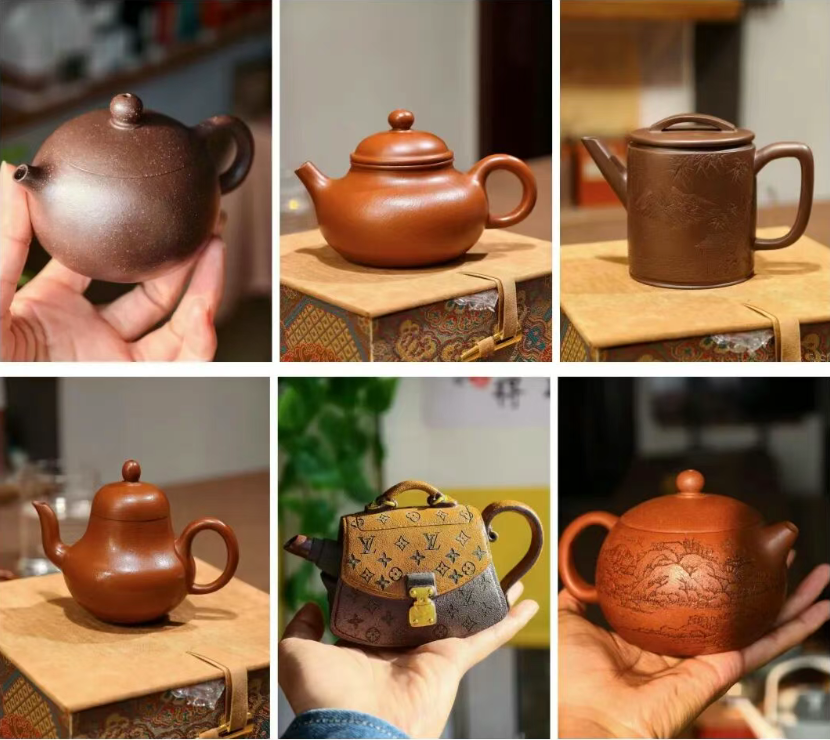

When it comes to Yixing purple clay teapots, many tea lovers have a love-hate relationship with them. They adore the unique charm of these teapots, yet fear being scammed in this complex market. Full handmade, half handmade, machine-turned, slip-cast… How to tell them apart? And how to distinguish real ones from fakes? Today, we skip the stories and useless talk, only sharing the core practical tips. After reading this, you’ll have a clear idea and shop for teapots with confidence.
I. What is Genuine Purple Clay?
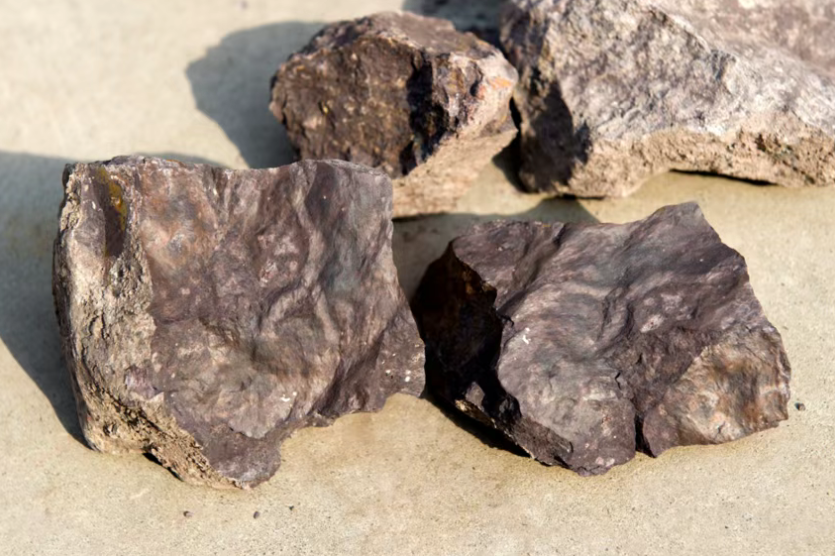
Purple clay is not ordinary pottery clay. It is an ore rich in iron, quartz and mica. It is precisely these “sands” that endow Yixing purple clay teapots with a unique double air pore structure, making them breathable yet impermeable. This structure keeps brewed tea from spoiling easily and locks in the tea’s aroma. Simply put, purple clay is a unique material between pottery and porcelain.
II. How is a Yixing Purple Clay Teapot Made?
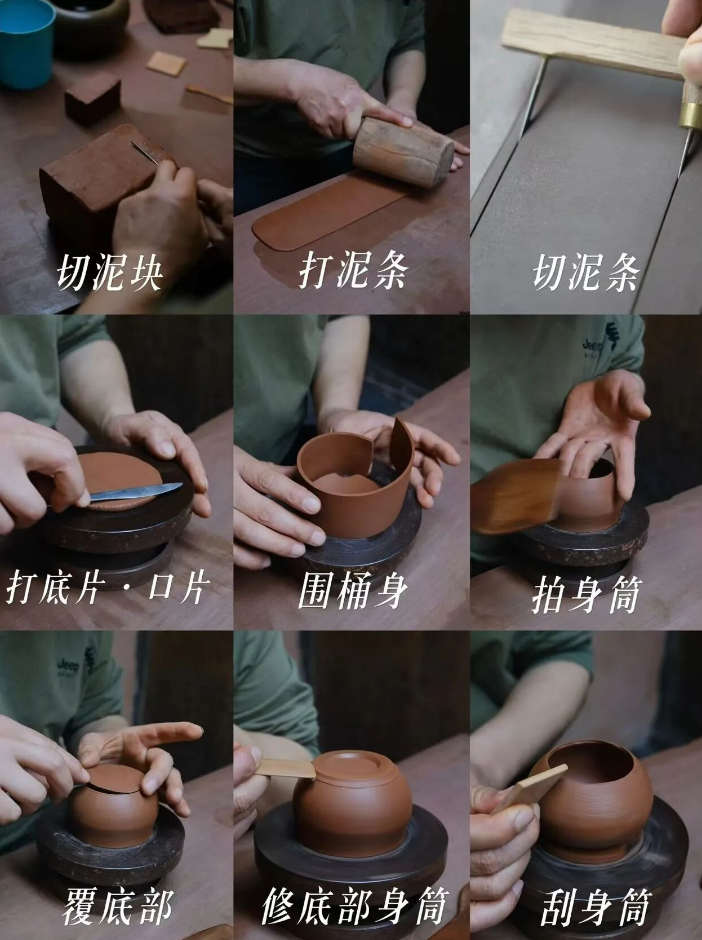
Due to its high sand content, purple clay cannot be shaped by throwing like porcelain. The traditional and authentic method is clay slab joining: the body, base, lid, spout and handle are made separately, then bonded together with clay slip. This is what we call a full handmade teapot.
III. Full Handmade vs. Half Handmade: Which is Better?
1. Half Handmade: The body is shaped by slapping clay into a plaster mold, while other parts are crafted by hand. This technique was created to improve production efficiency. Many neat and complex teapot shapes (such as ribbed teapots) actually require the half handmade process.
2. Full Handmade: Shaped entirely by artisans through beating clay slabs and hand joining all parts.
How to Distinguish Them? Check These 3 Key Points:
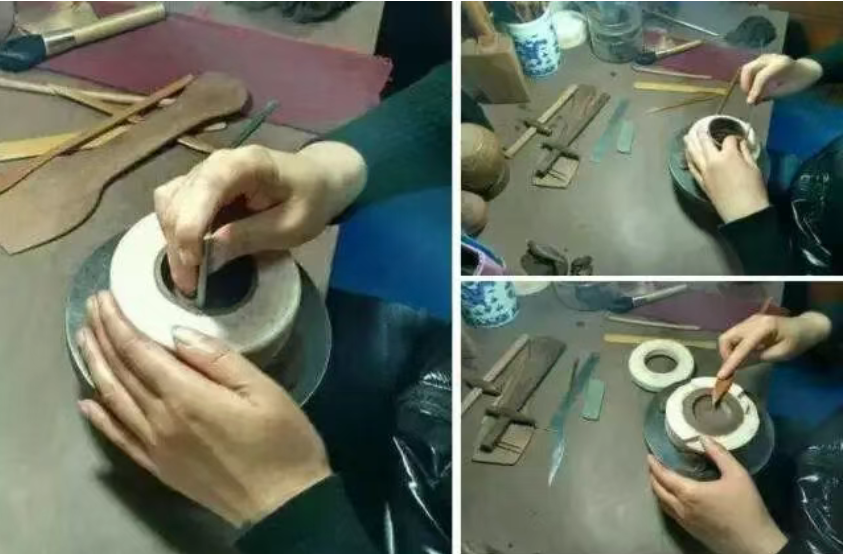
– Check the inner wall texture: The inner wall of a full handmade teapot has a relatively loose, naturally wrinkled clay texture; the inner wall of a half handmade teapot is tight and smooth due to mold pressing.
– Feel the pot mouth: The inner rim of a half handmade teapot often has a circle of reinforced added clay, which feels raised or has a distinct angle; a full handmade teapot has clay slip traces here with a stepped texture.
– Check the seams: Half handmade teapots often have mold seam lines inside the spout and handle; full handmade teapots have seam lines on the inner wall (at the position corresponding to the handle), with a slight protrusion that can be felt by hand.
Core Insight: Half handmade does not equal poor quality. As long as the clay is genuine and the craftsmanship is exquisite, it is a good teapot. There is no need to blindly believe in “full handmade”. What you really need to be alert to are the two types of fake purple clay teapots below!
IV. Machine-Turned Teapot: A Product of Cold Machinery
Production Method: Shaped by high-pressure mechanical spinning with a roller head, resulting in extremely high density. After firing, the teapot is almost vitrified and loses all breathability.
Identification Tips:
– Weigh it: For the same shape, a machine-turned teapot is often much heavier.
– Check the luster: The surface often has an unnatural artificial shine (bright yet dry or greasy), while genuine purple clay has a warm matte finish.
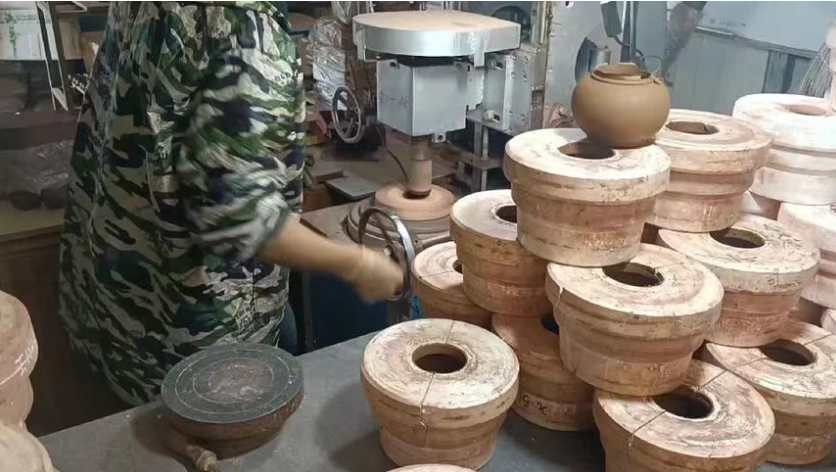
– Tap and listen: It emits a clear, porcelain-like sound; genuine purple clay makes a dull, steady sound when tapped.
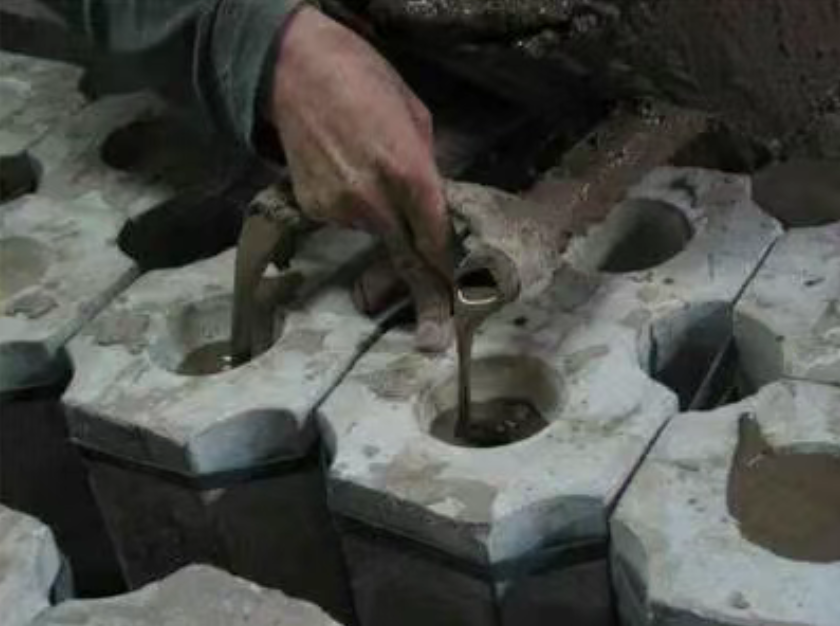
V. Slip-Cast Teapot: A Cheap Trap
Production Method: Purple clay is mixed into a slurry, added with glass water, and poured into a mold to form the teapot in one piece. This completely destroys the purple clay’s structure, leaving it with no breathability at all.
Identification Tips:
– Check the price: Unusually low (e.g., a few yuan or dozens of yuan with free shipping on e-commerce platforms).
– Check the details: The body looks stiff, and two obvious concave grouting holes are often left inside the handle.
– Feel the texture: The surface is rough with a grainy feel, or overly smooth.
Final Advice
Counterfeiting techniques are also “advancing” in the market, and some fake teapots can imitate the traces of genuine ones. The most reliable way is to observe more, compare more and learn more. Remember this simple truth: You get what you pay for.
The probability of buying an authentic full handmade Yixing purple clay teapot for less than 100 yuan is extremely slim.
Want to see all the identification details more intuitively? We highly recommend watching the explanatory video in this article. Through the lens, we’ll show you every key feature for a deeper impression.
Drink tea and appreciate teapots, read books and gain wisdom. Master the core knowledge, and you can avoid scams and truly enjoy the pleasure of tea tasting brought by Yixing purple clay teapots.