
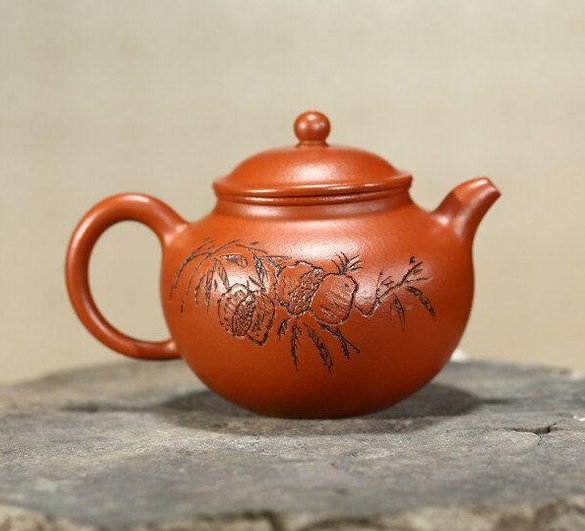

Seasoning (known as “yang hu” in Chinese) is the soul of owning a Yixing purple clay teapot. Unlike ordinary teapots, Yixing teapots are not just brewing tools—they are living vessels that evolve with each use. Through proper seasoning, the teapot’s unique double-pore structure absorbs tea oils and aromas, gradually developing a smooth, glossy patina that enhances the flavor of subsequent brews. A well-seasoned Yixing teapot can even brew plain hot water with a subtle tea fragrance, a sign of its maturity and value. For tea enthusiasts and collectors, mastering the art of seasoning is essential to unlocking the full potential of a Yixing teapot, whether it’s a new Zi Ni piece, a rare Zhu Ni teapot, or a vintage Duan Ni vessel. In this comprehensive guide, we’ll demystify the seasoning process, break down step-by-step methods for new and used teapots, share tailored tips for different clay types, and reveal common mistakes to avoid. By following these expert guidelines, you’ll be able to season your Yixing teapot effectively, creating a cherished companion that elevates your tea ritual for years to come.
Before diving into the seasoning process, it’s crucial to understand why seasoning matters for Yixing teapots. At the heart of this lies the clay’s unique double-pore structure—composed of open pores that absorb tea oils and closed pores that lock in aroma. When you brew tea in a Yixing teapot, hot water activates these pores, allowing them to absorb the tea’s essential oils, tannins, and flavor compounds. Over time, these absorbed substances form a thin, protective patina on the clay’s surface and inside the pores. This patina not only gives the teapot a warm, lustrous appearance but also softens the tea’s astringency, enriches its sweetness, and enhances its overall complexity. Additionally, seasoning seals minor imperfections in the clay, reducing the risk of tea leakage and improving heat retention. For new teapots, seasoning removes residual clay dust, firing odors, and any trace impurities left from the crafting process. For used or vintage teapots, it refreshes the patina and resets the teapot’s flavor profile, especially if it was previously used for a different type of tea. In short, seasoning transforms a Yixing teapot from a mere object into a personalized tool that reflects your tea preferences.
Seasoning a new Yixing teapot requires careful preparation to ensure a clean, even patina. The process involves two key stages: initial cleaning (to remove impurities) and gradual seasoning (to build the patina). Here’s the step-by-step guide for new teapots: Step 1: Initial Inspection and Cleaning. First, inspect the new teapot for any visible defects (cracks, chips, or uneven glazing). Then, rinse the teapot, lid, and spout thoroughly with warm (not boiling) water to remove surface dust. For teapots with narrow spouts or intricate details, use a soft-bristled brush to reach hard-to-clean areas. Avoid using soap, bleach, or any chemical cleaners—they can seep into the clay’s pores and ruin the seasoning process. Step 2: Soaking to Soften Residues. Fill a clean basin with warm water (40–50℃) and submerge the teapot (including the lid) completely. Let it soak for 24 hours, changing the water every 8 hours. This soaking softens any residual clay dust or firing residues (such as carbon deposits from the kiln) and hydrates the clay, preparing it for absorption. Step 3: Simmering to Remove Odors. After soaking, place the teapot in a clean pot (preferably stainless steel or ceramic, not aluminum) and fill the pot with enough water to cover the teapot. Add 5–10 grams of loose tea leaves—we recommend using the same type of tea you plan to brew regularly (e.g., Pu’er for Zi Ni, oolong for Zhu Ni) to align the seasoning with your taste preferences. Bring the water to a gentle simmer (not a rolling boil) and let the teapot simmer for 15–20 minutes. The tea’s natural compounds will help neutralize firing odors and start the initial absorption process. Step 4: Cooling and Rinsing. Turn off the heat and let the teapot cool naturally in the water—do not pour cold water on it, as thermal shock can cause cracks. Once cool, remove the teapot and rinse it thoroughly with warm water to remove any loose tea leaves or residues. Step 5: Drying and Initial Brewing. Wipe the teapot with a clean, lint-free cotton cloth to remove surface moisture. Then, place it in a well-ventilated, dry area to air-dry completely (6–8 hours). Once dry, brew your first pot of tea. Discard the first 1–2 brews—this helps flush out any remaining impurities and allows the clay to start absorbing the tea’s oils. From the third brew onward, you can start enjoying the tea, and the seasoning process begins in earnest.
For used or vintage Yixing teapots, the seasoning process differs slightly, as the goal is to refresh the existing patina or reset it for a new type of tea. Here’s how to season a used Yixing teapot: Step 1: Deep Cleaning. First, clean the teapot thoroughly using gentle methods (warm water and a soft brush). If there are stubborn tea stains or odors, simmer the teapot with tea leaves (the same type it was previously used for) for 10–15 minutes, then rinse and dry. Avoid harsh chemicals or abrasive tools, as they can damage the existing patina. Step 2: Patina Reset (if changing tea types). If you plan to use the teapot for a different tea (e.g., switching from oolong to Pu’er), you need to reset the patina. Simmer the teapot with the new type of tea leaves for 20–30 minutes, let cool naturally, then rinse and dry. Repeat this process 2–3 times to ensure the old tea’s flavors are fully removed and the clay starts absorbing the new tea’s oils. Step 3: Gradual Refreshing. Once clean and dry, start brewing the new tea regularly. Discard the first few brews to help the teapot adjust to the new flavor profile. Over the next 1–2 weeks, the teapot will gradually absorb the new tea’s oils, refreshing the patina and aligning its flavor with your new tea preference. For vintage teapots with a dull or uneven patina, focus on consistent use with the same type of tea—this will help restore the patina’s luster and uniformity.
Different Yixing clay types (Zi Ni, Zhu Ni, Duan Ni) have unique properties that require tailored seasoning approaches. Understanding these differences ensures you don’t damage the clay and achieve the best possible patina: 1. Zi Ni (Purple Clay): Zi Ni is the most versatile clay type, with a balanced double-pore structure and medium porosity. For seasoning, use fermented teas (ripe Pu’er, dark tea) or roasted oolongs—these teas have rich oils that help build a thick, smooth patina quickly. Simmer new Zi Ni teapots for 20 minutes (slightly longer than other clays) to ensure all firing odors are removed. When seasoning, brew tea at a moderate temperature (90–95℃) to avoid overheating the clay. With regular use, Zi Ni teapots develop a dark, glossy patina that enhances the tea’s richness. 2. Zhu Ni (Cinnabar Clay): Zhu Ni has high iron content, low porosity, and excellent aroma retention. It is best suited for high-aroma teas (Phoenix Dan Cong, Tieguanyin, light oolongs), as these teas’ delicate fragrances are well-preserved by the clay. When seasoning new Zhu Ni teapots, use a shorter simmer time (10–15 minutes) to prevent thermal shock (Zhu Ni is more prone to cracking due to high shrinkage). Brew tea at a slightly lower temperature (85–90℃) to avoid damaging the clay’s surface. Zhu Ni teapots develop a bright, reddish patina that complements their vibrant color, and the seasoning process enhances their aroma-locking ability. 3. Duan Ni (Mixed Clay): Duan Ni has high porosity and excellent breathability, making it ideal for light teas (green tea, white tea, young raw Pu’er). For seasoning, use the same light teas you plan to brew regularly—heavy fermented teas can overpower Duan Ni’s delicate structure. Simmer new Duan Ni teapots for 15–20 minutes, and brew tea at 80–85℃ to preserve the tea’s freshness and the clay’s patina. Duan Ni teapots develop a light, golden patina that adds a subtle warmth to their appearance, and seasoning improves their ability to soften the tea’s bitterness.
Consistent daily care is just as important as the initial seasoning process for building and maintaining a beautiful patina. Here are expert tips for daily seasoning: Tip 1: Use One Teapot for One Type of Tea. Mixing different tea types (e.g., oolong and Pu’er) in the same teapot causes flavor crossover, resulting in a muddled patina and distorted tea flavor. Stick to one tea type per teapot to ensure the patina is pure and the tea’s flavor is enhanced. Tip 2: Brew Tea Regularly. The best way to season a Yixing teapot is to use it often—at least 2–3 times a week. Regular use ensures the clay’s pores are consistently activated, absorbing tea oils and building the patina gradually. A teapot that sits unused for months will develop a dull patina or even lose its seasoning. Tip 3: Clean Gently After Each Use. After brewing, empty the tea leaves immediately and rinse the teapot with warm water. Use a soft brush to remove any residual tea leaves, then wipe it dry with a clean cotton cloth. Avoid leaving tea in the teapot for extended periods, as this can cause mold growth and uneven staining. Tip 4: Wipe the Teapot While Warm. After brewing, while the teapot is still warm (but not hot), wipe it with a dry cotton cloth. The warmth opens the clay’s pores slightly, allowing the cloth to polish the surface and distribute absorbed tea oils evenly, promoting a smooth patina. Tip 5: Air-Dry Properly. After cleaning, leave the teapot lid slightly ajar and place it in a well-ventilated area to air-dry completely before storing. Moisture trapped in the teapot can cause mold, which damages the patina and clay.
Even with the best intentions, many tea enthusiasts make mistakes when seasoning Yixing teapots that damage the clay or ruin the patina. Here are the most common pitfalls to avoid: Mistake 1: Using Chemical Cleaners. Soap, bleach, vinegar, or lemon juice can seep into the clay’s pores, break down tea oils, and leave toxic residues. These chemicals permanently damage the patina and alter the tea’s flavor—never use them during seasoning or cleaning. Mistake 2: Boiling the Teapot for Too Long. While simmering is essential for initial seasoning, boiling a Yixing teapot for more than 30 minutes causes thermal shock, leading to cracks or even breakage. Stick to gentle simmering (80–90℃) for the recommended time. Mistake 3: Rushing the Seasoning Process. Some enthusiasts try to “force” seasoning by boiling the teapot with large amounts of tea or using strong tea concentrates. This results in an uneven, artificial patina that peels off easily. Seasoning takes time—be patient and let it develop naturally with regular use. Mistake 4: Using Multiple Tea Types in One Teapot. As mentioned earlier, mixing teas causes flavor crossover and a muddled patina. Even if you prefer multiple teas, invest in separate teapots for each type. Mistake 5: Drying the Teapot with a Hair Dryer or Heater. Using artificial heat to dry the teapot dries out the clay too quickly, causing it to become brittle and crack. Always air-dry the teapot in a well-ventilated area at room temperature. Mistake 6: Scrubbing the Teapot Too Hard. Abrasive brushes, steel wool, or sandpaper scratch the clay’s surface, damaging the patina and creating uneven areas where tea stains accumulate. Use only soft-bristled brushes (pig hair or nylon) for cleaning.
You may have questions about the seasoning process, especially as you watch your teapot evolve. Here are answers to common FAQs: Q1: How long does it take to fully season a Yixing teapot? The time varies depending on the clay type, frequency of use, and tea type. A new Zi Ni teapot used 3–4 times a week with Pu’er can develop a basic patina in 1–2 months and a mature patina in 6–12 months. Zhu Ni teapots take slightly longer (2–3 months for basic patina) due to their low porosity, while Duan Ni teapots may take 1–2 months with regular use of light teas. Q2: What does a well-seasoned teapot look like? A well-seasoned Yixing teapot has a smooth, glossy surface with a uniform patina (no patchy stains). The clay color deepens slightly—Zi Ni turns darker purple-brown, Zhu Ni becomes more vibrant red, and Duan Ni develops a golden hue. When dry, the teapot feels silky to the touch, not sticky or dull. Q3: Can I season a Yixing teapot with different teas if I clean it thoroughly? It’s not recommended. Even with thorough cleaning, the clay’s pores retain traces of tea oils, leading to flavor crossover. For the best results, stick to one tea type per teapot. Q4: What if my teapot’s patina is uneven? Uneven patina is usually caused by inconsistent use or uneven cleaning. To fix this, use the teapot regularly with the same tea, and wipe it evenly with a cotton cloth after each use. If the unevenness is severe, you can gently simmer the teapot with tea leaves for 10 minutes, then rinse and dry—this helps redistribute the tea oils. Q5: Do I need to re-season my teapot if I don’t use it for a long time? If the teapot was properly cleaned and stored, you don’t need to re-season it. Simply rinse it with warm water, brew 1–2 batches of tea (discard them), and resume regular use. The patina will refresh quickly with consistent brewing.
Seasoning a Yixing purple clay teapot is a labor of love that connects you to the rich tradition of Chinese tea culture. It’s not a one-time task but a gradual process that unfolds with each brew, turning a simple clay vessel into a personalized masterpiece. By following the step-by-step methods for new and used teapots, tailoring your approach to the clay type, practicing daily care, and avoiding common mistakes, you’ll develop a well-seasoned teapot that enhances the flavor of your tea and becomes a cherished part of your tea ritual. Remember, the best seasoning is patience and consistency—there’s no shortcut to a beautiful, mature patina. Whether you’re a beginner with your first Yixing teapot or a seasoned collector with a curated collection, the joy of watching your teapot evolve is as rewarding as the tea itself.