
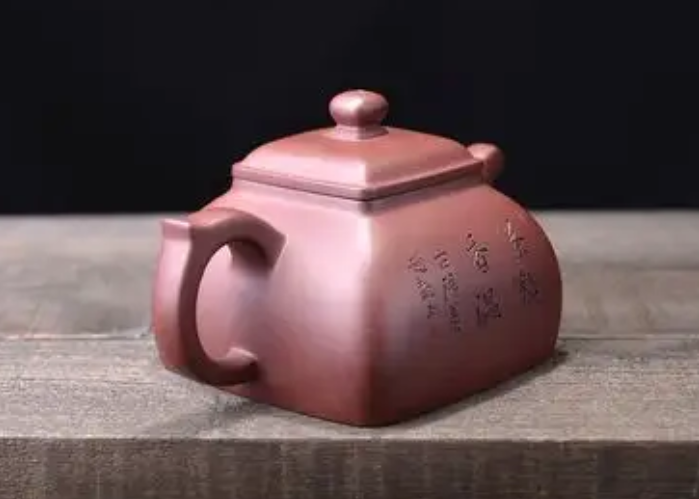

A well-cared-for Yixing purple clay teapot is a timeless companion for tea lovers, evolving with each brew to develop a unique patina and enhance the flavor of tea. However, proper storage when the teapot is not in use is just as crucial as correct cleaning and brewing—it safeguards the clay’s delicate structure, preserves the seasoned patina, and prevents damage like cracks, mold, or odor absorption. Many tea enthusiasts overlook storage, leading to common issues such as clay drying out, patina fading, or even permanent damage. Whether you’re storing a newly seasoned Zi Ni teapot, a rare Zhu Ni piece, or a collection of Yixing teapots for seasonal use, understanding the right storage methods is key to maintaining their value and performance. In this comprehensive guide, we’ll break down the essential pre-storage preparations, step-by-step storage processes for different scenarios, expert tips to avoid common pitfalls, and answers to frequently asked questions. By following these guidelines, you can ensure your Yixing purple clay teapot remains in pristine condition, ready to deliver exceptional brews whenever you’re ready to indulge.
Before storing your Yixing teapot, thorough preparation is non-negotiable—this step lays the foundation for safe, long-term storage and prevents issues like mold growth or residue buildup. The core goal of pre-storage preparation is to ensure the teapot is completely clean, dry, and free of any tea residues or moisture that could damage the clay over time. Here’s the step-by-step pre-storage checklist: First, clean the teapot thoroughly using the gentle methods outlined in our previous guide (avoid harsh chemicals or abrasive tools). Empty any remaining tea leaves, rinse with warm water, and use a soft-bristled brush to remove light residues from the interior, spout, and lid. Second, dry the teapot completely. Wipe the exterior and interior with a clean, lint-free cotton cloth to remove surface moisture, then place the teapot (with the lid slightly ajar) in a well-ventilated, dry area to air-dry for 24–48 hours. For teapots with intricate details or narrow spouts, use a soft, dry brush to reach hard-to-dry areas and ensure no hidden moisture remains. Third, inspect the teapot for any damage. Check for cracks, chips, or loose lid fittings—address minor issues (like loose lid seals) before storage to prevent them from worsening. Finally, if the teapot has been used extensively, consider a light “seasoning refresh” by brewing a small batch of your usual tea, rinsing thoroughly, and drying again—this helps maintain the patina’s richness during storage.
The first and most common storage scenario is short-term storage (1–4 weeks), such as when you’re traveling or taking a brief break from brewing. For short-term storage, the focus is on maintaining a dry, breathable environment without overcomplicating the process. Follow these steps: Step 1: Ensure the teapot is fully dry (per the pre-storage preparation). Step 2: Place a small packet of food-grade desiccant (silica gel or activated charcoal) near the teapot—this absorbs any excess moisture in the air and prevents mold growth. Avoid placing the desiccant directly inside the teapot, as it may scratch the interior or leave residues. Step 3: Store the teapot in a breathable container, such as a cotton bag, linen pouch, or wooden tea box with ventilation holes. These materials allow air circulation, preventing the buildup of stagnant air that can cause odors or mold. Never use airtight plastic bags or sealed plastic containers for short-term storage—they trap moisture and lead to clay deterioration. Step 4: Place the container in a cool, dry, and dark area, away from direct sunlight, heat sources (like stoves or heaters), and strong odors (such as spices, perfumes, or cleaning products). A kitchen cabinet or a dedicated tea shelf is ideal. Step 5: Leave the teapot lid slightly ajar (even when in the bag) to allow residual moisture (if any) to escape—this is a critical step to avoid mold.
For long-term storage (more than 1 month), such as storing seasonal teapots or a collection for an extended period, additional precautions are needed to protect the clay from drying out, fading, or physical damage. Long-term storage requires a balance of dryness, breathability, and protection from external elements. Here’s the detailed process: Step 1: Complete the pre-storage preparation thoroughly, ensuring the teapot is 100% dry—any remaining moisture will lead to mold or clay cracking over time. For extra assurance, air-dry the teapot for 48–72 hours in a well-ventilated area. Step 2: Wrap the teapot and lid separately in acid-free tissue paper or soft cotton cloth. This provides a gentle layer of protection against scratches and dust, while still allowing slight air circulation. Avoid using colored paper or printed fabrics, as the dyes may transfer to the clay and stain the patina. Step 3: Place the wrapped teapot in a breathable, sturdy container. A wooden tea box with adjustable compartments (preferably made of cedar, pine, or paulownia, which have natural moisture-absorbing and insect-repellent properties) is ideal. If using a wooden box, line the bottom with a layer of desiccant to absorb excess moisture. For valuable or delicate teapots, add a layer of foam or soft fabric between the teapot and the box to prevent impact damage. Step 4: Seal the box slightly (leave a small gap for air circulation) and place it in a stable environment. The optimal storage conditions are: temperature between 15–25℃ (avoid extreme cold or heat, which cause thermal expansion and contraction of the clay), relative humidity between 40–60% (too dry dries out the clay, too humid leads to mold), and no direct sunlight (UV rays fade the clay’s color and damage the patina). Avoid storing the box in basements, attics, or near windows—these areas are prone to temperature and humidity fluctuations. Step 5: Check on the teapot every 1–2 months. Open the box, remove the wrapping, and inspect the teapot for mold, odors, or dryness. If the clay feels overly dry, you can lightly wipe the exterior with a dry cotton cloth (do not add water) to redistribute any residual moisture. If using desiccant, replace it every 3–6 months to ensure it remains effective.
Special storage scenarios, such as storing multiple teapots, valuable collectible teapots, or teapots in humid/dry climates, require tailored approaches to address specific challenges. Let’s explore these scenarios in detail: Scenario 1: Storing multiple Yixing teapots. When storing a collection, avoid stacking teapots directly on top of each other—this can scratch the patina or cause cracks. Use a wooden tea cabinet with separate shelves or a box with divided compartments. Wrap each teapot individually in acid-free tissue paper and place a desiccant packet in each compartment. Label each teapot (e.g., “Zi Ni for Pu’er”) to avoid confusion and minimize handling when retrieving. Scenario 2: Storing valuable or antique Yixing teapots. For high-value pieces, invest in a climate-controlled storage cabinet to maintain stable temperature and humidity. Use acid-free, lignin-free tissue paper for wrapping (lignin can cause yellowing of the clay) and avoid any materials that contain sulfur (which reacts with the clay’s iron content and causes discoloration). Consider adding a layer of archival-quality foam around the teapot for extra protection against impact. Scenario 3: Storing in humid climates (e.g., tropical regions). In high-humidity areas, the risk of mold growth is high. Use extra desiccant (replace every 2–3 months) and choose a storage container with enhanced ventilation (e.g., a wooden box with more holes). You can also place a small electric dehumidifier near the storage area to reduce ambient humidity. Avoid storing teapots in closed cabinets without ventilation. Scenario 4: Storing in dry climates (e.g., desert regions). In dry environments, the clay can dry out and crack. To add subtle moisture, place a small bowl of distilled water (not tap water, which contains minerals) near the storage container (do not let the water touch the teapot). Avoid using humidifiers directly on the teapot, as excess moisture can lead to mold. Wrap the teapot in a slightly thicker cotton cloth to retain a small amount of moisture.
To ensure successful storage, it’s essential to avoid common mistakes that can damage your Yixing teapot. Here are the top pitfalls to steer clear of: Mistake 1: Storing a damp teapot. This is the most common and damaging error—moisture trapped in the clay’s pores leads to mold growth, clay deterioration, and unpleasant odors that are hard to remove. Always air-dry the teapot for at least 24 hours before storage. Mistake 2: Using airtight plastic containers or sealed bags. These trap moisture and stagnant air, creating a breeding ground for mold and causing the clay to become brittle. Only use breathable materials like cotton, linen, or wood. Mistake 3: Storing near strong odors. Yixing clay’s porous structure easily absorbs odors (e.g., spices, garlic, cleaning products, perfume), which can permanently taint the teapot’s flavor. Keep the teapot away from kitchens (near stoves), bathrooms, or areas with strong-smelling chemicals. Mistake 4: Exposing to direct sunlight or extreme temperatures. Direct sunlight fades the clay’s natural color and weakens the patina. Extreme heat (e.g., near heaters) or cold (e.g., near windows in winter) causes the clay to expand and contract, leading to cracks. Mistake 5: Stacking or overcrowding teapots. Stacking puts pressure on the clay, causing scratches, chips, or cracks. Overcrowding limits air circulation, increasing the risk of mold. Give each teapot enough space in the storage container. Mistake 6: Using low-quality wrapping materials. Colored paper, printed fabrics, or non-acid-free tissue can transfer dyes or chemicals to the clay, ruining the patina. Stick to unbleached cotton cloth or acid-free, lignin-free tissue paper.
Even with proper storage, you may have questions about retrieving and reusing your teapot. Here are answers to common FAQs: Q1: How do I prepare a stored teapot for use again? First, remove the wrapping and inspect the teapot for mold, odors, or damage. If it’s clean and dry, rinse it with warm (not boiling) water to remove any dust. For long-stored teapots, brew a small batch of tea (discard the first 1–2 brews) to refresh the patina before regular use. Q2: What if my teapot develops mold during storage? If mold is present, clean the teapot gently with warm water and a soft brush. Simmer it with a small amount of your usual tea for 10–15 minutes (let cool naturally), then rinse and air-dry completely in a well-ventilated area. If the mold persists, repeat the process—avoid using chemicals. Q3: Can I store tea leaves inside the teapot? No—storing tea leaves inside traps moisture and causes mold, rot, and unpleasant odors. The teapot should be empty and dry before storage. Q4: How long can a Yixing teapot be stored safely? With proper preparation and storage conditions, a Yixing teapot can be stored for years (even decades) without damage. The key is maintaining stable temperature, humidity, and dryness. Q5: Is it necessary to “season” the teapot again after long-term storage? If the teapot was properly dried and stored, a quick refresh (brewing 1–2 batches of tea and discarding) is usually sufficient. Only re-season if the patina looks dull or the tea flavor feels off.
Proper storage is an essential part of caring for a Yixing purple clay teapot, ensuring it retains its unique performance, beauty, and value when not in use. By following the pre-storage preparation steps, choosing the right storage method for your scenario (short-term or long-term), adapting to specific climate conditions, and avoiding common pitfalls, you can protect the clay’s delicate structure and seasoned patina. Remember, a Yixing teapot is not just a brewing tool—it’s a piece of craftsmanship that ages gracefully with care. Whether you’re storing it for a few weeks or a few years, the effort you put into proper storage will be rewarded with a teapot that’s ready to deliver rich, flavorful brews whenever you return to your tea ritual.