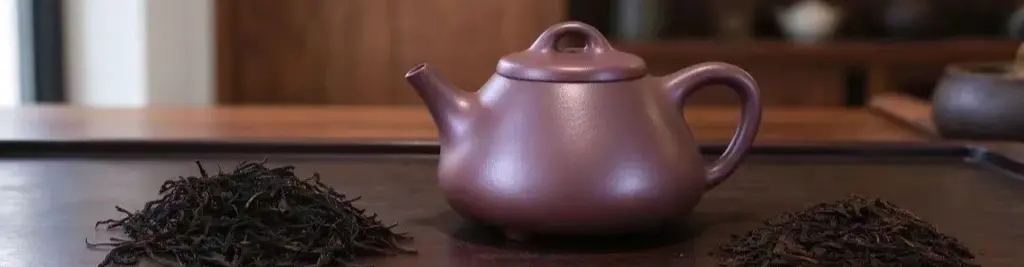
Many tea lovers shopping for their first Zisha teapot tend to focus first on shape and price, while rarely asking about the clay. In truth, the clay is the foundation of a teapot. No matter how attractive the shape is, it will fall short if the clay is unsuitable.
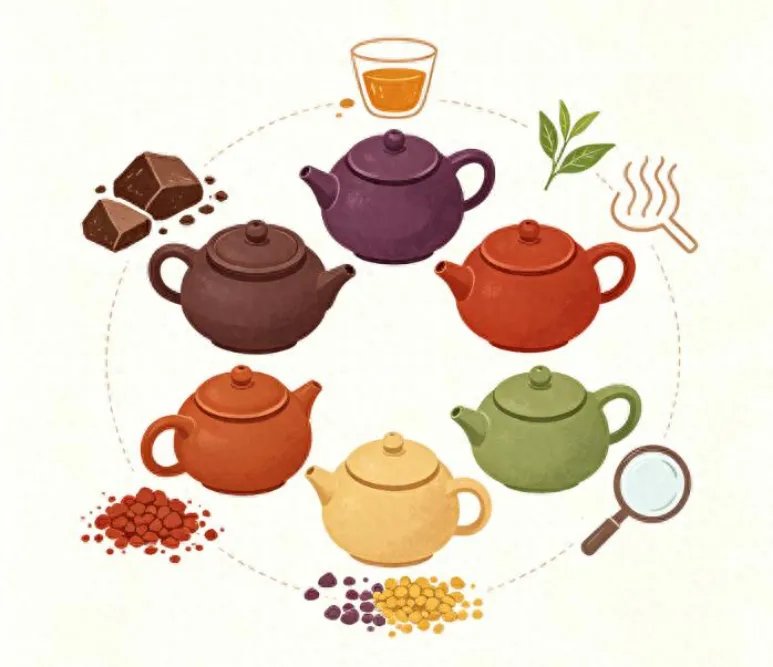
Zisha clay may seem complicated, but it falls into five core categories: purple clay, red clay, duan clay, green clay and jiangpo clay. Each type performs differently and pairs well with different teas. Once you understand these five groups, you can shop with much clearer judgment.
First, four shared properties of genuine Zisha clay.
1. Double-pore structure. This is the key feature that separates Zisha from other pottery. It lets air pass through while holding water inside. Tea will not turn stale easily, and the tea leaves retain their fresh character. The clay absorbs tea aroma over time, so the pot develops its own natural tea scent with regular use.
2. Good workability. The clay has balanced softness, so artisans can form intricate shapes, including plain smooth pots and detailed sculpted pieces.
3. Strong heat resistance. It will not crack when boiling water is poured in, which is especially useful for users in cold regions to avoid damage from sharp temperature changes.
4. Improved appearance with use. With consistent brewing and gentle care, a smooth patina slowly forms on the surface. This natural ageing effect comes purely from the clay itself, different from artificial surface treatment.
With these basics covered, we can look at the unique characteristics of each clay category.
Purple Clay: The reliable choice for beginners
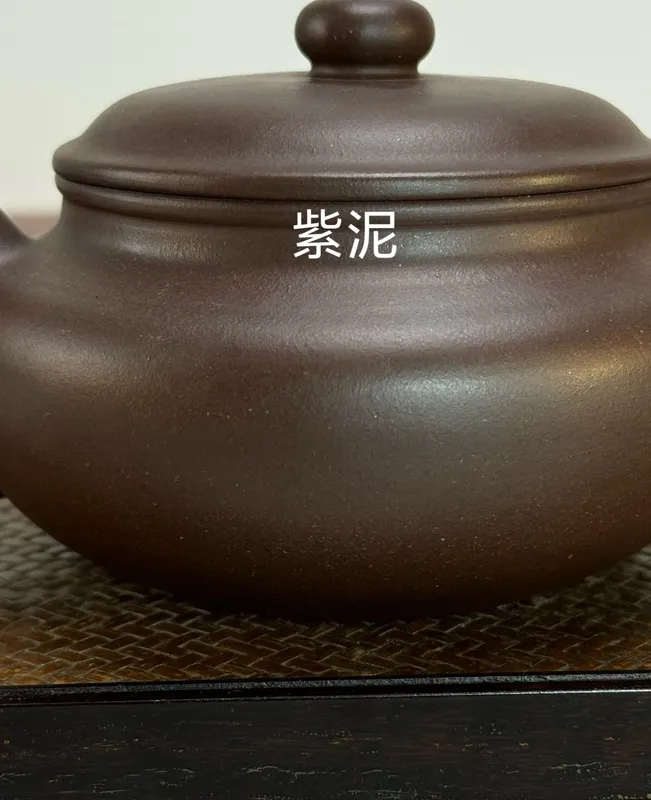
Purple clay is the most common and abundant Zisha clay. It is best described as steady. It is easy to work with, has a shrinkage rate of roughly 10%, and tolerates a wide firing range, reducing the risk of defects during production.
It works well with nearly all teas: raw pu-erh, ripe pu-erh, oolong, black tea and green tea. Its moderate breathability keeps tea from turning bitter and does not overpower the original fragrance. It is a low-stress option for new collectors.
Popular varieties include Dicaoqing, a premium purple clay dotted with natural speckles, firing with subtle golden sand grains and developing a jade-like smooth patina. Tianqing clay is a historic rare clay with a soft sky-blue tone and excellent permeability, sought after by collectors. Qing cement is pure purple clay with consistent colour and stable quality at an approachable price. Blended purple clay mixes base purple clay with small amounts of other clays to adjust colour while keeping dependable performance for daily use.
Red Clay: Ideal for aromatic teas
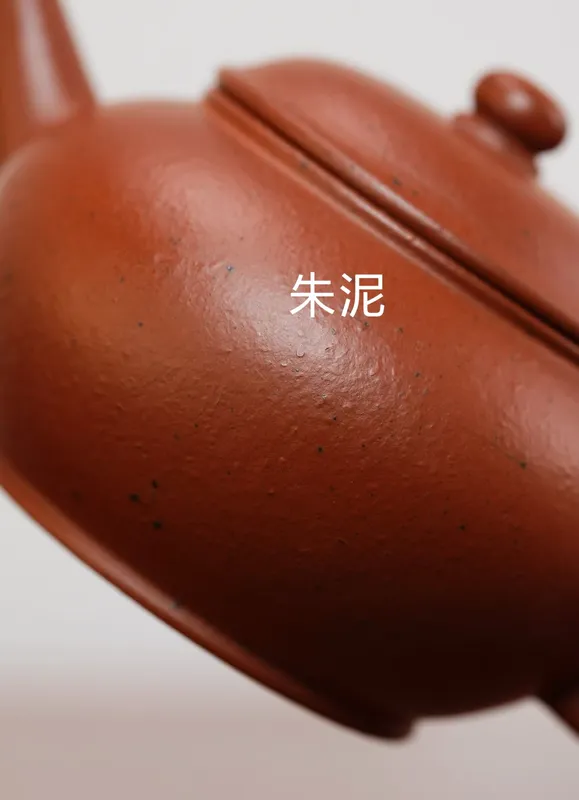
Red clay is mined from the lower section of tender clay seams, with lower reserves than purple clay and high iron content. Its shrinkage rate can reach 20% or higher. The clay body is relatively brittle, making large-sized pots difficult to make, and it demands precise firing control.
Its strength lies in releasing and highlighting tea fragrance. If you enjoy oolong, Tieguanyin, black tea and pu-erh, a red clay pot is a great match. The finished pot carries a warm reddish tone that becomes soft and lustrous with patina.
Xiaohongni is the basic entry option with a warm yellowish-red hue and smooth texture for everyday use. Zhuni is a refined premium red clay, available in yellow and red variants. It features fine grains, high iron content, high shrinkage and low yield, and excels at lifting tea aroma. Dahongpao clay is an uncommon Zhuni variant that fires into a striking rich red and is valued for collection.
Note that Zhuni pots have a low success rate in firing. Many high-priced Zhuni pots on the market require careful inspection. Some chemically treated clays also show bright red colour, yet they will not develop a natural soft patina after long brewing.
Duan Clay: Among the most breathable Zisha clays
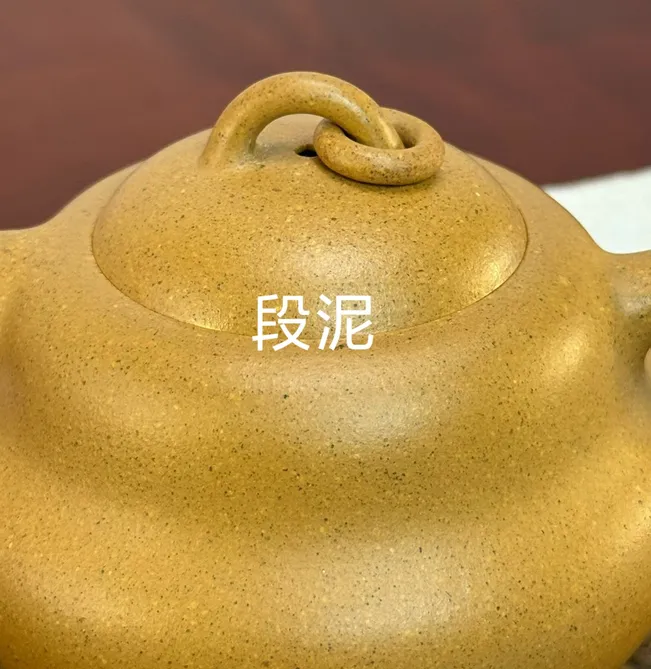
Duan clay forms as a natural ore mix of purple and green clay, or a blended clay type. It has obvious granular texture, distinct layers and outstanding breathability. Its muted earthy look carries a quiet, classic aesthetic.
It pairs wonderfully with pu-erh, especially raw pu-erh, Tieguanyin and green tea, bringing out layered flavour and aged notes in tea liquor.
Gold Duan has a bright golden tone with rich grain details and is widely popular. Grey Duan fires into calm ash grey with a minimalist, meditative style favoured by seasoned tea users. Aged Duan clay has undergone long ageing, stable clay properties and develops deep, oily patina over time.
Green Clay: Gentle flavour for lightly oxidised tea
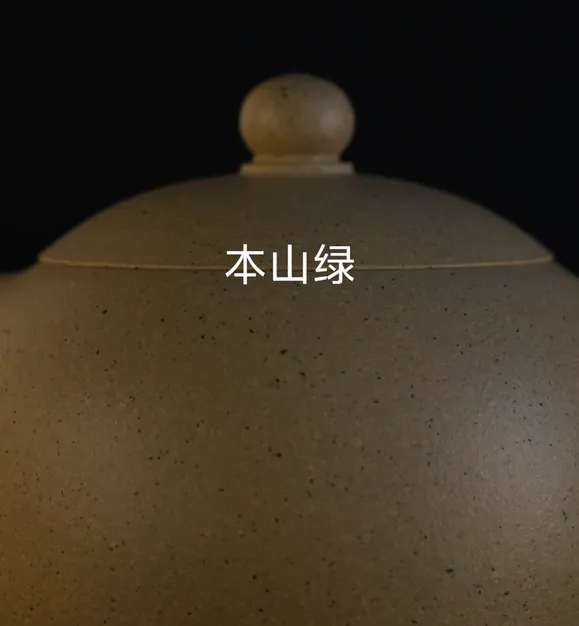
Raw green clay ore is pale green. It is not abundant, relatively soft with high sand content, and needs high firing temperature. It is stable after firing, though trickier to shape.
It features a fresh, subtle colour and great permeability. It suits green tea, raw pu-erh and white tea, preserving the bright, fresh taste of lightly oxidised teas.
Benshan Green Clay comes from Huanglong Mountain, firing into cream or light brown with fine texture and great breathability, forming a jade-like patina. Sesame Green Clay has scattered dark mineral specks for a distinctive rustic look.
Jiangpo Clay: Unique mixed ore discovered during road construction
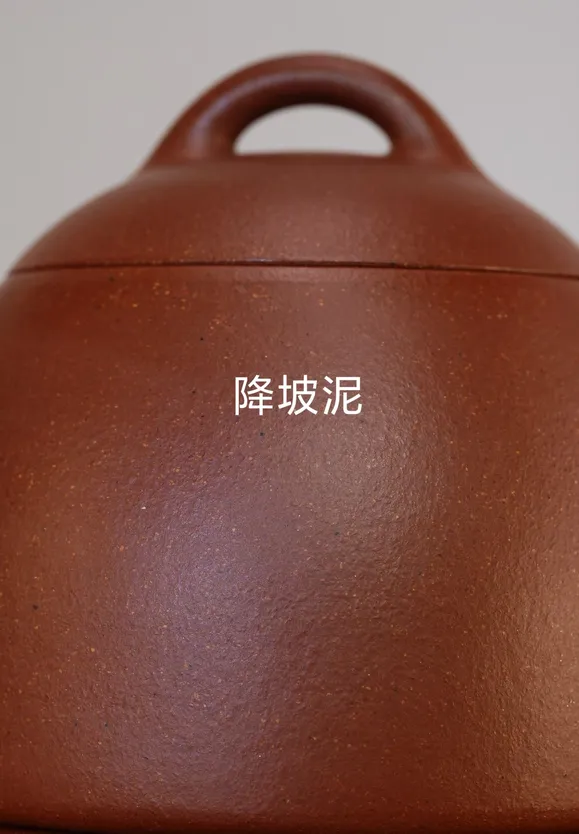
Jiangpo clay is a mixed ore discovered when local roads were built, containing purple, red and duan clay components. Mixed red, yellow and purple grains create rich, colourful texture with prominent sandy character.
It breathes very well and develops patina quickly. Since every piece carries a one-of-a-kind grain pattern, it holds good appreciation and collection value. It is versatile and compatible with most tea types.
Red Jiangpo leans red, dominated by red grains mixed with yellow and purple specks, warming further with use. Yellow Jiangpo features bright yellow grains and suits lightly oxidised teas.
In closing, there is no absolute “best” Zisha clay, only the most suitable one for your tea. Pick purple clay if you mostly drink ripe pu-erh; red clay if you love fragrant Tieguanyin; duan clay for layered raw pu-erh; green clay for fresh green tea; and jiangpo clay if you enjoy unique natural grain patterns.