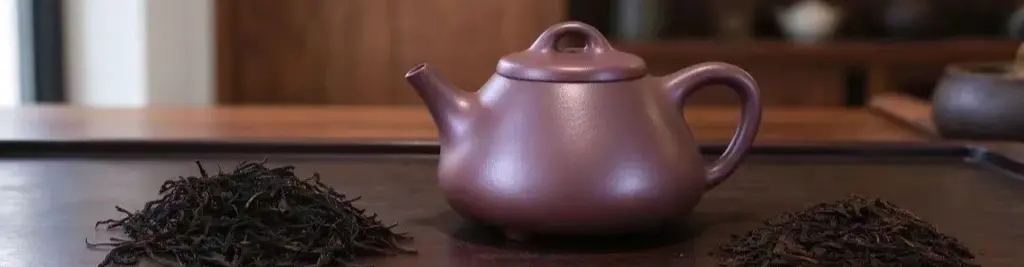
The unique double-pore structure of Zisha teapots makes them excellent tea brewing vessels. But only when the right teapot pairs with the right tea can you maximize the flavour of tea soup. The core logic of teapot selection lies in how the teapot shape affects water temperature, heat dissipation and space for tea leaves to expand.
It is worth noting that you can brew any type of tea in any Zisha teapot. If you are not strict about tea tasting, simply choose the shape you love based on aesthetics. The flavour difference brought by teapot shapes can only be noticed by highly experienced tea drinkers; over 95% of people cannot taste this subtle change.
Below is our practical pairing guide for different teas and Zisha teapot shapes. These conclusions come from 8 years of selling and studying Zisha teapots, for reference only, not authoritative standards.
Oolong Tea & High-Aroma Teas
Oolong teas including Tieguanyin, Fenghuang Dancong and Wuyi rock tea feature prominent fragrance and layered charm. They require high brewing temperature and good aroma retention.
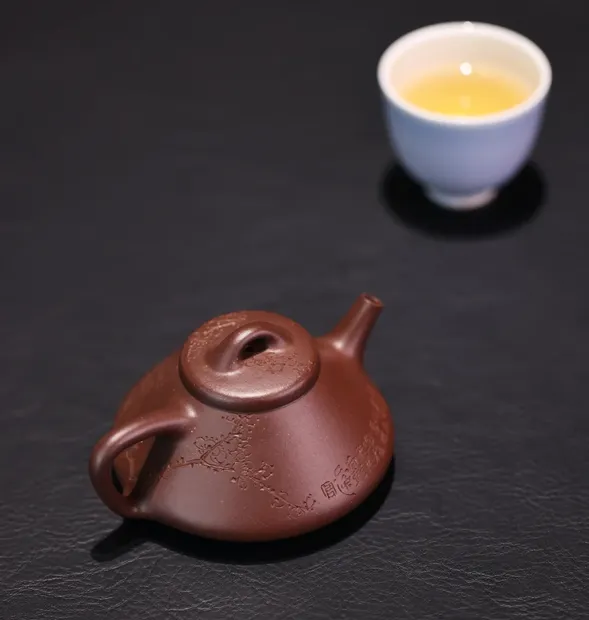
Recommended Shapes: Xishi Teapot, Shuiping Teapot, Pear-shaped Teapot, Duoqiu Teapot
These teapots usually have round, full bodies with narrow openings that lock aroma efficiently. Small capacity from 150ml to 200ml paired with Zhuni or Hongni clay heats up quickly to release bright floral and fruity notes. They pour smoothly, perfect for fast infusion to avoid bitter taste.
Black Tea & Ripe Pu-erh Tea
Black tea and ripe pu-erh rely on steady heat to bring out sweet, mellow and rich flavour, with enough inner space for tea leaves to unfurl.
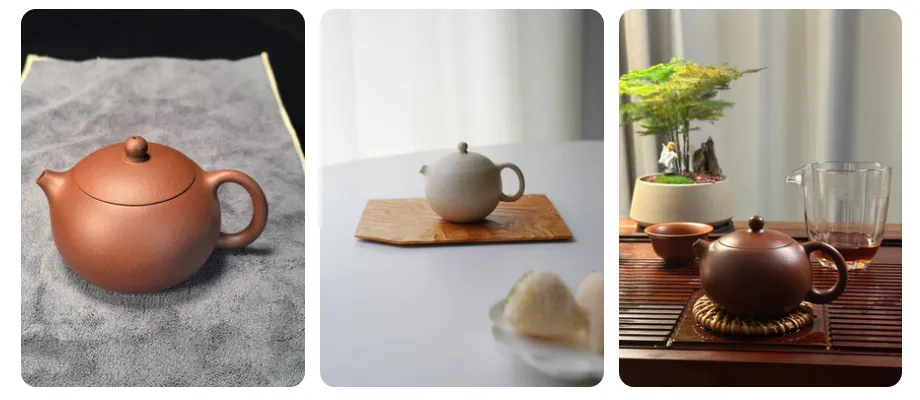
Recommended Shapes: Qinquan Teapot, Fanggu Teapot, Shipiao Teapot, Rongtian Teapot
Tall or big-belly designs such as Qinquan and Rongtian retain heat well to develop honey aroma of black tea and aged earthy flavour of ripe pu-erh. Fanggu teapots with wide mouth and round body balance aroma and mild taste. Recommended capacity: 200–250ml with Zini or Hongni clay.
Aged White Tea & Dark Tea
Aged white tea, Anhua dark tea and Liupao tea are post-fermented teas. They tolerate high temperature and multiple infusions, needing reliable heat retention and ample room for leaves to expand.
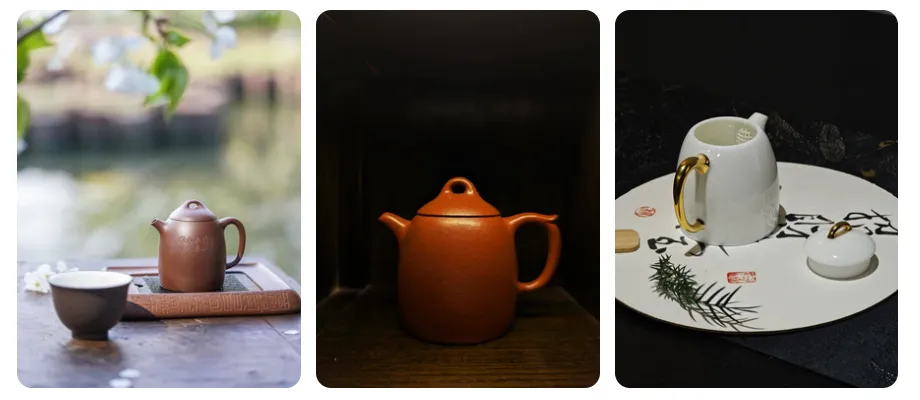
Recommended Shapes: Hanwa Teapot, Dabin Tilting Handle Teapot, Jinglan Teapot, Large-belly Shipiao Teapot
Tilting handle teapots and Hanwa teapots often come in larger sizes with wide belly, easy for tea loading and leaf expansion. They hold heat nicely to bring out jujube and medicinal aroma of aged white tea. Jinglan teapots offer stable and moderate heat dissipation for thick dark tea flavour.
Green Tea & Yellow Tea
Green tea and yellow tea are famous for fresh brisk taste. They are sensitive to high heat and easily turn bitter or get cooked flavour if over-steamed.
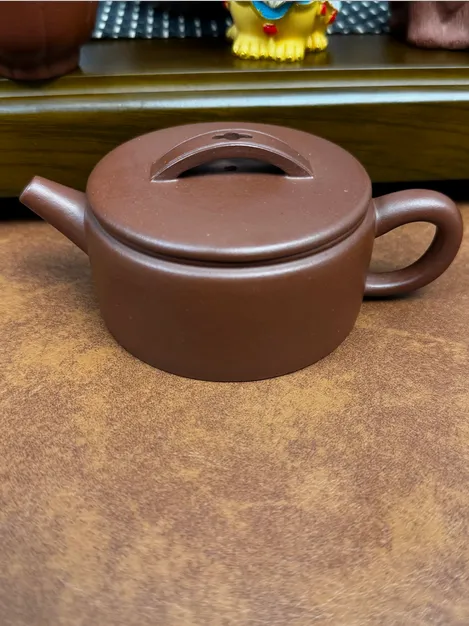
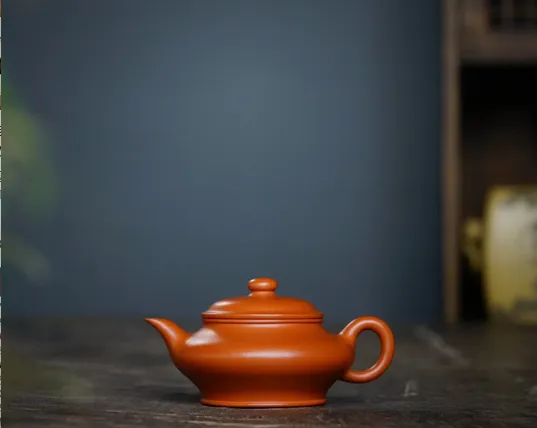
Recommended Shapes: Xubian Teapot, Hehuan Teapot and other low-profile wide-mouth teapots
Flat, wide-opening teapots release heat quickly and protect tender buds from overheating. Duanni or Lvni clay with great permeability works best, capacity 200–250ml.
Tips: Glass cups are more recommended for green tea, so you can watch the tea leaves unfurl and control temperature easily. If you use Zisha teapot, pour out quickly in first several infusions and open the lid to release heat.
Raw Pu-erh Tea
Raw pu-erh, especially newly produced raw pu-erh, has rich aroma layers and clean brisk soup. It is easy to get stewed under excessive heat and needs good air permeability.
Recommended Shapes: Dezhong Teapot, Ziye Shipiao Teapot, Juban Teapot
Medium-sized round or square teapots with spacious belly allow full expansion of tea leaves. Great breathability preserves aroma without trapping stale heat. Zini or Duanni clay brings out pleasant sweetness and saliva production of raw pu-erh.
Three Core Rules for Choosing & Curing Zisha Teapots
One teapot for one tea: The double-pore structure absorbs tea scent. If you brew different teas in one pot, for example ripe pu-erh then green tea, odour mixing will ruin the taste.
Pay attention to clay type: Zhuni clay has high density and excellent aroma locking, ideal for high-fragrance oolong and black tea. Zini clay is versatile, perfect for pu-erh and dark tea to show mellow flavour. Duanni clay breathes well and dissipates heat fast, suitable for green tea, young white tea and raw pu-erh.
Best pick for beginners: If you are unsure what tea you drink most, start with a 180–200ml Xishi teapot or Shipiao teapot made of raw Zini clay. These two are classic all-round choices friendly for new tea lovers.