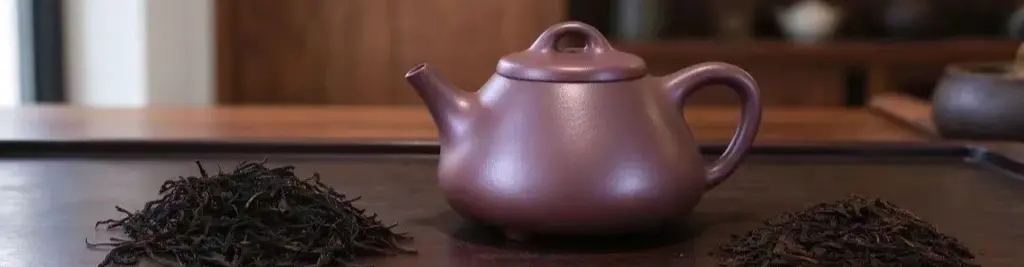
Many tea lovers own more teapots than they can use every day. When you plan to set aside a Chinese Clay Teapot for weeks or months, casual storage can create hidden problems. Dust, moisture and sudden temperature changes may ruin the clay, leave stubborn mold spots, or even lead to invisible cracks. Good storage is not just putting it in a cabinet, it follows a clear routine starting from cleaning and drying.
The first rule is to make sure the teapot is completely clean before storage. Empty all tea leaves and rinse every corner with warm water. Do not use soap or chemical cleaners. Any leftover tea residue will turn moldy in closed storage and leave dark stains that are very hard to remove from porous clay. Wipe the surface gently with a soft tea cloth, then leave the lid open instead of locking it tight. This step is critical, because trapped moisture inside is the main cause of mildew.
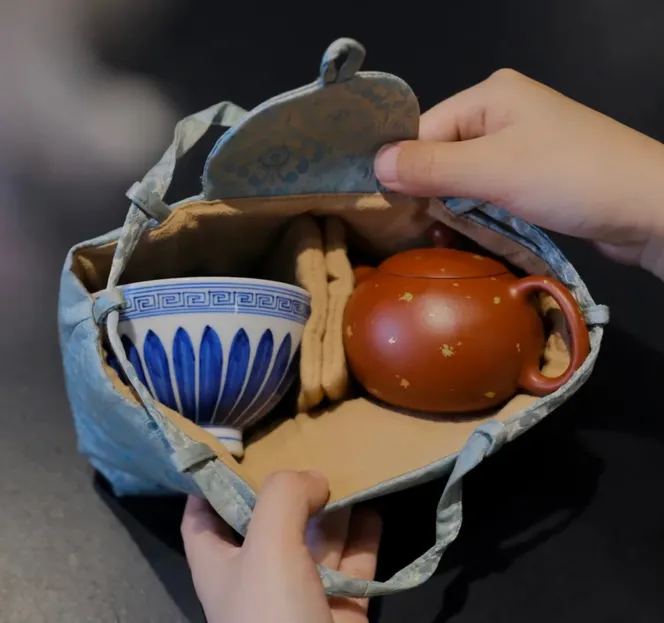
Full air drying takes more time than most people expect. Even if the outside looks dry, tiny water droplets can stay hidden inside the micro pores. Place the teapot in a cool, shaded place with steady room temperature. Keep it away from direct sunlight, heaters and air conditioning vents. Fast drying from heat or strong sunlight creates uneven stress inside the clay, which may cause fine hairline cracks later when you use it again. For safe long-term storage, let it dry for at least two to three days before packing away.
When it is fully dry, you can prepare it for storage. Wrap it loosely with soft cotton cloth or non-woven fabric. Avoid plastic wrap and sealed plastic bags. Plastic traps moisture, and it may stick to the clay surface if the temperature rises. You can put a small dry paper bag beside the teapot to absorb extra moisture in the cabinet. Store it separately from heavy items to prevent knocks and scratches. Do not stack other teapots or hard objects on top of it.
Pick a suitable storage spot. A stable wooden cabinet indoors works best. Avoid basements, damp closets or places near kitchens where steam gathers. If you live in a humid climate, check the teapot once every month. Take it out, air it for a few hours and check for mold. When you are ready to use it again, rinse it with warm water and preheat it slowly. With this method, your Chinese Clay Teapot can stay in great condition for years while waiting for the next brew.