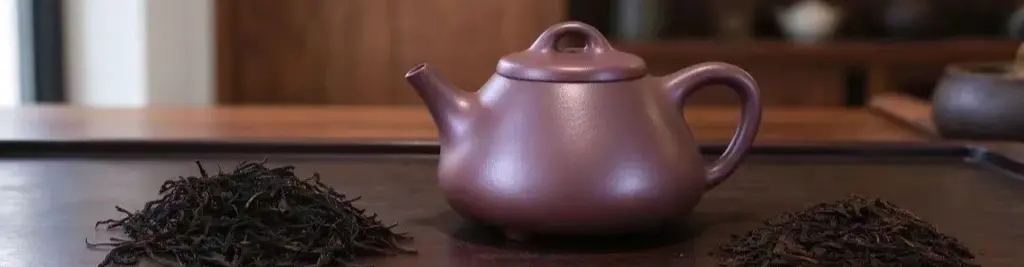
It is quite common to find a loose lid on a Chinese Yixing Clay Teapot, especially after you have used it for a period of time. Many tea lovers rush to look for repair shops immediately, but not every loose fit means the teapot is defective. The sealing condition can change with temperature and moisture, and some small gaps are actually normal. Before trying any repair work, you need to figure out why the lid becomes loose in the first place.
The most frequent reason is thermal expansion difference. When you pour hot water into the pot body, the clay expands. If the lid and the pot body expand at slightly different rates, the fit will turn loose temporarily, and this kind of looseness will disappear once the teapot cools down completely. This is a natural physical change and does not need any repair. You can test it by checking the fit when the teapot is fully cold. If it fits tightly at room temperature, there is no problem with the pot.
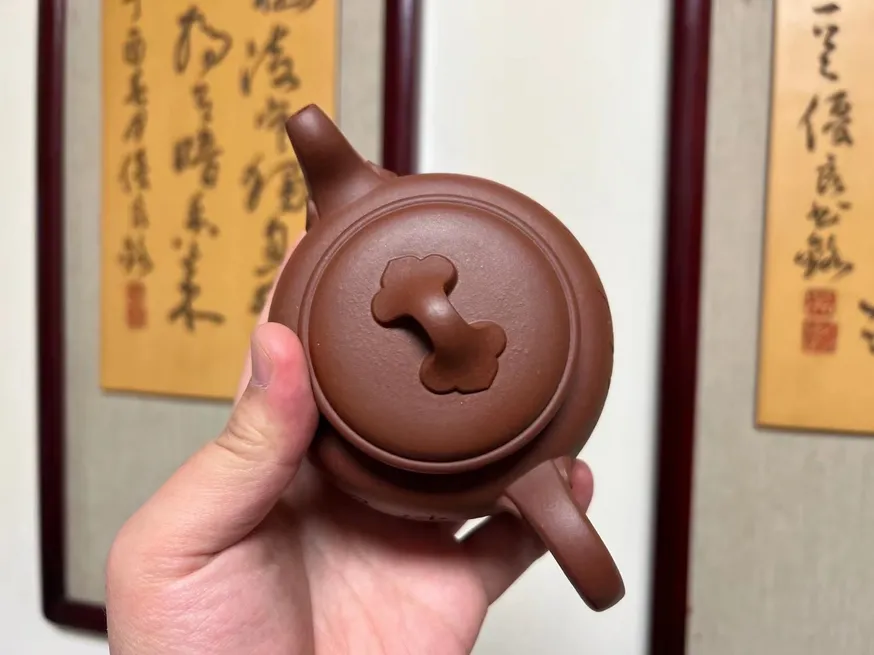
If the lid stays loose even when the teapot is cold, the problem usually comes from the lid ring or the mouth rim. Minor bumps and scratches during daily use can wear away the contact surface. Some handmade pots also have slight fitting gaps from the making process. Do not try to sand the rim roughly with sandpaper by yourself. Rough grinding will remove too much clay, ruin the original shape and make the gap even worse. The porous clay can also absorb tiny sand particles, which will contaminate your tea later.
The safest home method is polishing with fine wet sandstone powder or professional clay polishing paste for zisha ware. Wrap the polishing material on a soft wooden stick, gently polish the contact ring evenly, and test the fit little by little. You only remove an extremely thin layer each time. After polishing, rinse the pot thoroughly many times and soak it in clean water for several hours to wash away all powder residue. For serious uneven gaps or cracked lid rings, it is better to send it back to an experienced Yixing potter. Professional makers can regrind the mating surface accurately without destroying the overall look of the teapot.
One important tip: a perfect airtight lid is not always necessary. A tiny uniform gap is helpful for air flow, which makes pouring smoother and prevents the lid from popping up when you brew tea. You only need to fix it when the gap is too big, the lid wobbles easily, or tea leaks heavily from the rim while pouring.