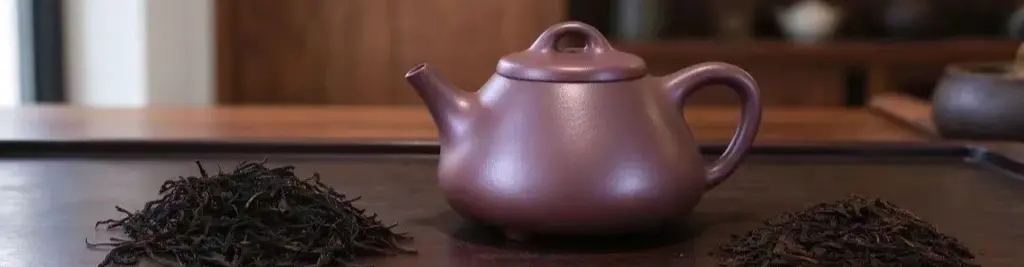
When you look inside the spout of a Zisha Teapot, you may notice more than one water inlet hole. This structure is known as a double hole spout, and it is a practical design choice made by potters, not just a decorative feature. Many new tea buyers do not know what this design does, and they often compare it with single hole spouts when shopping for their first teapot.
The double hole spout means two separate small openings connect the teapot chamber to the spout channel. The main purpose of this design is to stop loose tea leaves from blocking the water flow while pouring. Fine broken tea leaves and small tea crumbs are very easy to get sucked into a single narrow hole and jam the spout. Once blocked, the tea drips slowly or stops pouring suddenly, which ruins your brewing rhythm and creates mess on the tea tray.
It also helps deliver a smoother, steadier water stream. The two holes balance the water pressure as you tilt the pot. With a stable flow, you can control the pouring speed more easily, which matters a lot for gongfu tea brewing. A clean, continuous stream lets you time each steep precisely, so you avoid over-extracting the tea and getting bitter liquor. Still, a double hole design is not always better for every situation.
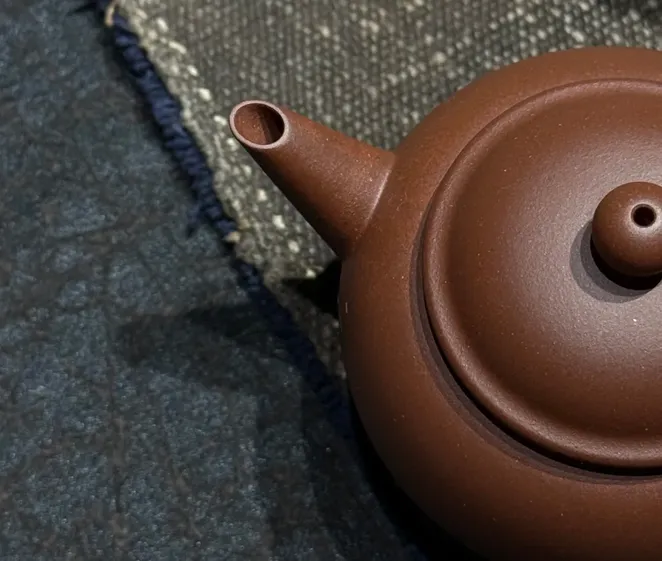
There are some limits you need to know. If you brew large, whole tea leaves, a single hole spout usually works perfectly fine. Whole leaves do not move easily into the spout opening, so blockage rarely happens. Double hole spouts shine best when you use crushed tea, broken oolong, or ripe pu-erh that comes with many fine particles. Some complex multi-hole spout designs with three or more holes exist, but double holes are the most widely used balance between anti-clog performance and simple craftsmanship.
One common misunderstanding: the double hole spout cannot filter tea completely like a built-in mesh strainer. It only reduces the chance of blockage. Tiny fine dust can still flow out with the tea water. Also, check the finishing quality. Rough edges around the holes can collect tea residue and build up tea rust over time. A well-made double hole spout has smooth, neatly trimmed holes that are easy to rinse clean after each use.