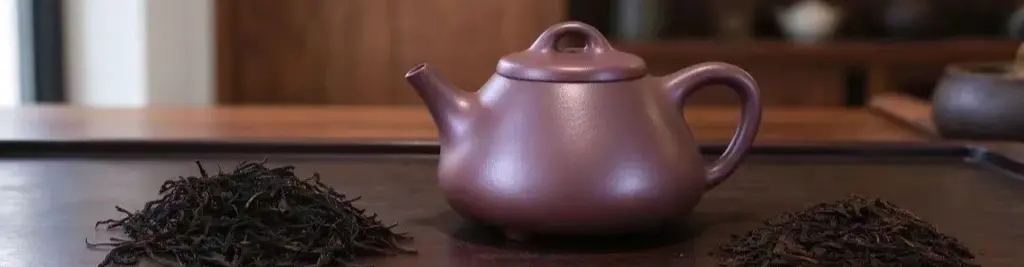
Why sudden cold rinsing creates thermal shock
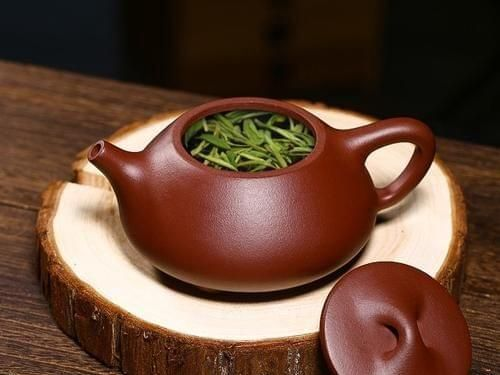
Yixing Zisha clay is fired at high kiln temperatures, but it cannot handle rapid temperature swings. When your teapot stays hot right after brewing, cold tap water hits its surface instantly. The outer clay contracts quickly while the inner wall remains expanded, building stress inside the mineral structure. Tea lovers call this thermal shock, and it is the top reason for cracked purple clay ware.
Which Yixing Zisha Teapots face higher risk
Yixing Zisha clay teapots vary in sensitivity. Thin-walled pieces and Zhuni clay teapots are far more sensitive. Older vintage pots, or pots that already carry tiny invisible micro-fractures, are also easier to fail. Even if you see no crack immediately, repeated cold rinsing slowly weakens the clay, and damage may show weeks later.
What happens after repeated cold rinses
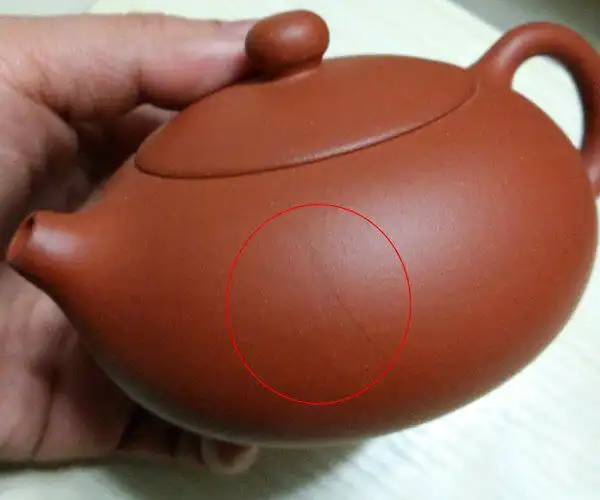
Sometimes a single cold rinse does not break the pot outright. Still, micro-cracks form inside the clay body. These hidden lines ruin the pot’s integrity over time. They also disrupt the natural patina growth, trap tea residue, and make the pot leak eventually. This subtle damage is hard to spot until it is too late.
Safe rinsing routine for your Yixing Zisha Teapot
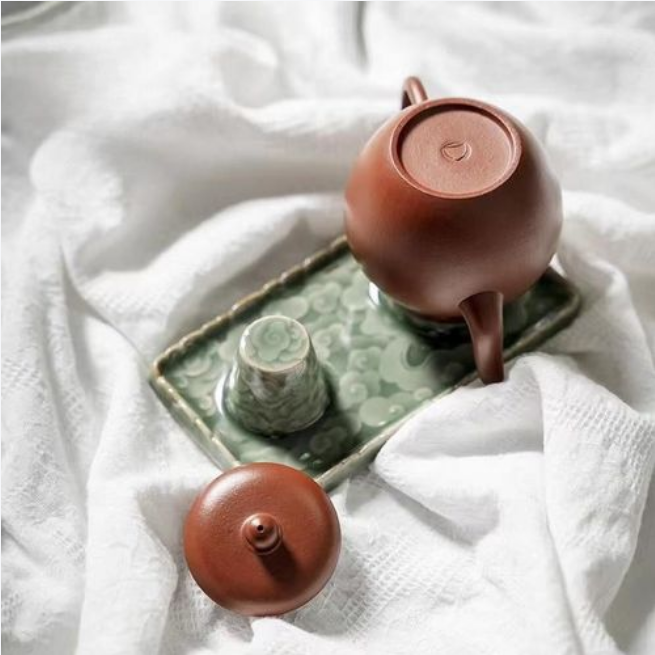
Once you finish a gongfu tea session, empty out tea leaves. Use warm or hot water matching the pot’s temperature to rinse inside and outside. Never shock it with cold tap water while it is still hot. Leave the lid slightly ajar and let it air dry slowly at room temperature. This simple habit keeps your clay intact and helps patina develop evenly.
Quick tips for cold weather use
The risk rises in cold winter months. If your teapot sits in a chilly room, pre-warm it with warm water before pouring boiling tea. Do not set a hot pot on cold stone trays either. Small steps reduce temperature gaps and protect your Yixing clay teapot from thermal shock damage.