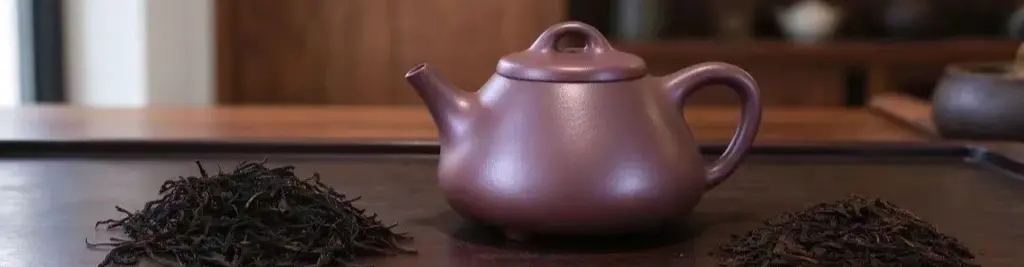
Firing is one of the most critical steps for a Handmade Yixing Teapot. If the temperature is too low or too high, the clay’s structure will be damaged, no matter how beautiful the shape looks. Learning a few easy checks helps you avoid poorly fired pots that will bring trouble later.
An underfired teapot did not reach the required heat during firing. The clay body stays soft and porous beyond the safe range. It feels lighter than expected for its size, absorbs water extremely fast, and can easily soak up stains that never wash away. Underfired clay is fragile, prone to mold, and it may crack under sudden temperature shifts. When tapped, it makes a dull, thud-like sound instead of a clear tone.
Overfired Zisha clay is heated past its ideal range. The clay vitrifies too much, closing most of its natural pores. The pot becomes very dense and heavy. It loses the signature breathing ability of Zisha, so it can no longer improve tea flavor. Tapping it creates a sharp, glassy ring. Overfired pots are less likely to crack from heat shock, but they defeat the main reason people choose a Yixing Zisha Clay Teapot.
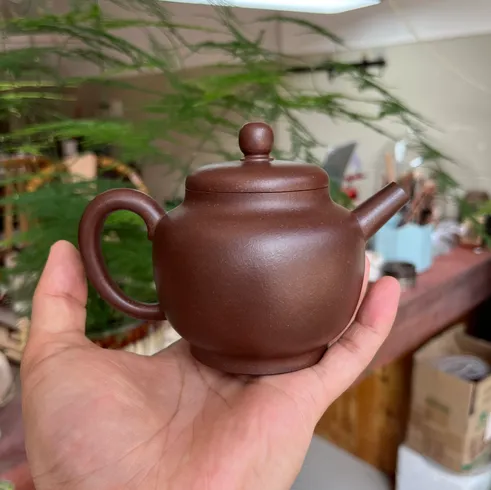
A properly fired Zisha teapot strikes a balance. It has moderate water absorption, a solid but not glassy ring, and a dry, natural surface texture. It resists heavy staining while still letting tea oils build gentle patina over time. Avoid sellers who only highlight appearance without mentioning firing quality.