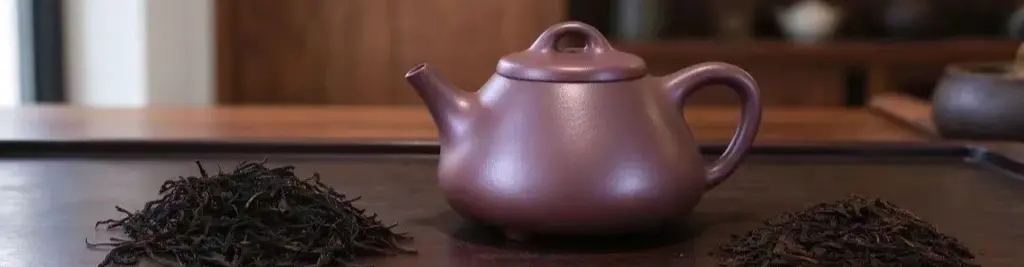
It is one of the most common questions from new zisha teapot owners: can you use regular dish soap to clean a Chinese Zisha Teapot after brewing tea. The short answer is better not to, even if the soap works great for your glass cups and ceramic mugs. The unique porous nature of zisha clay sets it apart from other tableware, and harsh cleaning products will leave lasting damage you may not notice right away.
Dish soap contains surfactants, fragrances and oil-cutting agents designed to strip grease away. These chemical residues easily get trapped inside the tiny open pores of zisha clay, and they are nearly impossible to rinse out completely. Once soap stays inside the clay, every time you pour hot tea into the pot, the heat will release those leftover chemical flavors. Your tea will taste weird, soapy or flat, and the delicate built-up tea aroma from past brewing will disappear. This also stops the teapot from forming smooth, natural patina over months of use.
Some people argue that they rinse the pot many times after using soap, so it should be fine. Even with repeated rinsing, the porous clay still holds trace amounts of detergent. Fragranced dish soap is especially harmful, as the artificial scent will linger inside the clay for a very long time. You cannot wash away embedded smells from zisha clay the same way you clean non-porous porcelain.
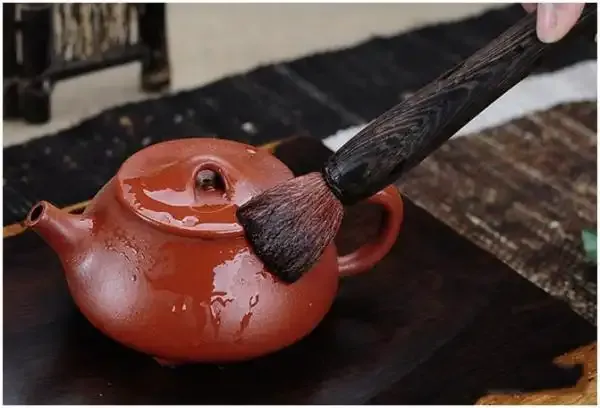
The safe cleaning routine is simple and effective. Right after you finish drinking tea, empty all used tea leaves. Rinse the inside and outside of the teapot with warm clean water. You can gently wipe the interior with a soft tea cloth or your hand, no scrubbing tools needed. Leave the lid ajar and place the teapot in a cool, shaded spot to air dry fully. Stubborn tea stains can be soaked in plain warm water for a short while, then wiped off. Never use soap, bleach, scouring powder or strong cleaners on your zisha teapot.