about us
Every product is shipped directly from its place of origin.
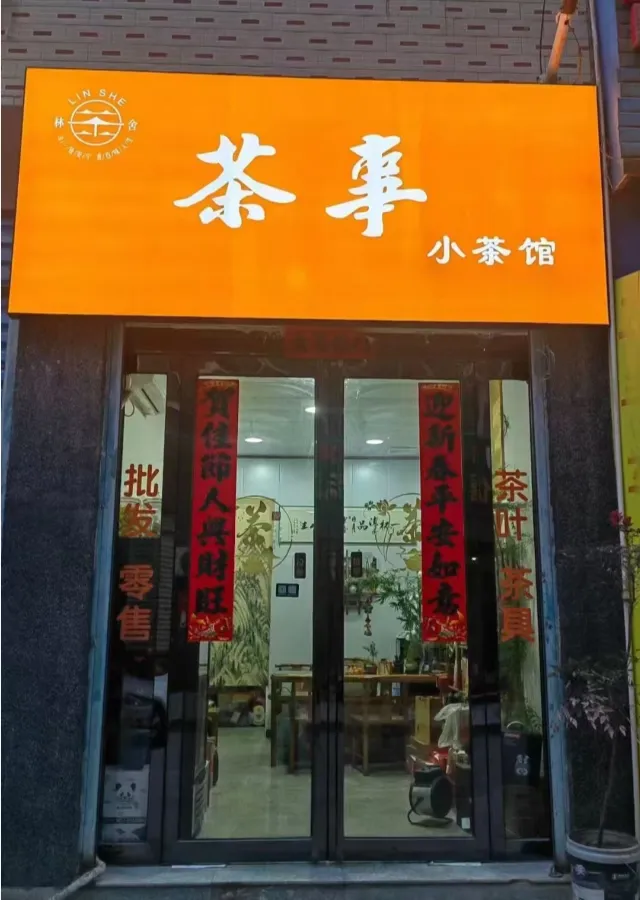
Our physical store in Fuping, China is named “Linshe Tea House”, and our online shop is called “Jianghu Teapot”.. All products ship directly from our store or manufacturers to guarantee authenticity and quality for each order.
High customer satisfaction rate
Our customers consistently express high satisfaction with our products. We place the utmost importance on preserving the authentic quality of each item, rather than focusing on rushed delivery.
Physical Store Quality, Earned with Dedication.
Authentic in-store quality you can trust! We solemnly promise every online product matches the ones sold in our physical shop, with no compromises on materials or craftsmanship.
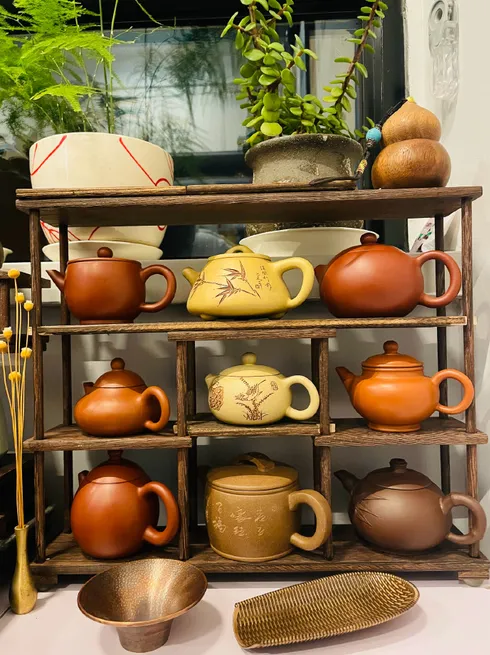
Originated in Yixing China, Zisha teapot is one of the most respected hand‑crafted tea wares with hundreds of years of history. Made from unique porous mineral‑rich purple clay, each authentic Yixing Zisha teapot is shaped and finished by skilled artisans through multiple traditional hand‑making steps, no mass‑molded machine production. The special clay improves your tea brewing experience, preserving tea aroma and bringing richer flavor for loose‑leaf tea. Our collection covers different clay types, capacities and classic shapes, for daily brewing, collection or gift‑giving. Browse our hand‑picked Zisha teapots below and find your perfect tea companion.
Premium Yixing Purple Clay Teapot
View All Teapots
-
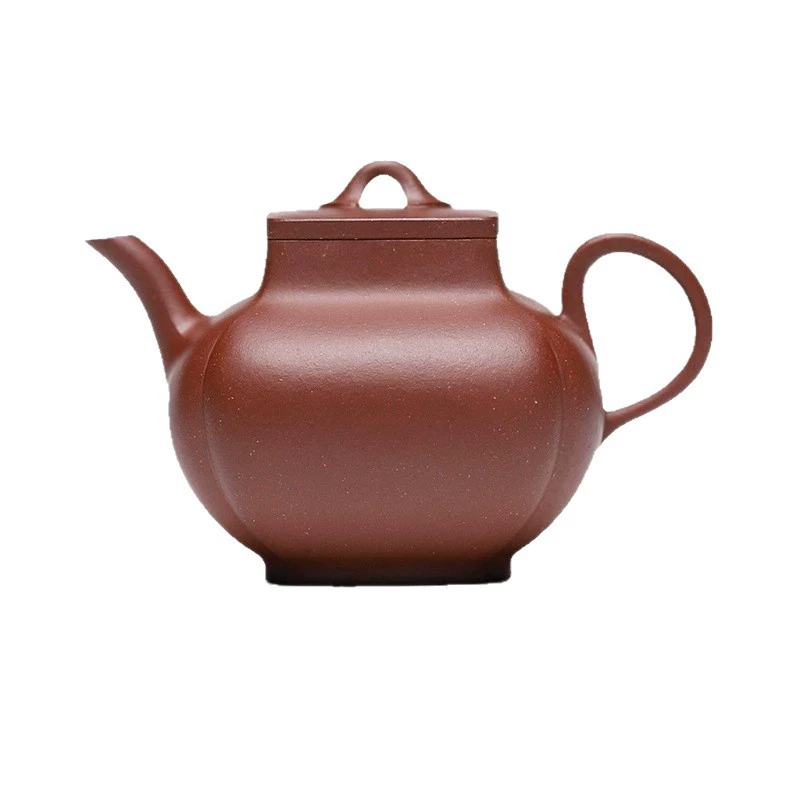
Handmade Square Lanting Zisha Teapot 300ml Family Raw Ore Zini Clay
710.00$ -
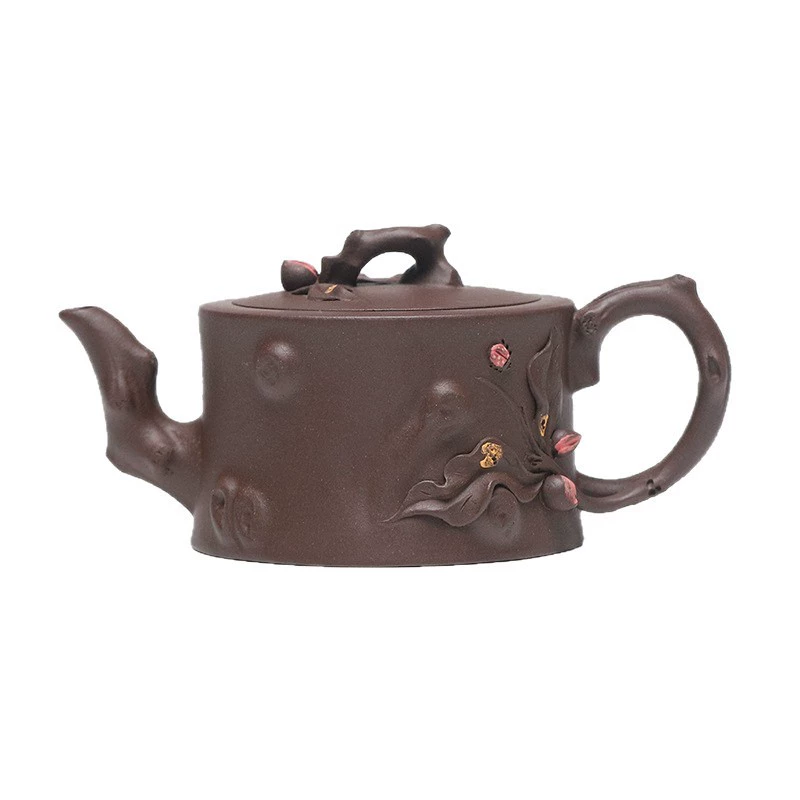
Chinese Tree Stump Shaped Yixing Clay Teapot
195.00$ -
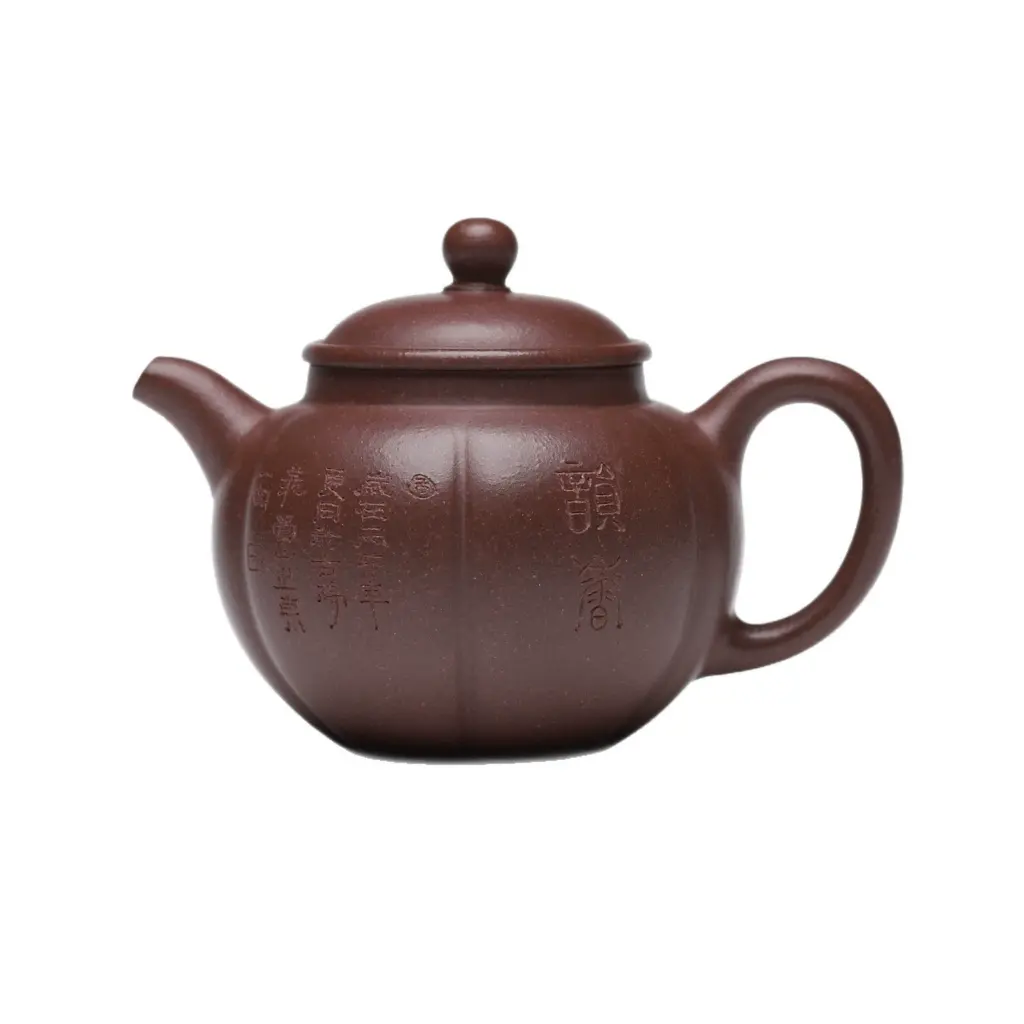
Semi Handmade Pumpkin Zisha Teapot 260cc
150.00$ -
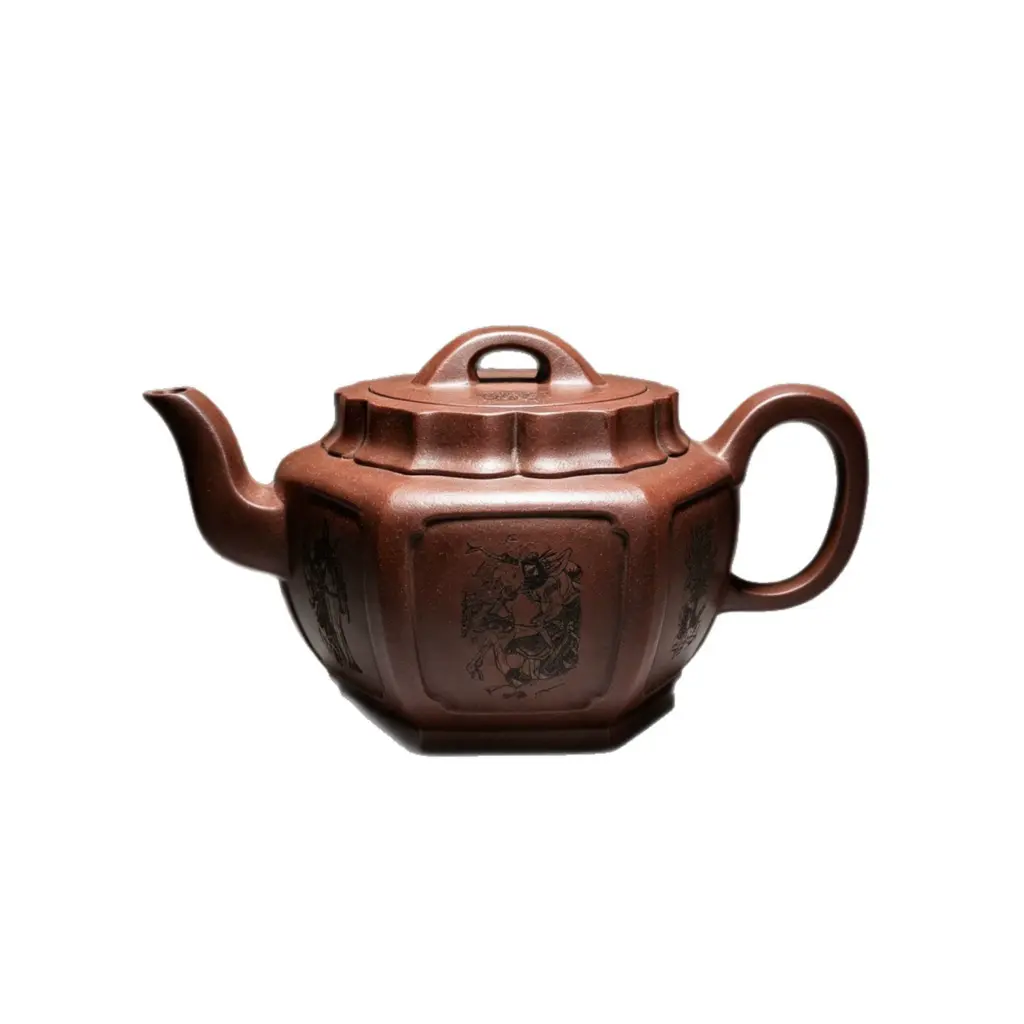
Semi-handmade Six-sided Zisha Teapot Engraved with Five Tiger Generals
188.00$ -
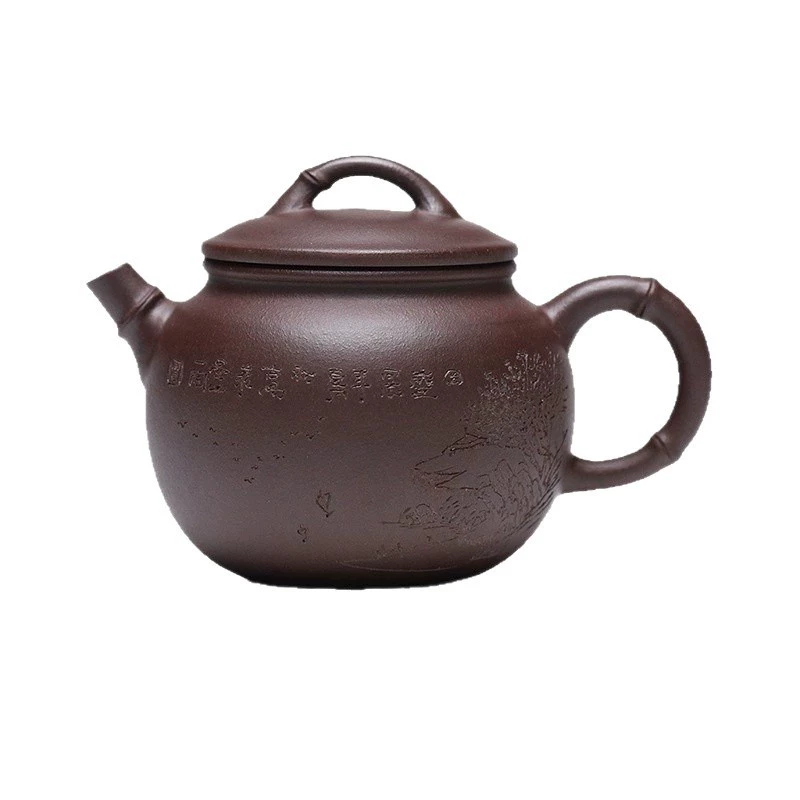
Semi-handmade Fortune Bag Yixing Zisha Teapot, 250ml
125.00$ -
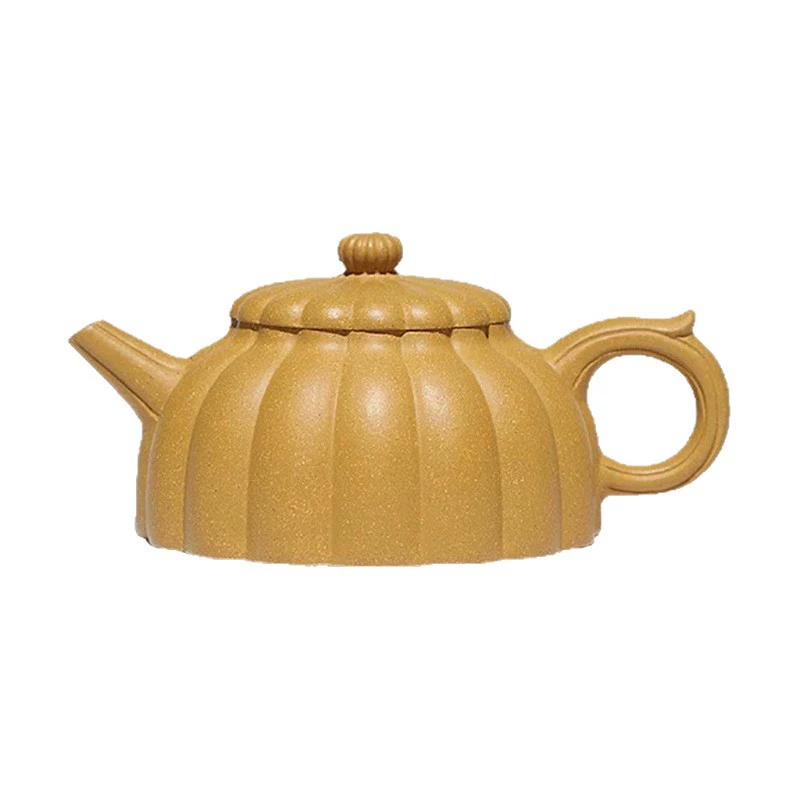
Handmade Ribbed Chrysanthemum Yixing Clay Teapot
235.00$ -
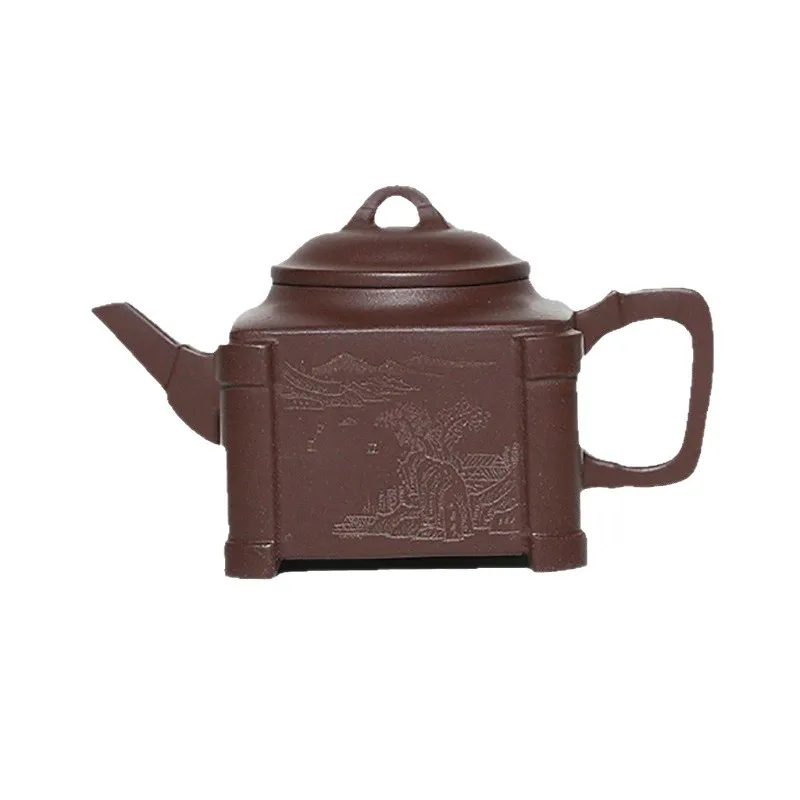
Zini Clay Handmade Square Jinzhu Chinese Zisha Teapot
240.00$ -
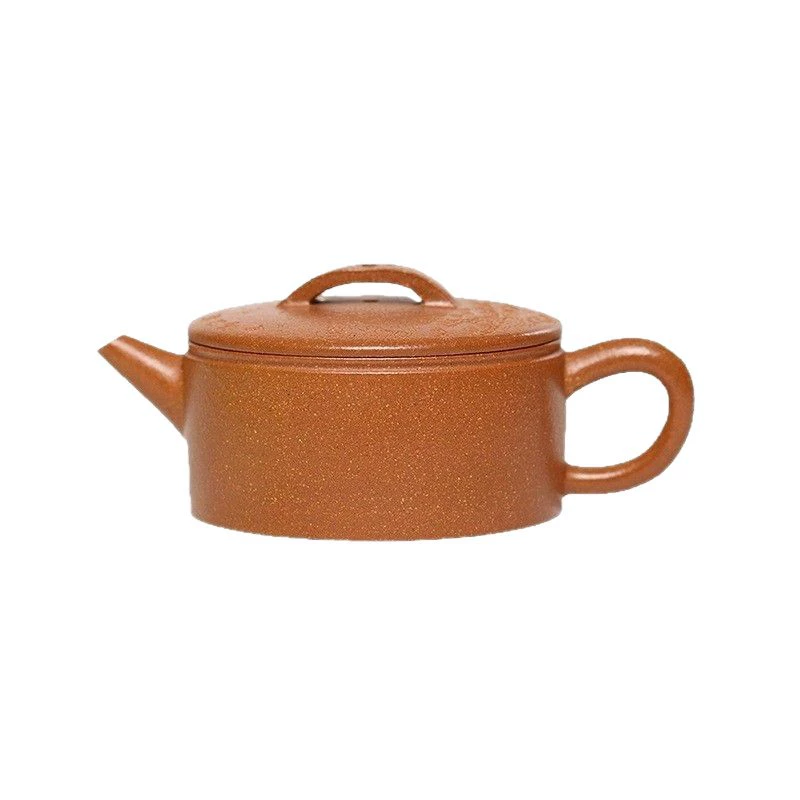
Bian Hanwa Zisha Teapot Semi Handmade Small Capacity Yixing
275.00$ -
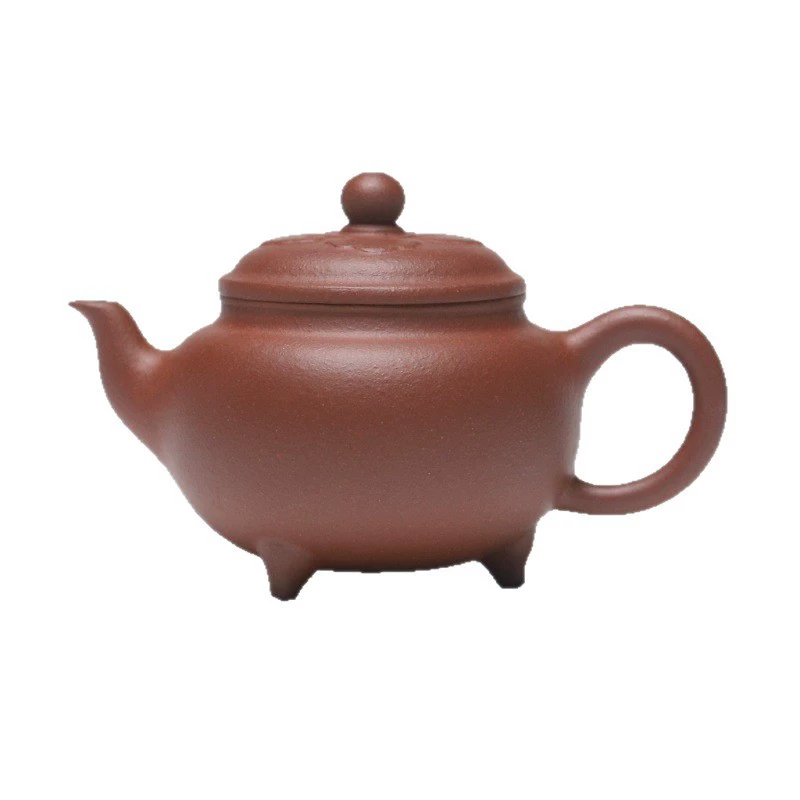
Dabin Ruyi Zisha Teapot Handmade Yixing For Home Use
165.00$ -
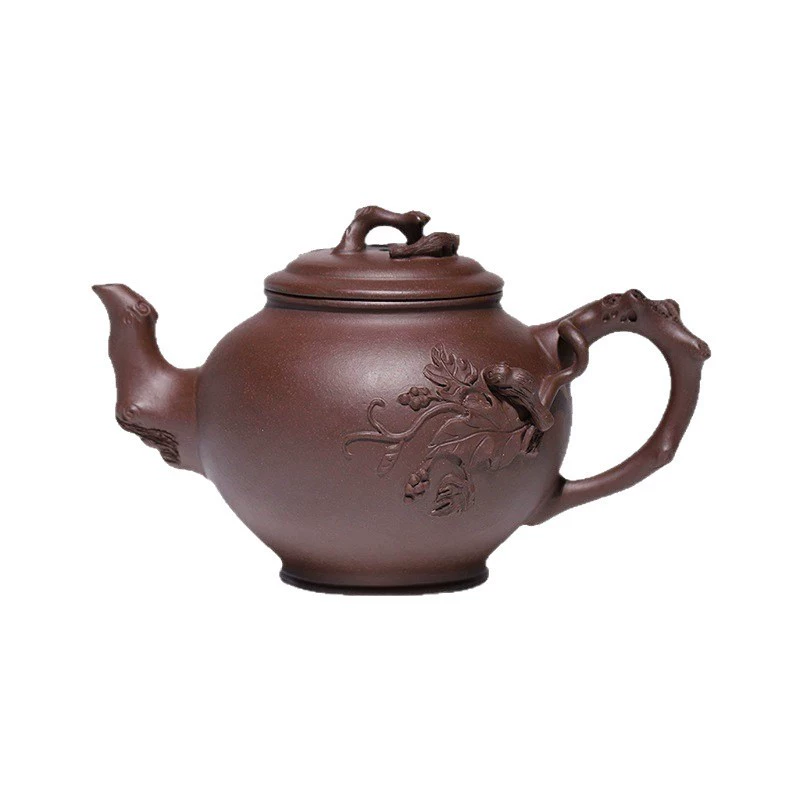
Squirrel Shaped Zisha Teapot Handmade Large Capacity 970ml Yixing
390.00$
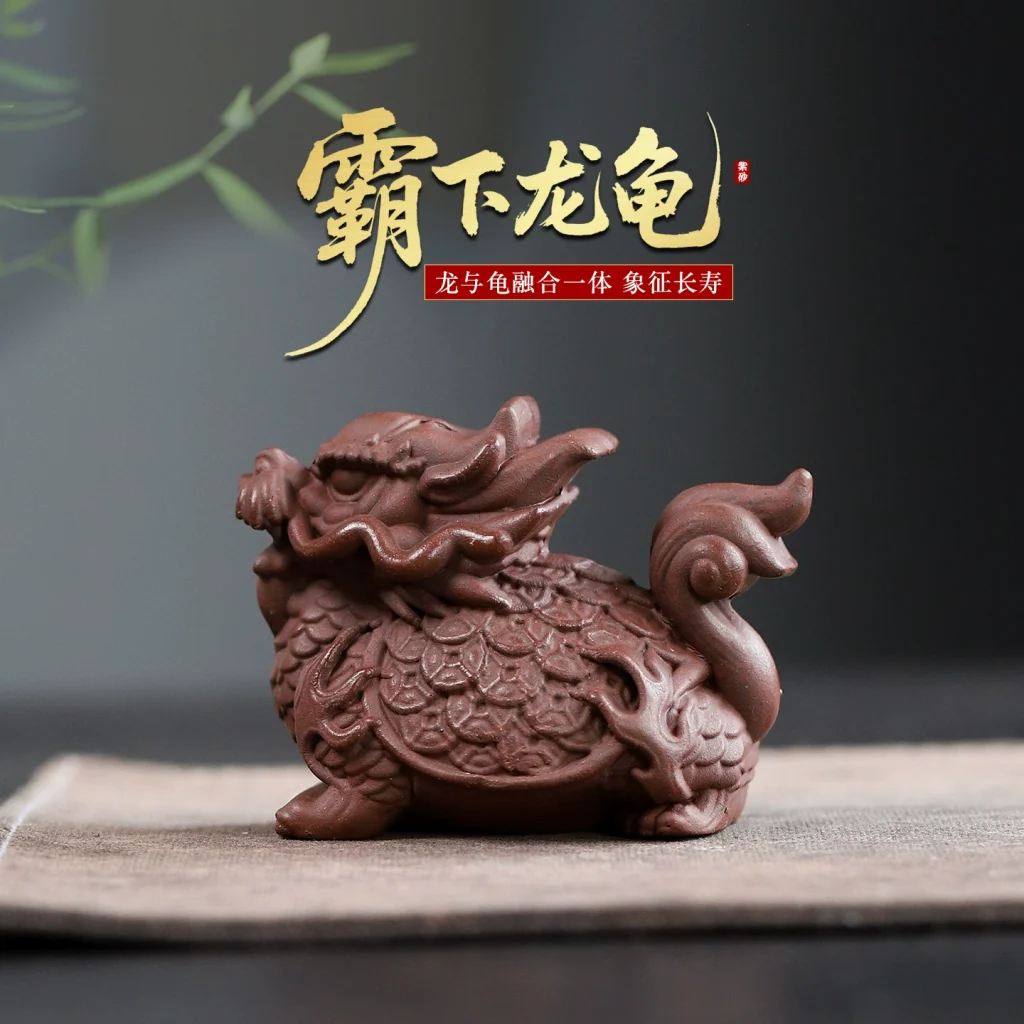
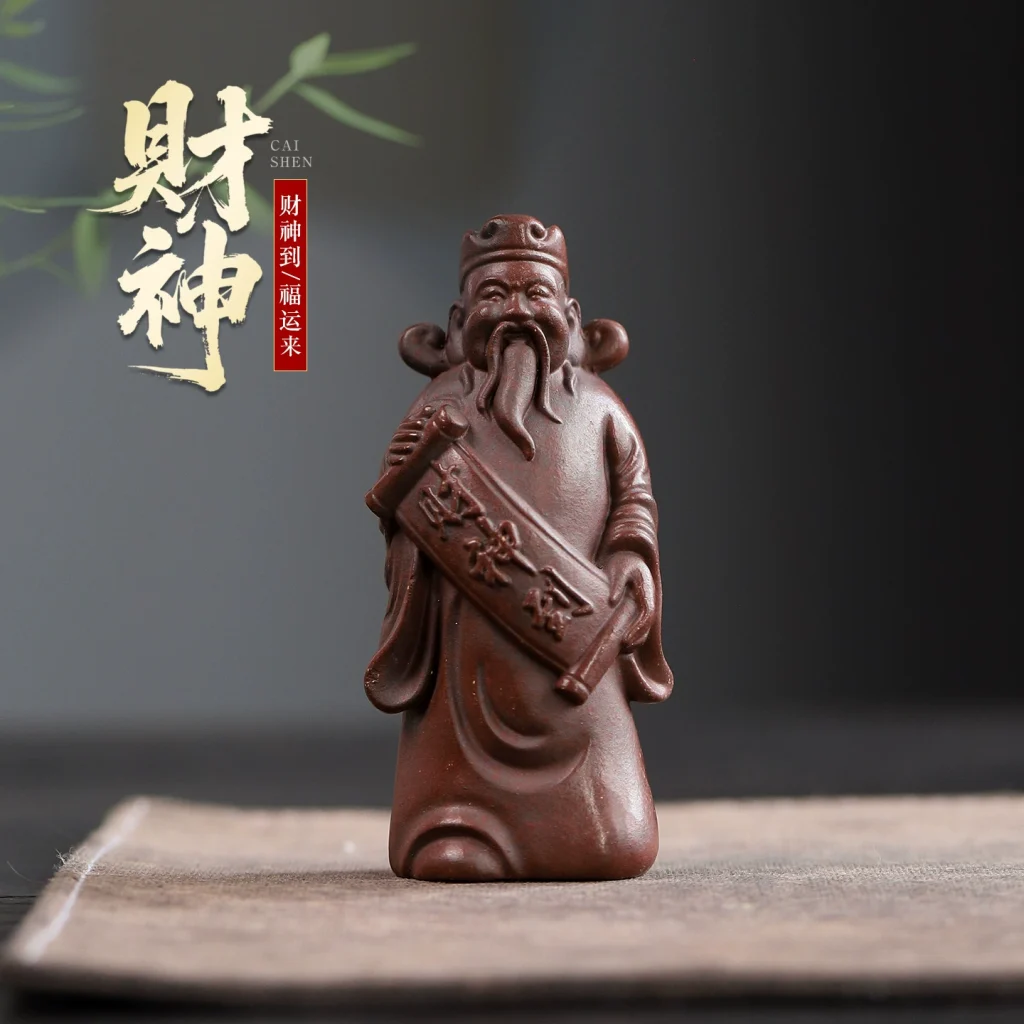
Tea pets bring elegant vitality to your tea table and are wonderful ornaments for traditional Chinese tea ceremony. Handcrafted from authentic Yixing purple clay and fired at high temperature, each tea pet features delicate texture and vivid shape. With continuous nourishment by tea soup and gentle touch over time, it will gradually develop a glossy patina and absorb rich tea aroma. Available in auspicious designs such as pixiu and golden toad, these tiny artworks carry beautiful traditional meanings. Place one on your tea tray to enrich your tea ritual and enjoy the peaceful charm of oriental tea culture.
Premium Yixing Purple Clay Tea pets
View All Tea pets


Reviews
Customer Reviews
The Yixing teapot I ordered exceeded all expectations! Handcrafted with exquisite detail, the purple clay material perfectly enhances the flavor of my black tea. Global shipping was fast and hassle-free, and the packaging ensured it arrived in pristine condition.
ruth polina
sales associate

I am obsessed with my new Taihu Hanwa teapot from jianghu teapot! The 170cc size is ideal for gongfu tea sessions, and the natural mine aged purple clay has already started to develop a beautiful patina. Customer service was responsive, and delivery to the US was quicker than stated. 5 stars!
john wick
retail specialist

The white jade porcelain tea set I purchased is stunning! Each piece is handcrafted with care, and the 11-piece configuration is perfect for both home and office use. The packaging was secure, and it arrived in the UK in just 7 days via express shipping. The quality far surpasses the price. Will definitely be ordering again!
sophia james
studio executive

I was hesitant to order a delicate Yixing teapot online, but Fengyun Teahouse made the process seamless. My Xiaoying teapot arrived in perfect condition, and it brews the most flavorful oolong tea I’ve ever tasted. The product description was accurate, and the customer service team was helpful with all my questions. Great experience!
Liam Alexander
Business Analyst

Reviews
Welcome to our Zisha tea knowledge blog. Many new tea lovers feel confused when choosing Yixing Zisha teapots: how to tell different clay materials apart, how to maintain your new teapot, what teapot shape fits your favorite tea, and common misunderstandings when shopping for handmade Zisha ware. We share practical buying guides, teapot care tips, craft stories and tea‑related articles here. Whether you are a beginner collector or an experienced tea enthusiast, you can find useful advice for your Zisha teapot journey. Explore our articles below to learn more about Chinese Zisha tea culture.
our latest news & blogs
Read More Articles
-
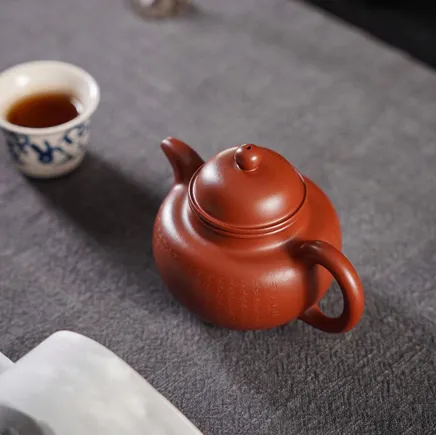
Why does Handmade Yixing Teapot have different wall thickness
If you browse handmade Yixing teapots, you will quickly notice that some pots feel thick and heavy, while others are thin and light. This difference is not just a random choice by the potter. Wall thickness is carefully decided during the hand-building process, shaped by clay characteristics, the teapot’s design and the type of tea…
-
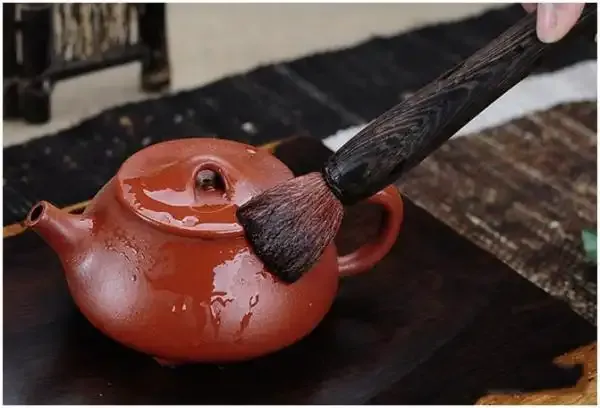
Can you use dish soap to clean a Chinese Zisha Teapot
It is one of the most common questions from new zisha teapot owners: can you use regular dish soap to clean a Chinese Zisha Teapot after brewing tea. The short answer is better not to, even if the soap works great for your glass cups and ceramic mugs. The unique porous nature of zisha clay…
-
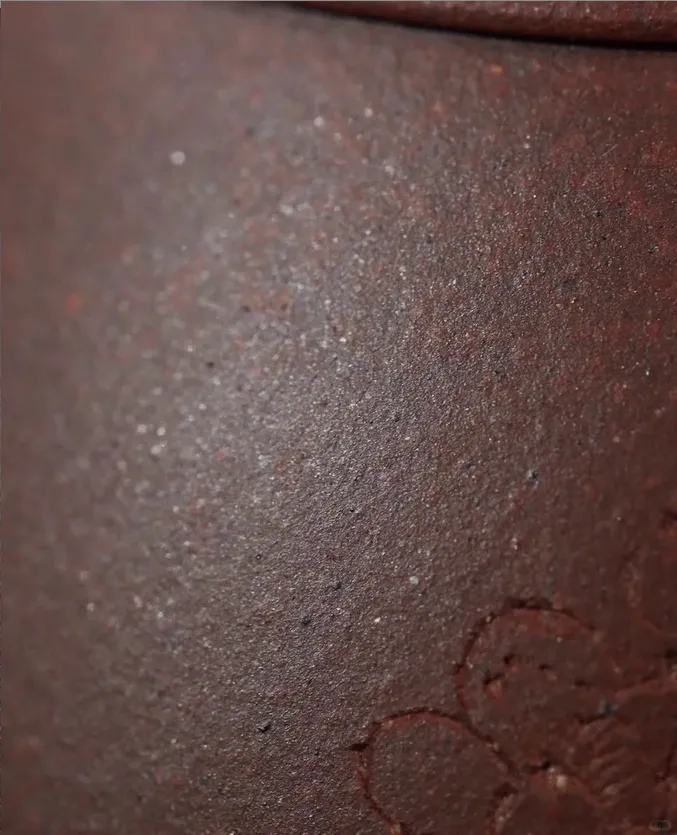
Is it normal for Yixing Zisha Teapot to have tiny black spots
When you first receive a new Yixing Zisha Teapot, you may notice scattered tiny black dots across the clay surface. Many new buyers worry these spots are defects or dirt, but most of them are naturally occurring mineral inclusions inside genuine Zisha ore. Zisha clay forms from weathered sedimentary rock mixed with iron, mica and…
-
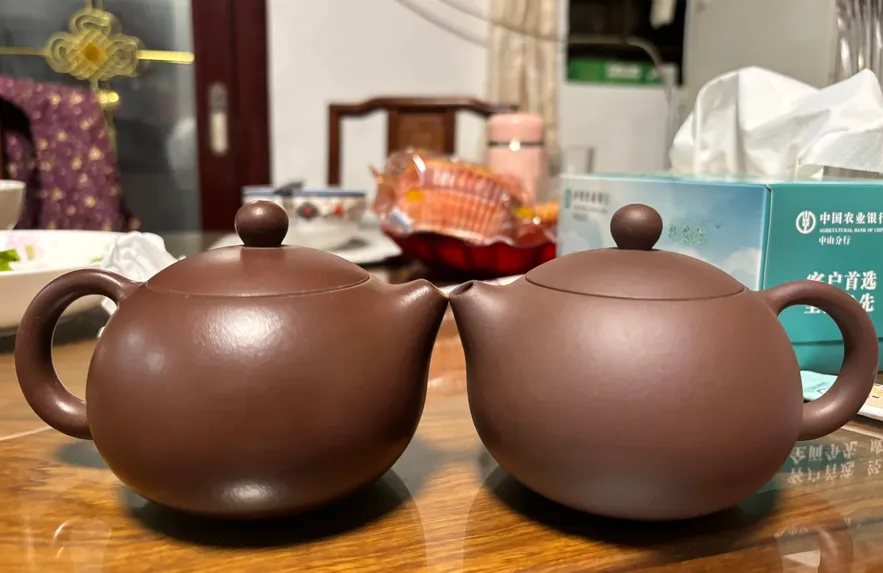
Why does my Chinese Purple Clay Teapot turn darker after use
It is common for new tea users to get surprised when their Yixing Purple Clay Teapot slowly turns deeper and richer in color after repeated use. This change is not a stain, at least not in the bad sense. It is the natural formation of patina, which many Zisha collectors look forward to. Zisha clay…
-
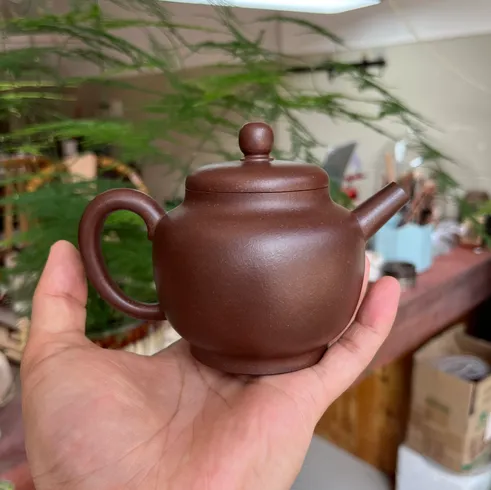
How to tell if a Yixing Zisha Teapot is overfired or underfired
Firing is one of the most critical steps for a Handmade Yixing Teapot. If the temperature is too low or too high, the clay’s structure will be damaged, no matter how beautiful the shape looks. Learning a few easy checks helps you avoid poorly fired pots that will bring trouble later. An underfired teapot did…
-
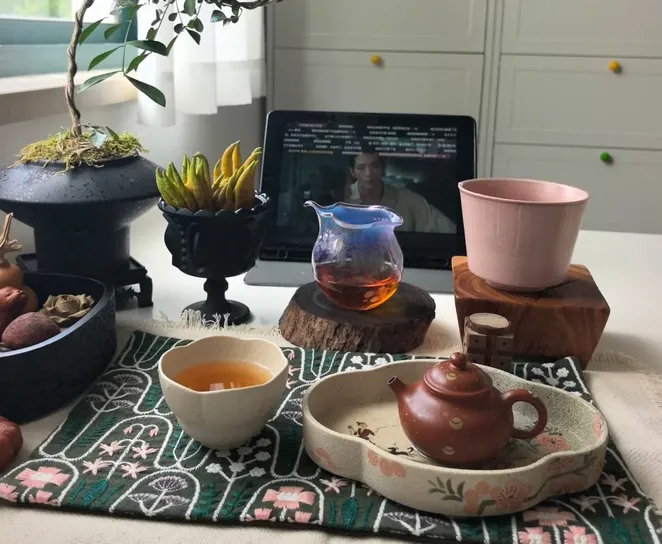
Why some Zini Teapot holds heat longer than others
Zini clay is one of the most beloved materials for Yixing teapots, yet many tea lovers notice that two Zini Teapot can behave very differently when it comes to heat retention. One pot keeps tea hot for a long while, and another cools down quickly even if they look similar at first glance. This difference…
FAQ’s
have any questions for us?
Where are your products manufactured?
All our Yixing purple clay teapots and ceramic tea sets are meticulously handcrafted in their authentic origins—Yixing, Jiangsu Province for Zisha teapots, and Dehua,
Where do you ship your products from?
We ship all orders from our Fuping store or Xi’an warehouse. If stock is not available, items will be shipped directly from our partner manufacturers. The quality remains consistent no matter where the order is dispatched from.
Is free shipping applicable to all your products?
Complimentary global shipping is provided for all orders with a total value exceeding $80.
Do I have to pay customs duties and taxes for customs clearance?
Customs duties are covered by us. Nevertheless, sales tax, VAT or other local taxes may be charged in certain countries, and all such local taxes shall be borne by the buyer.
To which countries do you ship your products?
We ship our Chinese tea ware products to most countries and regions worldwide. If you have any questions about delivery to your specific location, please feel free to contact our customer service team for confirmation.
How long will it take to receive my order after I place it?
Order processing takes 1-3 business days. Orders can be processed normally on Saturdays and Sundays. Please note that order processing will be delayed during Chinese long public holidays, including Chinese New Year, Labour Day and National Day. Delivery times vary by shipping method and destination. Economy Shipping (Sea/Air Mail): 15-35 business days, suitable for non-urgent orders.
Do you accept returns for your products?
Yes, we accept returns within 20 days of delivery for unused products in original packaging, with return shipping covered by us for quality issues and by buyers for change-of-mind returns, while customized and clearance items are non-returnable.
Do you offer cash on delivery (COD)?
No, we currently do not support cash on delivery for any international orders.