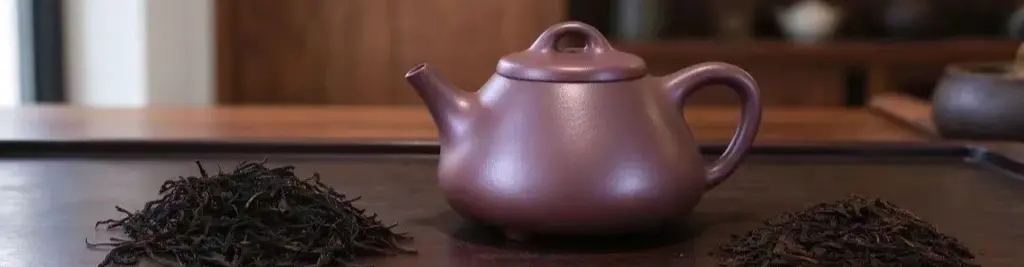
Zini clay is one of the most beloved materials for Yixing teapots, yet many tea lovers notice that two Zini Teapot can behave very differently when it comes to heat retention. One pot keeps tea hot for a long while, and another cools down quickly even if they look similar at first glance. This difference is not random, and it comes from several key factors that potters control during the whole making process.
The first and most important factor is the natural density of the zini ore. Zini clay has a high iron content, and the mineral structure varies from different mining layers. Denser zini clay with finer particles will lock heat better after firing, while loosely structured zini with more visible mineral grains tends to release heat faster. The ore source directly sets the base performance, even before the craftsman starts shaping the pot.
Wall thickness is another obvious factor. Just like other zisha teapots, thick walls slow down heat loss. Potters often make zini pots with slightly thicker walls on purpose because zini clay is famous for supporting high-temperature brewing. A thin-walled zini teapot is made intentionally for teas that cannot stand prolonged high heat, such as light roasted oolong and fragrant tea. Many buyers mistakenly believe all zini teapots must retain heat strongly, which is not true.
Firing temperature also makes a huge difference. When fired at the higher end of its suitable range, zini clay becomes tighter and less porous. This compact structure reduces air flow inside the clay, so heat escapes much slower. If fired at a lower temperature, the clay stays more porous. Air trapped inside the pores works as insulation, but it also lets heat pass out gradually. Overfired zini will become glassy and sealed, which holds heat but loses the breathing feature of zisha clay.
The shape and capacity of the teapot also play a supporting role. Round, short and stout pots preserve heat better than tall, narrow pots. A pot with a small spout and a tight-fitting lid reduces hot air escaping from the opening. Larger capacity teapots naturally stay hot longer than tiny 100ml mini pots, as there is more hot liquid inside to maintain temperature.
When you select a zini teapot, match its heat retention to your tea. Heavy roasted oolong and ripe pu-erh benefit from strong heat preservation. If you mainly brew light fragrant teas, pick a thin-walled zini teapot that cools faster to avoid bitter flavors.