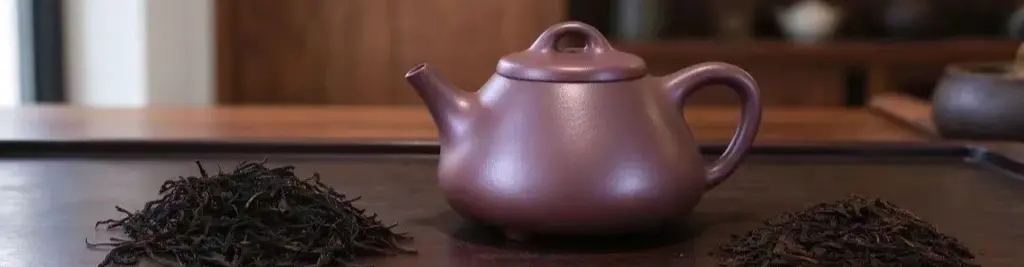
It is quite common for tea enthusiasts to notice white spots forming on their Handmade Yixing Teapot after using it for several months. Many new collectors panic immediately, thinking the teapot is fake or defective. In most cases, these marks are not signs of bad clay, but mineral deposits left by hard water and tea compounds.
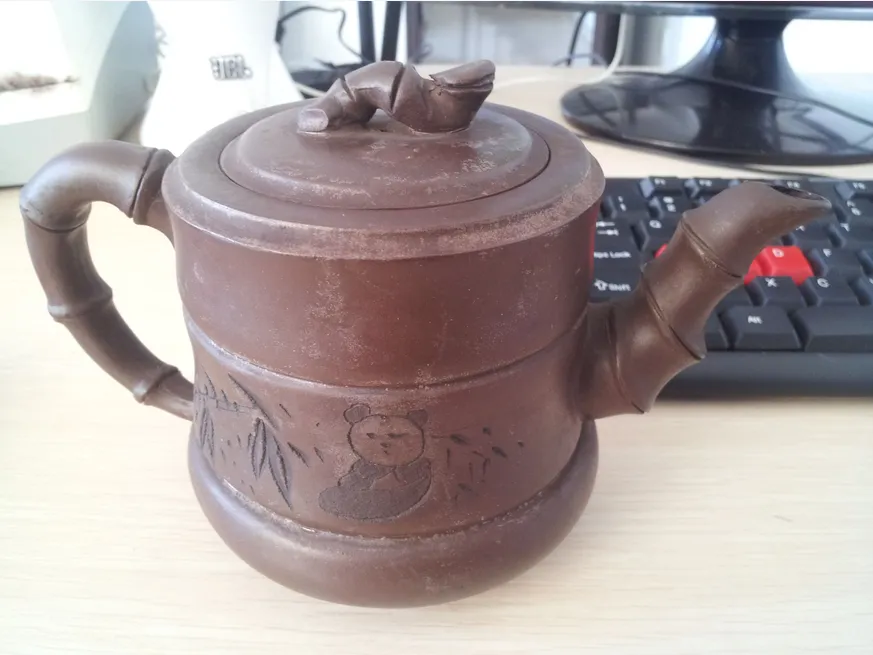
Tap water with high calcium and magnesium content leaves mineral residue when the water evaporates. Over time, these minerals build up and create pale white patches on the porous clay. Another possible reason is dried tea cream, a harmless substance released from tea leaves during brewing. Less commonly, improper drying or trapped moisture can create white mold, which looks fuzzy and needs quick cleaning.
The treatment method depends on what the white spots are. Hard water stains can be gently wiped with a damp soft cloth after the teapot cools down. Do not scrub hard with abrasive sponges, as they will scratch the clay surface and destroy the developing patina. Fuzzy mold spots require thorough rinsing with warm water, then full air drying in a ventilated area.
To prevent white spots from coming back, use filtered water for brewing whenever possible. After each tea session, rinse the teapot and leave it uncovered to dry fully. Avoid letting tea water sit inside the teapot overnight. With consistent care, you can keep your teapot clean while still building a natural, beautiful patina over time.