
Many new collectors spend a lot of time checking the teapot lid before buying, but few understand what a proper fit really requires. A perfectly sealed, zero-gap lid is not always the best choice, and chasing this standard can easily lead you to overlook more important qualities of the teapot.
To test the fit, first place the lid gently on the mouth and twist it lightly. A well-made lid will slide smoothly without obvious shaking or uneven gaps. You can also try the suction test: fill the pot with warm water, cover the spout with your finger and lift the teapot by holding only the lid. If the lid stays attached for a short moment, it shows decent matching, though this test works better for smaller, compact pots.
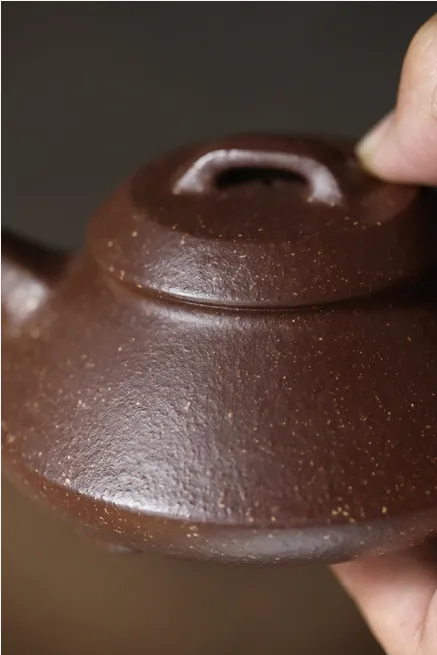
Keep in mind that tiny uniform gaps are normal and functional. They let air flow into the cavity while pouring, preventing the water from dripping or stopping mid-stream. Pots with overly tight lids may leak unexpectedly once the clay expands after repeated hot water use. Avoid pots where one side of the gap is wide and the other narrow, this usually signals uneven trimming during production.
Also, remember that Zisha clay expands slightly with heat. A lid that fits perfectly at room temperature might feel tighter after brewing hot tea. If the gap is too small from the start, the lid could stick and even crack when heated. Prioritize even spacing and smooth movement, instead of blindly hunting for an airtight seal.
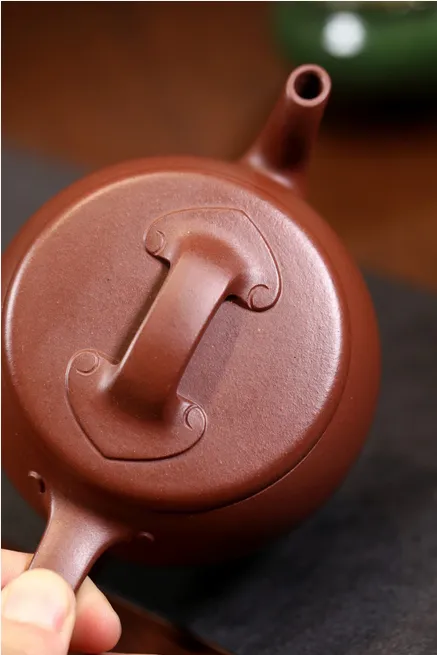
With simple checks like these, you can quickly filter out poorly fitted pieces and pick a reliable teapot that serves you well for years of tea making.