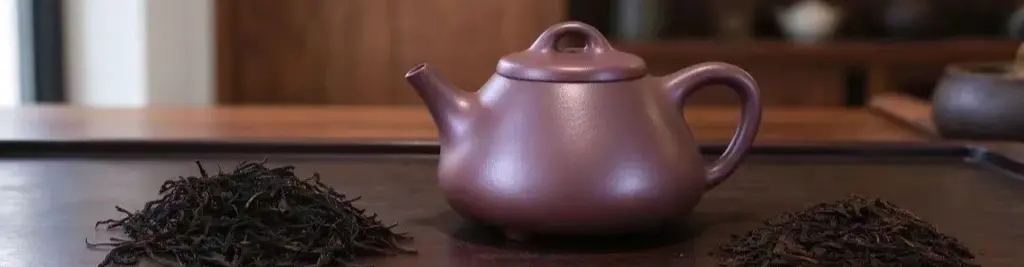
A metallic or earthy bitter taste from a brand new teapot is quite common and usually not a sign of bad fake clay. Many new tea drinkers panic at the first sip and worry they bought a low-quality pot, but most of the time this flavor comes from leftover substances left over during the production process.
During shaping, trimming and firing, fine kiln dust, mineral powder and residual polishing compounds can stick inside the tiny pores of the clay. When hot water hits these particles, they dissolve slightly and bring out that faint metallic tang. It is different from the harsh chemical smell that comes from pots treated with artificial coloring or coating agents.
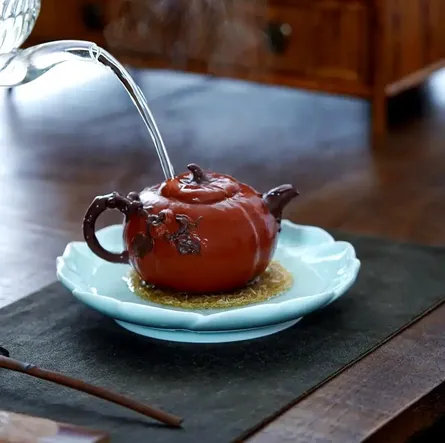
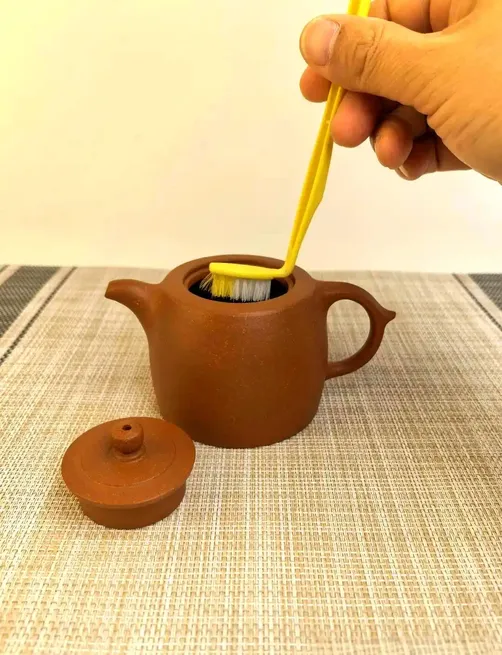
The good news is this temporary taste can be removed with proper opening steps. Start by rinsing the pot thoroughly with warm water, scrubbing gently with a soft tea brush to clear loose dust. Then soak the whole teapot in clean warm water for several hours, and do two or three blank hot water brews, pouring the water away immediately without steeping tea.
You need to watch for red flags. If the metallic taste stays strong after repeated soaking and rinsing, or you notice odd bright color bleeding into the water, the pot may have been chemically processed to look like old ore. Authentic raw clay will lose this strange flavor after a few simple washes, leaving a neutral clean base ready for tea.
Never use dish soap or strong cleaners to speed up the process. Soap residues will get trapped in the porous clay and create another off-flavor that is much harder to get rid of. Be patient with your new pot, and after a few empty rinses, it will be ready to show off the natural sweet notes of your tea.