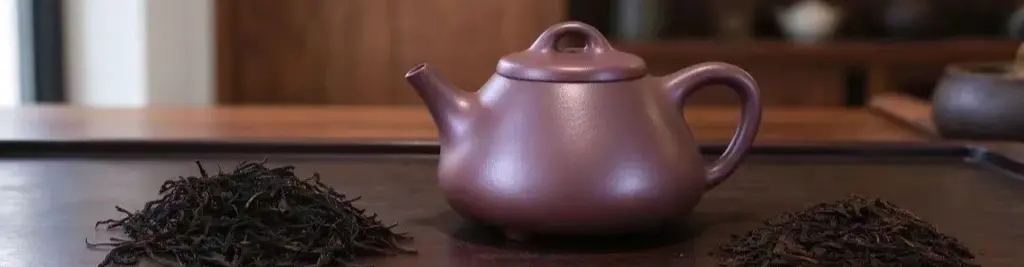
Patina is one of the most attractive features many collectors love on a Zisha Teapot. It is a soft, glowing surface layer that slowly develops after months or years of regular tea brewing. It is not paint, wax or any coating added on top of the clay, and it changes the whole look and feel of the teapot over time.
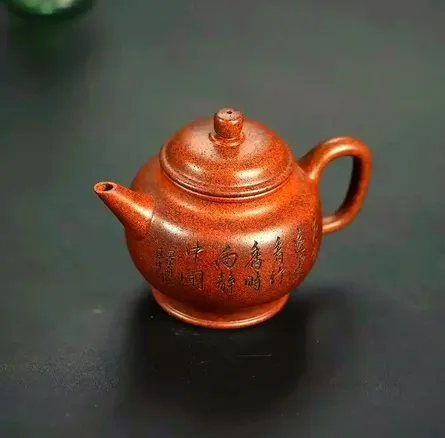
Zisha clay has countless tiny pores. Every time you brew tea, tea oils, tannins and soluble nutrients from the tea liquor seep into these pores. After brewing, you wipe and dry the pot. These tea compounds stay inside the clay and oxidize slowly when exposed to air. Layer by layer, they build up the smooth, warm patina we see.
True natural patina does not appear quickly. It takes consistent, gentle use. A pot used once a week may take a very long time to show visible shine. The colour deepens gradually, and the glow comes from inside the clay instead of sitting only on the surface. Natural patina feels smooth when you touch it, not sticky or greasy.
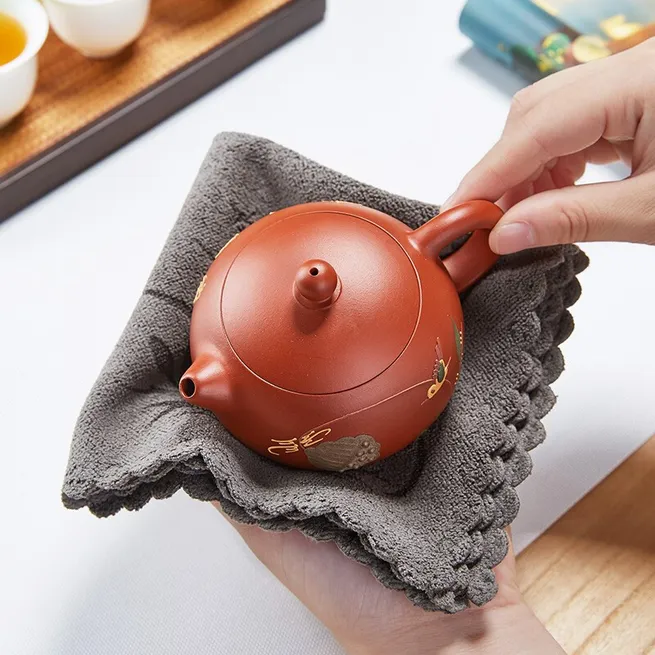
Many sellers try to create fake patina in a short time. They use oil, wax or chemical coatings to make new pots look old and shiny. Fake patina usually looks too bright and uniform. It will feel slippery, and hot water can wash away part of the artificial layer. This fake treatment blocks the clay pores and ruins the teapot’s brewing performance.
The best way to grow authentic patina is simple: use the pot often for one type of tea, rinse it with clean water after each session, wipe it gently with a soft tea cloth, and let it dry fully. Slow, steady care always creates the most beautiful patina on your Zisha Teapot.