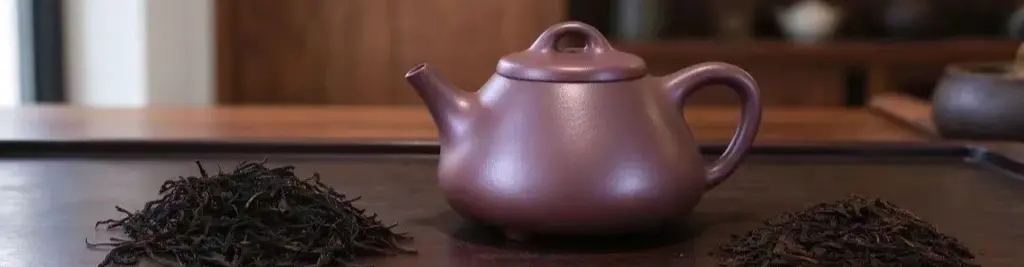
Many new buyers confuse Zisha clay with common pottery clay when shopping for a Yixing Clay Teapot. While both are natural clay materials, their mineral composition and structure set them apart, directly affecting how the teapot performs during brewing.
Zisha contains unique iron oxide and mica particles, forming a dual-pore structure after high-temperature firing. This special porosity lets the clay breathe slowly. It keeps heat steady, absorbs tea oils gradually and develops patina with long-term use. Ordinary pottery clay usually has dense, closed pores or overly loose pores. It cannot hold and release heat in the same balanced way, and it rarely builds a rich patina even after years of brewing.
Firing requirements are another big difference. Authentic Zisha needs precise high firing temperatures. If fired properly, it will not become fully vitrified. Ordinary clay often fires into a glassy, non-porous surface, similar to standard ceramic cups. Such pots cannot improve the tea flavor, and the tea aroma fades quickly inside.
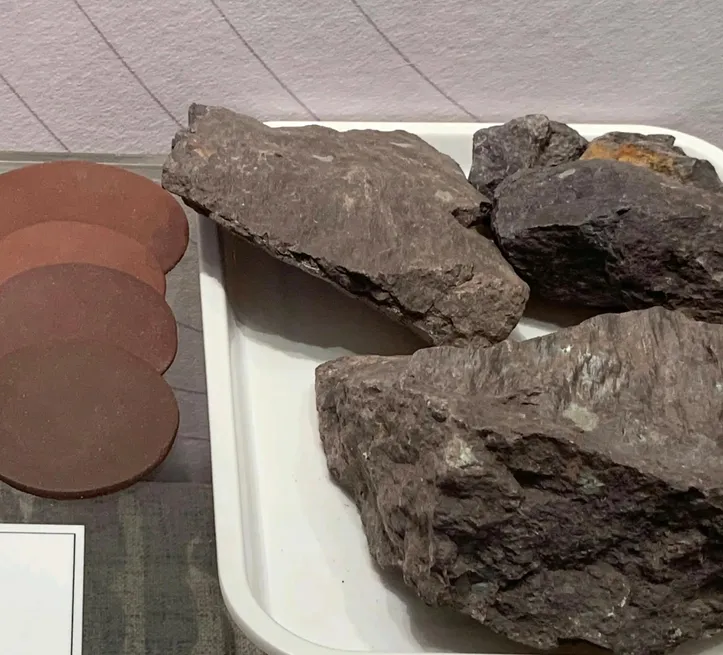
You can also tell from the feel. A genuine Zisha teapot has a subtle grainy texture, not smooth like glazed ceramic. Common clay teapots often feel slippery or chalky. Keep in mind that not all rough clay is Zisha. Many sellers texture cheap clay to mimic the look of real Zisha.
For tea brewing, Zisha softens harsh tannins and locks in fragrance. Ordinary clay teapots work fine for casual drinking, but they will not bring out the layered flavor that tea lovers chase with a quality Chinese Zisha Teapot.