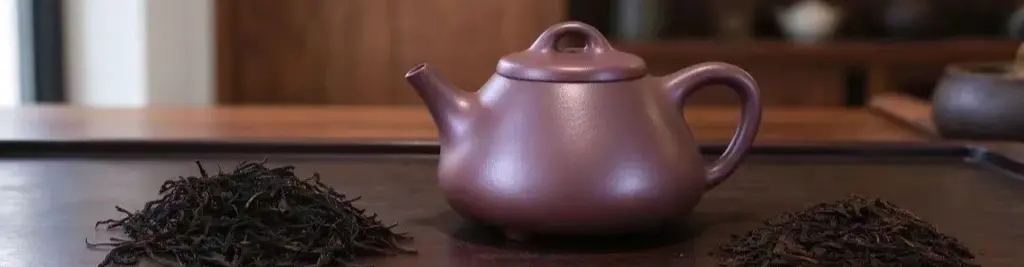
Firing is one of the most critical steps for a Yixing Zisha Teapot. The temperature inside the kiln must stay within a narrow range. If the temperature goes too high or the heating time lasts too long, the clay becomes overfired, and this cannot be reversed. Many new buyers cannot tell the difference just by looking at photos, so knowing these practical checks will help you avoid unsuitable teapots.
First, you can start with visual observation. An overfired teapot often looks unusually glossy, almost glassy on the surface. Natural properly fired zisha clay has a soft, subtle matte texture, while overfired clay loses its original grain and turns shiny and stiff. Sometimes the color will shift unexpectedly, such as purple clay turning dark brown or nearly black, with burnt patches around the bottom or edges where heat concentrates in the kiln. Small blisters or tiny pinholes on the surface are also common signs of overfiring.
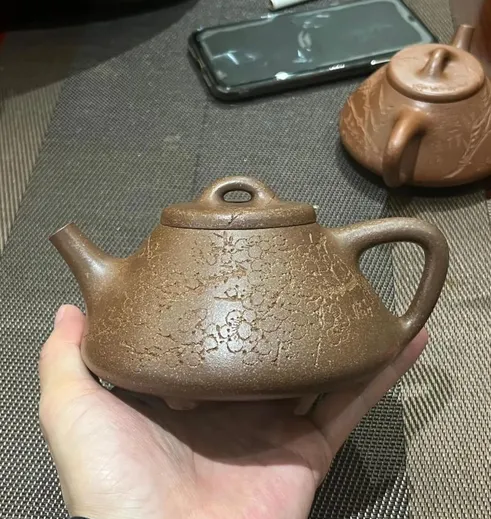
The sound test is another reliable method. Tap the teapot body gently with your finger or a wooden stick. A well-fired Yixing Zisha Teapot makes a clear, slightly deep tone, but an overfired one rings with a sharp, thin, high-pitched sound like porcelain. This happens because excess heat melts part of the clay mineral structure, closing most of the natural pores. Once the pores are sealed, the teapot loses the core advantage of zisha clay. It will no longer absorb tea aroma and improve with seasoning over time.
Overfired teapots also carry hidden risks. The clay becomes more brittle, so sudden temperature changes are much more likely to create cracks. It cannot develop a nice natural patina no matter how carefully you brew tea in it. If you are choosing a teapot for long-term use and patina building, it is best to skip heavily overfired pieces, even if they look smooth and attractive at first glance.